National Dish Tunisia: Farka (Recipe)
In this article
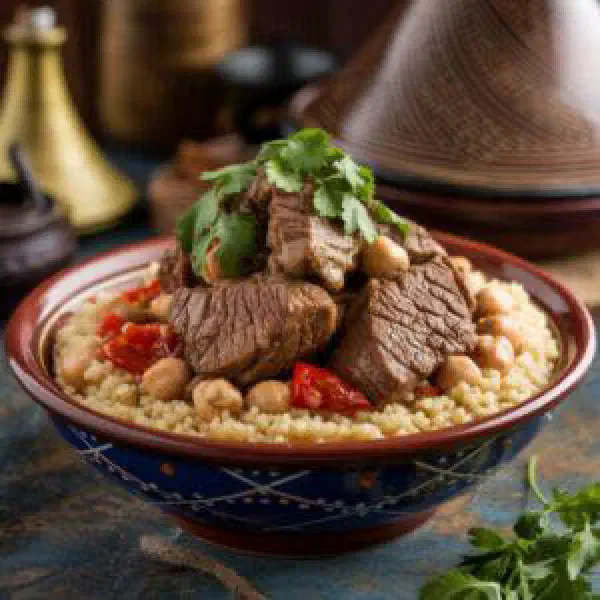
Meet Farka, a warmly spiced Tunisian dish that carries the soul of North Africa on a single plate. Tender lamb or chicken simmers slowly with cumin, paprika and a whisper of cinnamon, then meets a bed of fluffy couscous to soak up every drop of the fragrant sauce. Long a centrepiece at family celebrations, it is just as fitting for a relaxed dinner with friends. Bring the aromas of a Tunisian kitchen straight to your own table.
About Farka
Tunisian cooking is celebrated for its layered flavours and the rich culture woven into every dish, and Farka is one of its finest expressions. This hearty, traditional meal brings together tender lamb or chicken with a generous mix of aromatic spices that give each mouthful a distinctive character. It is often served at family celebrations and special occasions, yet it is equally perfect for a cosy evening meal, a dish that reflects the very essence of North Africa.
Ingredients (serves 1–2)
- 250 g lamb or chicken
- 1 cup couscous
- 2 cups vegetable stock
- 2 onions, diced
- 3–4 garlic cloves, chopped
- 1 tsp cumin
- 2 tsp paprika
- 1 tsp cinnamon
- 2 tbsp olive oil
- Salt and pepper, to taste
Shopping for the ingredients
When shopping for Farka, it is well worth paying attention to the freshness and quality of your produce. Visit a local market to pick up fresh meat and vegetables that guarantee the best flavour, and look out for good-quality spices to bring out the dish’s authentic taste. Many of the ingredients are easy to find in Middle Eastern or Mediterranean grocery shops, much as you would source them for a classic Couscous.
Preparing the dish
Getting the groundwork right is key to a successful Farka. Start by marinating the meat in a mixture of spices and olive oil to deepen the flavours. While the meat is marinating, prepare the onions and garlic by chopping them finely and setting them aside. These small steps shorten the cooking time and help all the ingredients blend together beautifully.
Step-by-step instructions
- Heat the olive oil in a large pot and add the onions and garlic. Sauté until golden brown.
- Add the marinated meat to the pot and brown it lightly all over.
- Pour in the vegetable stock along with the cumin, paprika, cinnamon, salt and pepper. Bring the mixture to the boil.
- Reduce the heat and let it simmer for 30 minutes, until the meat is tender.
- Prepare the couscous according to the packet instructions and serve it alongside the finished meat.
Gluten-free / lactose-free version
Making Farka gluten-free or lactose-free is entirely straightforward. Simply swap regular couscous for a gluten-free couscous or quinoa, and check that all the other ingredients, particularly the spices and stock, are labelled gluten-free. In general, Farka adapts easily to accommodate intolerances without any loss of flavour.
Tips for vegans and vegetarians
There are plenty of ways to adapt Farka for vegans and vegetarians. In place of meat, use vegetables such as courgette, peppers or aubergine, seasoning and browning them well so the flavours intensify. Reach for a plant-based stock instead of a meat-based one, and you will keep the dish’s authentic character intact while making it suitable for every diet.
More tips and tricks
To make Farka even more exciting, try adding dried fruit such as apricots or raisins for a gentle sweetness. Experiment with different spice combinations and adjust the quantities to suit your palate, taking care not to over-season so the natural flavour of the ingredients still shines through. It is also worth preparing the dish a few hours ahead, as the aromas grow more intense and harmonious with time.
Adapting the recipe to your taste
Farka is a wonderfully flexible dish that adapts easily to personal preference. Experiment with different cuts of meat, or even fish, to discover new flavours, and add extra vegetables to boost the nutrients and bring more colour to the plate. Your creativity knows no limits here, and it is exactly this that gives the traditional dish its individual touch.
Ingredient substitutions
There are several substitutions you can make in Farka without compromising the flavour. In place of couscous, other grains such as bulgur or even rice work well, much like the base of a hearty Boulgour. For a spicier note, add chillies or a pinch of cayenne pepper. Remember to adjust the spices to your own taste to turn the dish into a masterpiece of your own.
Drink pairing ideas
The right drink can lift the whole Farka experience. A fresh mint tea or a light, dry white wine both pair beautifully with the flavours of the dish. For an alcohol-free alternative, sparkling water with a splash of lemon juice does the trick nicely.
Serving and presentation ideas
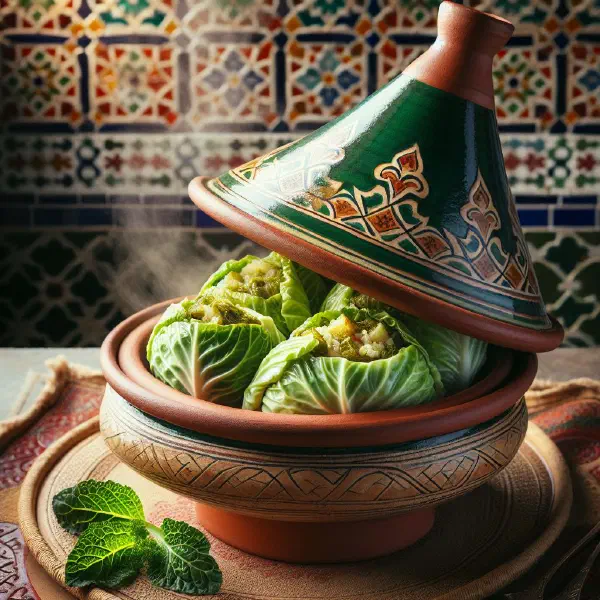
Presentation is key to making Farka look as good as it tastes. Serve it in an attractive Tajine or on a large, shallow platter so the colours of the vegetables come to life. Garnish with fresh herbs such as coriander or parsley for a bright, colourful accent, and consider arranging everything on a bed of vegetables for an appealing visual effect.
A bit of history
Farka has its roots in traditional Tunisian cooking, shaped by a variety of cultures including Arab and Berber influences. Its method of preparation has evolved over the centuries and reflects the hospitality and culinary heritage of the country. Typically made for festivals or special occasions, it tells the story of a nation deeply connected to its food culture. Each dish a declaration of identity and tradition, passed down from one generation to the next as part of the wider world of Tunisian cuisine.
More recipe ideas
Summary: Farka
In short, Farka is a traditional Tunisian dish that appeals to with its tender ingredients and warmly spiced aromas. Its significance reaches far beyond the plate, reflecting the cultural identity of Tunisia itself. With the right preparation and a few personal tweaks, you can bring the flavours of this fascinating cuisine into your own kitchen. Give the recipe a try and let its delicious, varied flavours work their magic.