National Dish Tunisia: Maâkouda (Recipe)
In this article
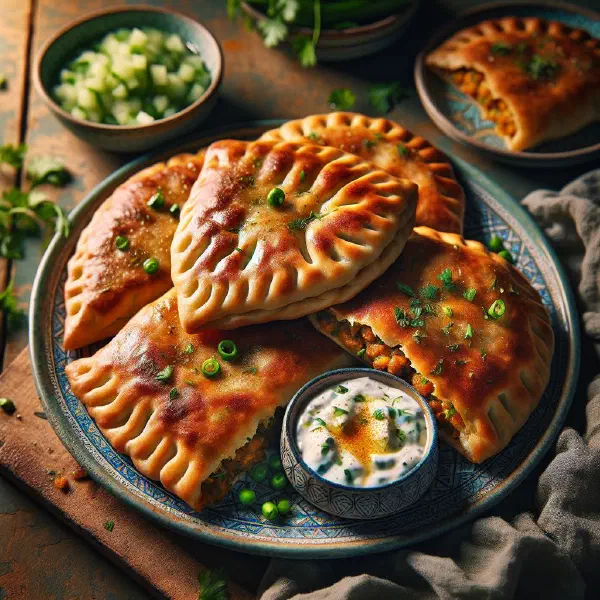
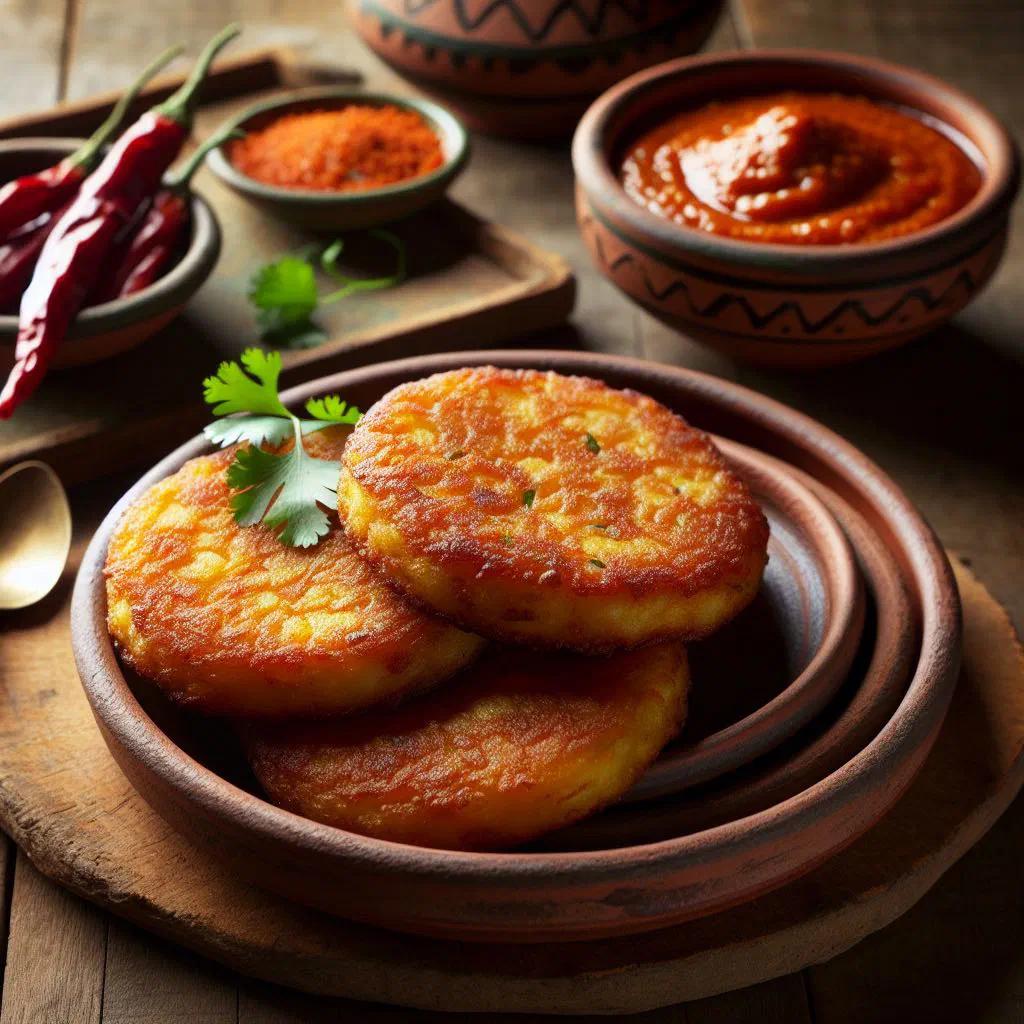
Say hello to Maâkouda, Tunisia’s much-loved potato and chickpea fritters. Crisp and golden on the outside, soft and satisfying within, these savoury little cakes are the sort of thing you find sizzling away at street stalls and family tables alike. Fragrant with cumin and paprika, they make a brilliant snack, side or light main, and offer a delicious first step into the warm, spice-laden world of North African cooking.
About Maâkouda
Maâkouda is a traditional Tunisian dish celebrated for its distinctive aroma and comforting, savoury character. The spiced potato and chickpea fritters are often served as a snack or a side, and their crisp bite makes them a real treat. Beyond being a pleasure to eat, they are a wonderful way to get to know the flavours of North African cuisine. The pairing of potatoes and chickpeas makes the dish particularly nourishing and filling, so a small plate goes a surprisingly long way.
Ingredients (serves 1–2)
- 300g potatoes
- 100g chickpeas (cooked)
- 1 onion
- 2 cloves of garlic
- 1 teaspoon cumin
- 1 teaspoon paprika
- 1 pinch of cayenne pepper
- Salt and pepper to taste
- Flour, for coating
- Oil, for frying
Shopping for the ingredients
When choosing the ingredients for Maâkouda, it is worth putting the emphasis on fresh, good-quality produce. Pay particular attention to the potatoes, as they form the main base of the dish. Chickpeas are often sold tinned, though fresh or dried versions work just as well. The spices are easy to find in any grocery shop or at a local market, and they are what give these fritters their unmistakable flavour.
Preparing the dish
Before you start on the Maâkouda, it helps to get all the ingredients properly prepped. The potatoes should be peeled and boiled until soft before you mash them. Chop the onion and garlic finely so they release their aromas fully into the mix. If you are using the tinned variety of chickpeas, take care to drain them well so the mixture does not turn out too wet.
Step-by-step instructions
- Cook the potatoes in a pan until soft, then leave them to cool.
- Mash the cooked potatoes in a bowl and combine with the chickpeas, onion, garlic and spices.
- Mix everything well and shape the mixture into small fritters.
- Heat the oil in a pan and fry the fritters until golden brown and crisp.
- Drain the finished fritters on kitchen paper to remove any excess oil.
Gluten-free / lactose-free version
Maâkouda is naturally gluten-free, as long as you avoid using flour that contains gluten. Instead, you can reach for rice flour or cornflour as an alternative for coating. The dish is also perfectly suited to a lactose-free diet, since it contains no dairy at all. Feel free to experiment with different flours to keep the texture consistent while catering to any intolerances.
Tips for vegans and vegetarians
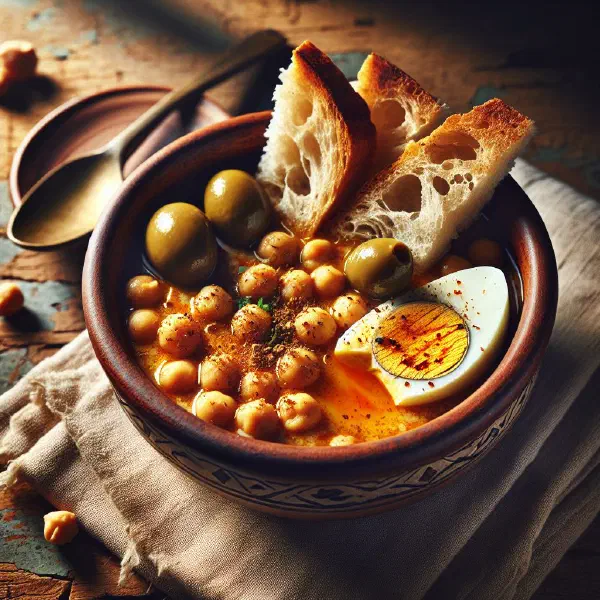
Maâkouda is already a vegan dish, as it is made entirely from plant-based ingredients. To make it even more varied, you can work in extra vegetables such as spinach or carrots. This adds colour and boosts the nutritional value. Serve the fritters with a tasty vegan dip, hummus or a yoghurt alternative, for instance, to round off the whole experience. For more chickpea-forward inspiration, try a bowl of Lablabi.
More tips and tricks
Prepping the ingredients in advance can make putting together your Maâkouda far easier. You can boil the potatoes and chickpeas the day before and keep the mixture in the fridge. This saves time, especially when cooking larger batches for celebrations or gatherings. Take care not to fry the fritters for too long, so they do not turn tough. They should be a lovely golden brown, but not too dark.
Adapting the recipe to your taste
Maâkouda is easily adapted to suit different preferences by varying the spices you add. Experiment with coriander, parsley or mint to give the flavour a personal touch. You can also swap in other pulses for a bit of variety. If you like things hotter, simply increase the amount of cayenne pepper or add some fresh chilli, much like the fiery kick of a spoonful of Harissa.
Ingredient substitutions
If you do not have chickpeas to hand, you can replace them with other pulses such as black beans or red lentils. Sweet potatoes also make a tasty stand-in for ordinary potatoes and lend the Maâkouda a sweeter note. For a gluten-free version, remember to swap the flour accordingly. Adjustments like these let you shape the recipe entirely around your own needs.
Drink pairing ideas
Refreshing drinks such as a homemade mint tea or an ice-cold hibiscus tea go beautifully with Maâkouda. These pairings harmonise perfectly with the fritters’ spicy notes and offer a gentle, cooling contrast. For an alcohol-free option, a fruit smoothie makes a delicious accompaniment. If you prefer wine, choose a light, fruity white that complements the flavours of the dish.
Serving and presentation ideas
An appealing presentation can lift the enjoyment of your Maâkouda considerably. Serve the fritters on a colourful plate, garnished with fresh herbs and lemon wedges. A small bowl of yoghurt or hummus dip alongside makes the arrangement even more inviting. Experiment with different colours and textures to create a dish that looks as good as it tastes, perhaps next to a smoky Mechouia.
A bit of history
Maâkouda has its roots in the rich cultural traditions of Tunisia, where simple yet flavourful ingredients are held in high regard. The pairing of potatoes and chickpeas grew out of the practical need to make nourishing, filling meals from humble means. The dish is often served at festivals and social gatherings, and has become something of a symbol of Tunisian hospitality. The name “Maâkouda” also means “little cake”, a nod to the shape of these delicious fritters, which sit comfortably within the wider world of Tunisian cuisine.
More recipe ideas
Summary: Maâkouda
Maâkouda is a simple, delicious dish that offers endless scope for adaptation. With fresh ingredients and a good measure of spice, it develops a wonderful depth of flavour. This Tunisian speciality is sure to win people over. Take your time preparing it and enjoy a taste of North Africa in your very own kitchen.