National Dish Tunisia: Makroud Louz (Recipe)
In this article
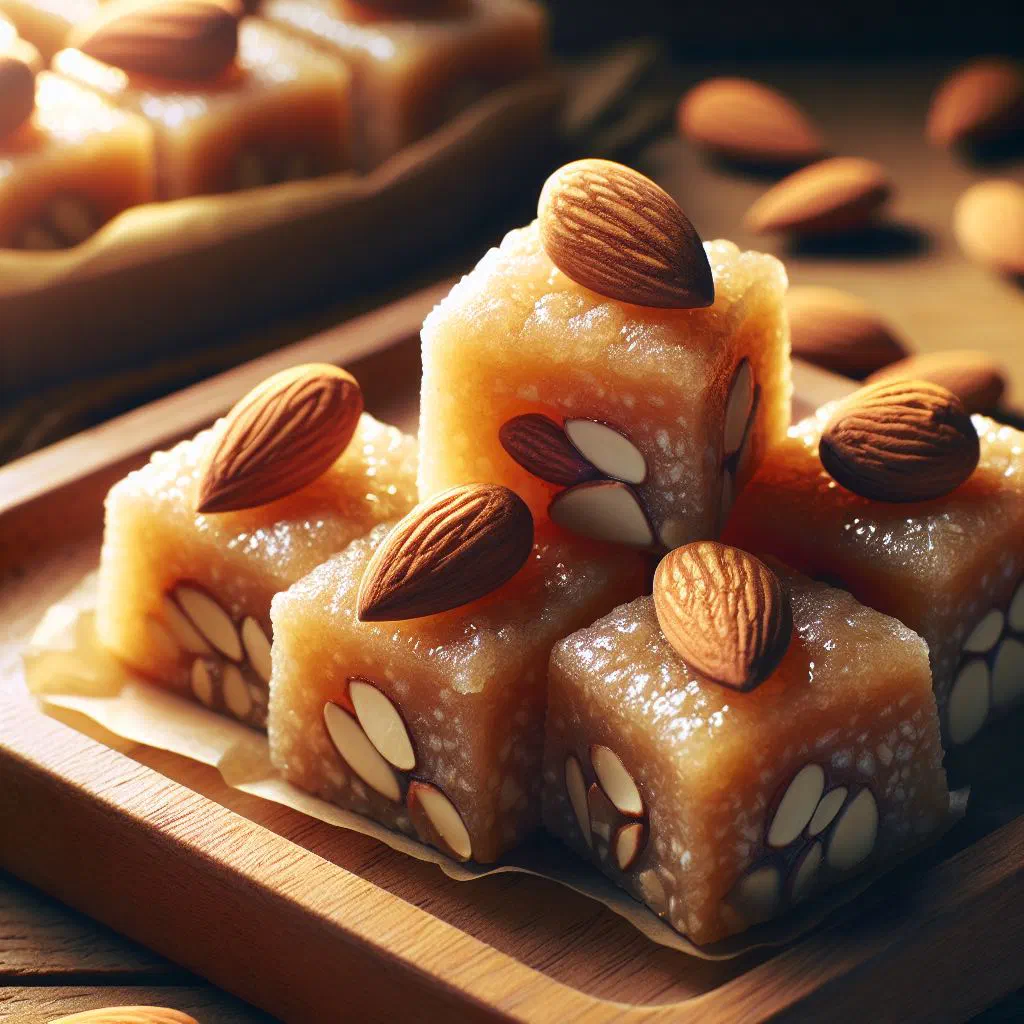
Treat yourself to Makroud Louz, one of Tunisia’s most beloved sweets. These little almond-and-semolina bites are dipped in a fragrant sugar syrup that gives every mouthful a glossy shine and plenty of flavour. Perfumed with orange blossom water, they are the kind of treat that graces festive tables and quiet afternoons alike. Bring a taste of North African hospitality straight into your own kitchen.
About Makroud Louz
Makroud Louz is a traditional Tunisian dessert built around a wonderful pairing of ground almonds and semolina. It is a pleasure on the palate and a real showpiece on any table. The refreshing syrup glaze ensures that every bite is a true taste sensation. Ideal for special occasions or simply as a sweet snack in between, Makroud Louz is a genuine treat, a small, jewel-like example of the sweets that shine across Tunisian cuisine.
Ingredients (serves 1–2)
- 200 g semolina
- 100 g ground almonds
- 80 g sugar
- 100 ml water
- 50 ml orange blossom water
- 1 tsp baking powder
- 1 pinch of salt
- Oil, for frying
Shopping for the ingredients
Before you start making Makroud Louz, make sure you have all the necessary ingredients to hand in your kitchen. Most of them are available in well-stocked supermarkets or North African and Middle Eastern grocers. Take care to choose good-quality ground almonds, as they have a considerable influence on the flavour of the dessert. Fresh orange blossom water, too, gives Makroud Louz its unmistakable scent and taste.
Preparing the dish
To make Makroud Louz, begin by preparing the semolina and the ground almonds. These should be mixed together thoroughly to achieve an even texture. Make sure, too, that you prepare the sugar mixture with water and orange blossom water in good time so it can develop properly. The fresher the ingredients, the better the end result, a little preparation can make all the difference here.
Step-by-step instructions
- Combine the semolina, ground almonds, sugar, baking powder and salt in a large bowl.
- Add the water and orange blossom water, then mix everything well until you have a pliable dough.
- Leave the mixture to rest for about 30 minutes so the ingredients can settle.
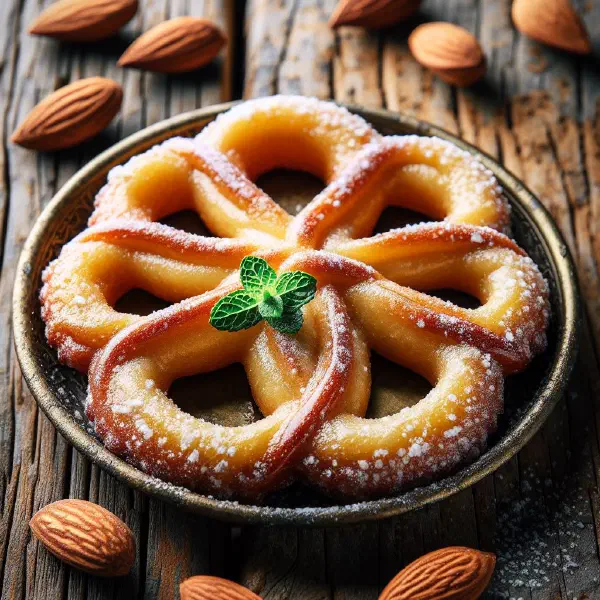
- Break off small portions and shape them into diamonds or squares.
- Heat the oil in a pan and fry the shaped pieces until golden brown.
- Meanwhile, prepare the sugar syrup by heating sugar and water until the sugar has fully dissolved.
- Once the Makroud Louz are fried, turn them briefly in the sugar syrup and leave to drain on kitchen paper.
Gluten-free / lactose-free version
Makroud Louz is naturally low in gluten, which makes it a great dessert choice, and it can easily be made fully gluten-free by using a certified gluten-free semolina alternative. A lactose-free version is just as simple, since the recipe calls for no dairy at all. No additional milk products are needed for the preparation. That way, anyone who has to avoid gluten or lactose can still enjoy this delicious sweet.
Tips for vegans and vegetarians
Makroud Louz is easily adapted for vegans, since it contains no eggs, none are required in this recipe. Instead, the dough is bound simply by the combination of semolina and almonds. Just make sure to use plant-based options when preparing the sugar syrup. This way, vegans too can enjoy the enchanting aroma and flavour of Makroud Louz.
More tips and tricks
For the best result, pay close attention to the quality of your ingredients. Fresh orange blossom water and good almonds boost the flavour enormously. Another important tip is not to fry the Makroud Louz for too long, or they will turn dry and hard. Keep a close eye on them and pull them out as soon as they are golden brown to guarantee a perfect dessert.
Adapting the recipe to your taste
The recipe for Makroud Louz is easy to tailor to your own preferences. You might, for instance, add different nuts such as pistachios or walnuts to vary the flavour. The sweetness can also be adjusted by using more or less sugar. Experiment with aromas such as cinnamon or vanilla to create your own personal version.
Ingredient substitutions
If you do not have semolina to hand, you can replace it with a mix of oat flour or rice flour to achieve a similar texture. For a lower-sugar version, you can also use agave syrup or maple syrup in place of the sugar. Don’t be afraid to get creative and experiment with the ingredients to make your own unique Makroud Louz, much like the endless variations on Makroud and its date-filled cousin, Makroud Aux Dattes.
Drink pairing ideas
Several drinks pair especially well with Makroud Louz. A warm mint tea is the traditional choice, complementing the sweet notes of the dessert perfectly. Alternatively, you could serve a fruity hibiscus tea or an Arabic coffee for a harmonious flavour experience.
Serving and presentation ideas
Presentation can lift the enjoyment of Makroud Louz considerably. Serve the fried sweets on a lovely platter and drizzle a little extra sugar syrup over the top. Garnish with a few chopped nuts or a dusting of icing sugar to boost their visual appeal. A pretty napkin and a spread of other treats alongside can decorate the table beautifully and make the dessert an absolute highlight.
A bit of history
Makroud Louz has its roots in Tunisian culture and is often prepared for festive occasions and holidays. There are various regional variations of this dessert, which underlines its versatility and popularity. Traditionally it embodies North African hospitality, as it is frequently shared among family and friends. This sweet treat has managed to gain a foothold both in Tunisia and in other parts of the world.
More recipe ideas
Summary: Makroud Louz
Makroud Louz is a distinctive traditional Tunisian dessert that wins hearts with its combination of almonds and semolina. Whether for festive occasions or simply as a sweet indulgence, this treat has both charm and flavour. With a handful of simple ingredients and a little preparation time, you can bring a piece of North African culture into your own kitchen. Give it a try and let the delicious aromas work their magic.