National Dish Tunisia: Osban (Recipe)
In this article
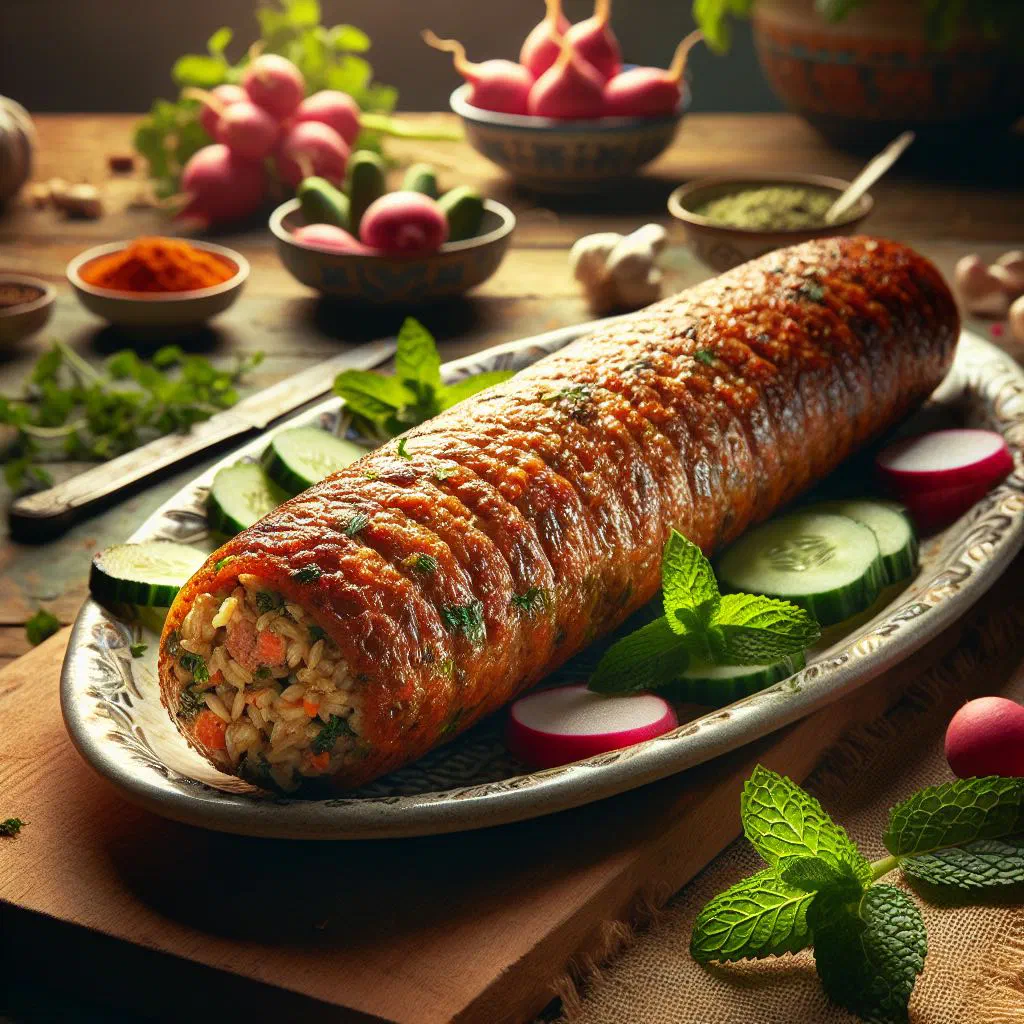
Meet Osban, a proudly traditional Tunisian dish that gathers the bold flavours of North Africa into a single hearty parcel. A savoury filling of spiced lamb or beef mince and rice is packed into cleaned sheep’s stomachs, then gently simmered until tender and aromatic. Finished with fresh herbs and a fiery sauce, it is the kind of celebratory food that turns weddings and family gatherings into occasions to remember. Bring a taste of Tunisia’s festive table straight into your own kitchen.
About Osban
Osban is a traditional Tunisian dish that brings together a wealth of North African flavours in one memorable plate. At its heart is a delicious filling of lamb or beef mince cooked with rice and a distinctive blend of spices. What sets the dish apart is the way it is prepared inside sheep’s stomachs, which lends it a wonderfully characteristic flavour. It is usually served with fresh herbs and a spicy sauce, making it a firm favourite at celebrations and family get-togethers.
Ingredients (serves 1–2)
- 250 g lamb or beef mince
- 100 g rice, uncooked
- 2 sheep’s stomachs
- 1 onion, finely chopped
- 2 cloves garlic, crushed
- 1 tsp cumin
- 1 tsp paprika
- Salt and pepper, to taste
- Fresh herbs (parsley or coriander)
- 1 spicy sauce of your choice
Shopping for the ingredients
There are a few things worth keeping in mind when shopping for osban. First, make sure the meat is fresh and of good quality. In some places you may even be able to buy locally reared meat directly, which noticeably improves the flavour. The sheep’s stomachs are not always available in every supermarket, so it is well worth asking at a specialist butcher or a Middle Eastern grocery where such cuts are more commonly stocked.
Preparing the dish
The preparation for osban is straightforward but does take a little time. Start by cleaning the sheep’s stomachs thoroughly. Then mix the meat, rice and spices together well to create the perfect filling. The freshness of the herbs is key to giving the dish its aromatic lift, so add them only just before you begin cooking to keep their flavour bright.
Step-by-step instructions
- Clean the sheep’s stomachs thoroughly and blanch them to sanitise.
- In a bowl, mix the mince, rice, onion, garlic and spices together well.
- Spoon the mixture into the sheep’s stomachs and seal them securely.
- Cook the filled stomachs in a large pot of water.
- After 1.5 to 2 hours, depending on their size, they are ready.
- Serve the osban hot, garnished with fresh herbs and a spicy sauce.
Gluten-free / lactose-free version
Osban is simple to prepare and naturally gluten-free and lactose-free. Use fresh ingredients and make sure that all your spices and sauces are free from gluten too. Choosing rice rather than wheat flour keeps the dish suitable for anyone with a gluten intolerance. Enjoy osban without a second thought, all while keeping it every bit as flavourful.
Tips for vegans and vegetarians
Although osban is traditionally made with meat, there are ways to create vegan and vegetarian alternatives. Instead of mince you can use finely chopped mushrooms, tofu or even pulses to achieve a similar texture. Combine these alternatives with the same rice and spices for a tasty substitute. The sheep’s stomachs, meanwhile, can be swapped for large vegetable leaves or edible rice paper to keep the dish entirely animal-friendly.
More tips and tricks
When you make osban, a few tips and tricks can lift the final result. Experiment with different spices such as cinnamon or cloves to introduce new layers of flavour. Cooking the parcels in a steamer rather than in water can also give a more intense taste. Take care not to overfill the stomachs, so the mixture spreads evenly and cooks through perfectly.
Adapting the recipe to your taste
The recipe for osban is easy to adapt to your own preferences. If you like it hotter, simply add more chilli powder or a few fresh chillies. For a milder version, hold back on the spices as much as you like. You can also vary the type of meat you use to create different flavour experiences. Give your creativity free rein and craft your own perfect blend, much as you might when making a hearty Kamounia.
Ingredient substitutions
If certain ingredients for osban are not to hand, there are plenty of alternatives. In place of lamb or beef mince you can use turkey or chicken mince. Rice can be swapped for quinoa or other grains that pair just as happily with the spices, the same versatile base that carries a good Couscous. The possibilities are endless. Just make sure your substitutes also suit the other flavours of the dish, so the overall result stays harmonious.
Drink pairing ideas
A variety of drinks pair beautifully with osban. A clear mint tea is especially popular, complementing the spices and offering a refreshing lift to the meal. Alternatively, light wines or a refreshing fruit smoothie can also work very well. Take care that whatever you choose does not overpower the spices and richness of the dish.
Serving and presentation ideas
When it comes to presenting osban, there is plenty of room to be creative. Serve it on a large platter to build a festive buffet spread. Garnish the filled parcels with fresh herbs and a squeeze of lemon juice for a lovely contrast of colour. For an extra treat, set out small bowls of different sauces so everyone can season to their own liking, much as you would alongside a fresh Salade Tunisienne.
A bit of history
Osban has a fascinating history closely bound up with Tunisian culture. The dish is often prepared for weddings and festivals and is a symbol of hospitality. Historically it reflects the influences of Arab, Berber and French cooking. Each recipe can also differ from region to region, giving the dish a unique character and a welcome sense of variety, a hallmark of Tunisian cuisine.
More recipe ideas
Summary: Osban
All in all, Osban is a unique and flavourful dish that captures the tastes of Tunisia and North Africa. The combination of stuffed mince, rice and aromatic spices makes it a special treat at celebrations and family gatherings. The recipe is easy to adapt and expand to suit different tastes. Enjoy osban and immerse yourself in the rich culture of Tunisia.