National Dish Tunisia: Tajine El Bey (Recipe)
In this article
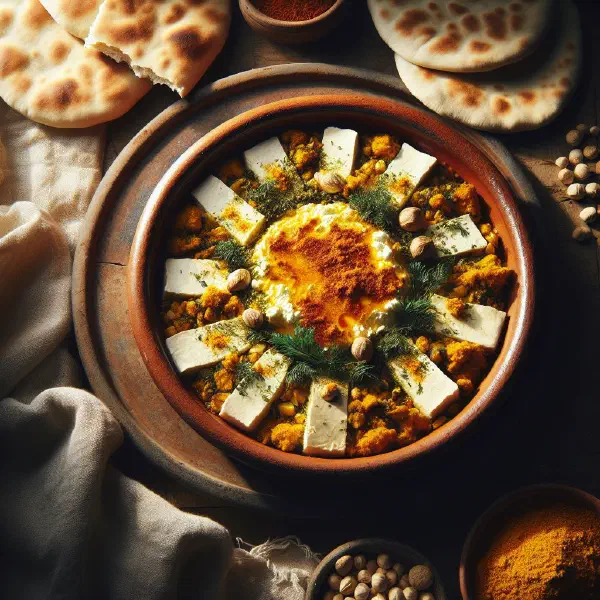
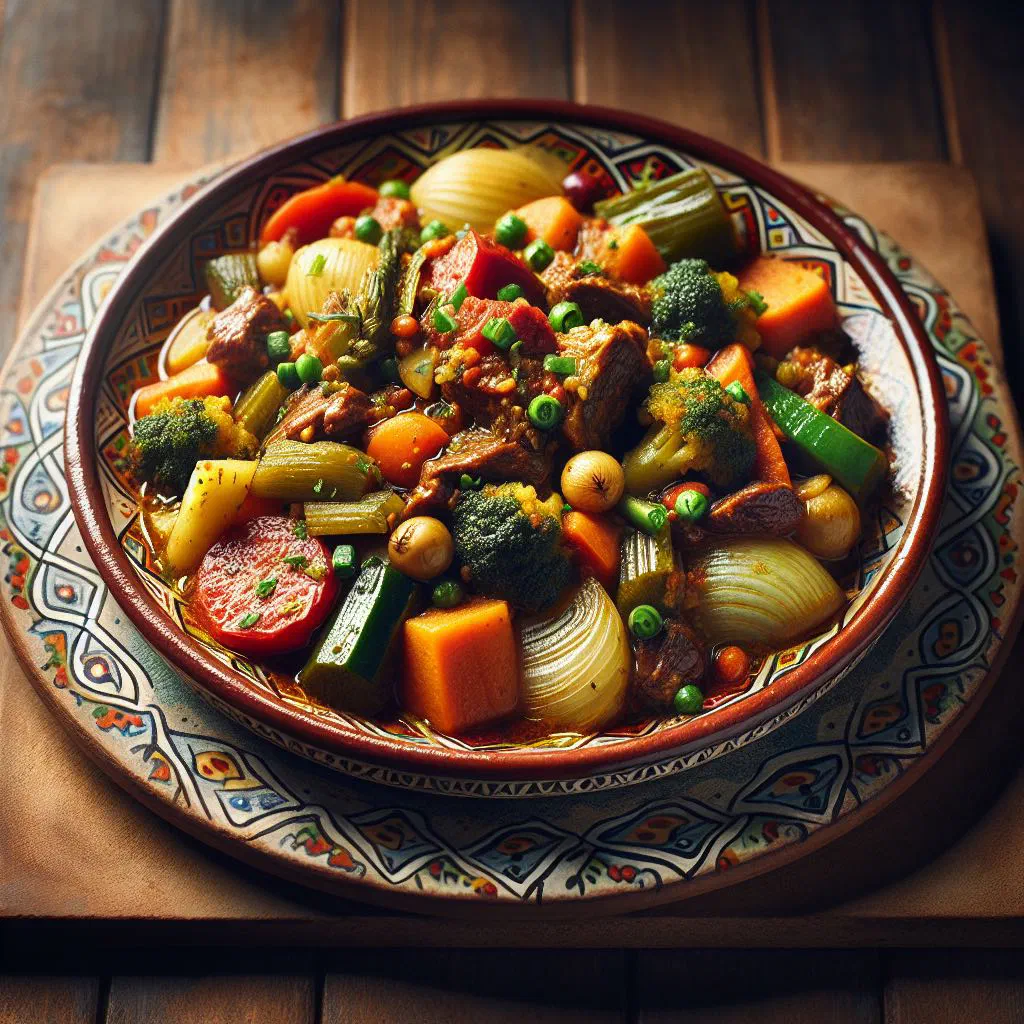
Meet Tajine El Bey, a true celebration of flavour and one of the crowning dishes of Tunisia. Quite unlike the Moroccan stew of the same name, this baked creation brings together tender meat, colourful vegetables and a golden layer of set eggs, all bound with a generous handful of fragrant herbs and spices. It is comforting, festive and unmistakably North African, a dish that carries a genuine piece of Tunisian culture straight to your table.
About Tajine El Bey
Tajine El Bey is a much-loved dish from Tunisia, prized for its rich flavour and its wonderfully generous mix of ingredients. Rather than the slow-simmered stew found elsewhere in North Africa, the Tunisian version is a baked, frittata-like creation that draws on culinary influences from across the region. At its heart is a combination of baked eggs, tender meat, bright vegetables and an array of aromatic herbs, making it a memorable treat for the palate. For many Tunisians it is a symbol of culture and tradition, a dish that shows just how varied and generous North African cooking can be.
Ingredients (serves 1–2)
- 4 large eggs
- 200 g chicken or lamb
- 1 onion, finely chopped
- 100 g fresh vegetables (e.g. peppers, courgette)
- 20 g fresh herbs (e.g. parsley, coriander)
- 1 teaspoon paprika
- Salt and pepper to taste
- Olive oil, for frying
Shopping for the ingredients
When shopping for Tajine El Bey, it is well worth paying attention to the freshness of the produce. Visit a local market or an organic shop to find the best chicken or lamb you can, as the quality of the meat makes a real difference to the finished dish. Fresh vegetables and herbs are key to giving the flavours depth and vibrancy. Some ingredients, such as speciality spices, can also be ordered online to make sure you get the very best products.
Preparing the dish
Preparing Tajine El Bey is straightforward, though it does reward a little time and care. Begin by cutting the meat into small pieces and marinating it with salt, pepper and paprika. While the meat takes on the seasoning, you can chop the onions and prepare the vegetables. These steps are important to ensure that all the flavours harmonise beautifully once they meet in the pan.
Step-by-step instructions
- Heat a little olive oil in a pan and sauté the onions until translucent.
- Add the marinated meat and fry until cooked through.
- Stir in the vegetables and let everything cook on for a further 5–7 minutes.
- In a separate bowl, whisk the eggs and fold in the freshly chopped herbs.
- Pour the egg mixture over the meat and vegetables and let it begin to set.
- Cover the pan and cook the tajine over low heat for around 10 minutes, until firm.
Gluten-free / lactose-free version
One of the best things about Tajine El Bey is that it is naturally gluten-free and lactose-free. When buying your chicken or lamb, simply check that there are no added fillers or flavourings that might contain gluten or lactose. For a vegan version, you can replace the meat with a plant-based protein and swap the eggs for a vegan egg substitute or tofu to achieve the same creamy effect.
Tips for vegans and vegetarians
For vegans and vegetarians, Tajine El Bey offers plenty of room to adapt. Instead of meat, use a combination of chickpeas, lentils or tofu to create a protein-rich meal. The eggs can be replaced with a mixture of chia seeds and water, which delivers a similar body and binding. Finish the dish with extra spices such as cumin or cinnamon to stay true to the traditional taste while adding a new note of your own, much like the warm, spiced flavours of Chakchouka.
More tips and tricks
A few simple tips will help make your Tajine El Bey especially delicious. Experiment with different vegetables to discover new flavours, carrots, aubergine and even sweet potato can all bring interesting combinations. The choice of herbs and spices matters too, and fresh herbs will always lend more aroma than dried. Remember to cook the dish slowly, so the flavours intensify and the delicate textures are preserved.
Adapting the recipe to your taste
Everyone has their own preferences at the table, and Tajine El Bey takes beautifully to adjustment. If you like a little heat, add chilli or a spicy blend to give the dish more punch, a spoonful of fiery Harissa works wonderfully here. For nut lovers, almonds or pine nuts add a pleasing crunch.
Ingredient substitutions
Sometimes you may need to swap certain ingredients for alternatives, and that is easy enough with Tajine El Bey. If fresh herbs are unavailable, dried herbs can step in, though they will soften the flavour a little. In place of chicken or lamb you can use plant-based or soya products to prepare a wholesome, healthy meal. Stay flexible with the ingredients and experiment to get the best possible result.
Drink pairing ideas
A range of drinks pairs nicely with Tajine El Bey. A cool mineral water is always a good choice to complement the flavours of the dish. For something more refined, a white wine from the region supports the spiced notes perfectly. Fresh juices, such as orange juice or a mint lemonade, also make a refreshing accompaniment, especially on warm days.
Serving and presentation ideas
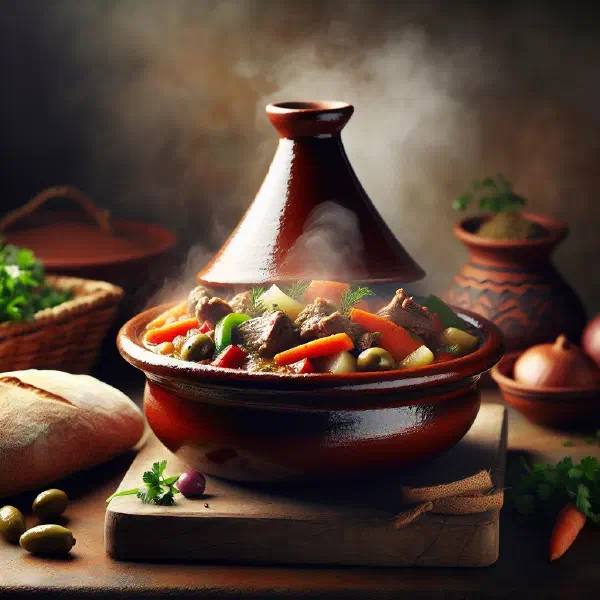
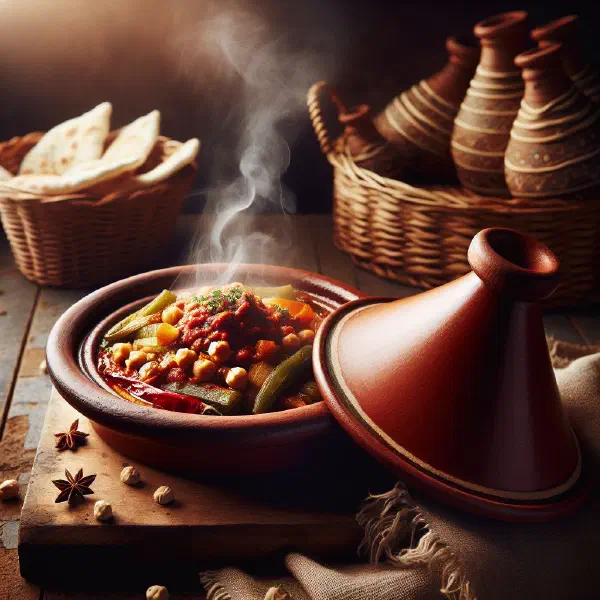
Presentation is an important part of serving Tajine El Bey. Consider bringing it to the table in a traditional tajine serving dish to heighten the sense of authenticity. Garnish with fresh herbs and spices to please the eye with colour. A side of crusty bread or a fresh salad, a bright Salade Tunisienne, perhaps, rounds out the meal and creates a balanced spread.
A bit of history
The roots of Tajine El Bey reach deep into Tunisian history and culture. While the tajine first became popular in Morocco, Tunisia developed its own distinctive interpretation, one shaped by local ingredients and spices and served baked rather than stewed. The dish has evolved over time and is enjoyed both in everyday life and on festive occasions. Preparing a tajine reflects the culinary richness of the country and the tradition of families gathering around the table to eat and share together, a spirit found throughout Tunisian cuisine.
More recipe ideas
Summary: Tajine El Bey
Tajine El Bey is far more than just a dish; it is a unique meeting point of history, culture and taste. This delicious creation from Tunisia shows how varied and aromatic North African cooking can be. With fresh ingredients and the right preparation, you will achieve a harmonious flavour experience suited to both everyday meals and special occasions. Let the aromas win you over and bring a piece of Tunisian culture into your own kitchen.