National Dish Tunisia: Tajine Mhammara (Recipe)
In this article
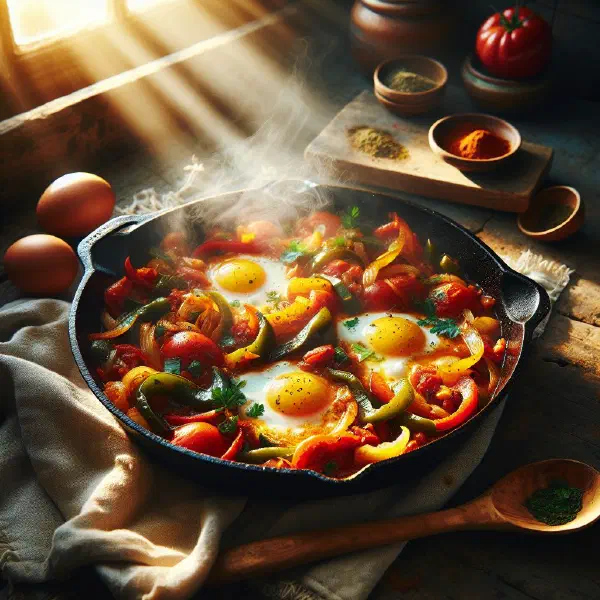
Discover Tajine Mhammara, a soulful classic from the heart of Tunisia. Unlike its slow-simmered Moroccan cousin, this Tunisian tajine is closer to a baked, frittata-like dish in which spiced meat, peppers and eggs come together in glorious harmony. Fragrant with paprika and cumin and finished with a scatter of fresh parsley, it brings the sun-soaked flavours of the Mediterranean straight to your table. Serve it as a hearty main or a generous side and let North Africa liven up your kitchen.
About Tajine Mhammara
Tajine Mhammara is a traditional dish from Tunisia that appeals to both the palate and the eye. Its ingredients combine harmoniously to bring the aromas of the Mediterranean directly to the plate. In Tunisia, this style of tajine is often prepared with fresh vegetables and warming spices, turning the dish into a genuine feast. Tajine Mhammara enriches every meal it graces.
Ingredients (serves 1–2)
- 250 g chicken or lamb
- 1 large onion
- 2 cloves garlic
- 1 red pepper
- 1 teaspoon paprika
- 1/2 teaspoon cumin
- 2 eggs
- Salt and pepper, to taste
- 4 tablespoons olive oil
- Fresh parsley, to garnish
Shopping for the ingredients
To prepare Tajine Mhammara at its best, it is well worth choosing top-quality ingredients. Fresh vegetables and good cuts of meat give the dish its intense flavour. Take care to buy your spices fresh, as they make all the difference to the aroma. Visit local markets or wholefood shops to track down the freshest produce for the job.
Preparing the dish
Preparing Tajine Mhammara is fairly straightforward and takes only a few minutes of groundwork. Begin by washing and chopping the vegetables. The meat should be cut into small pieces to ensure it cooks evenly throughout. It also helps to lay out all your ingredients in advance, so you can work efficiently once the cooking begins.
Step-by-step instructions
- Heat 2 tablespoons of olive oil in a tagine or a deep frying pan.
- Add the chopped onion and garlic and fry until golden brown.
- Add the meat and cook until lightly browned.
- Stir in the diced pepper, paprika and cumin, then season with salt and pepper.
- Let the dish simmer gently over low heat for about 20 minutes, until the meat is cooked through.
- In a separate bowl, whisk the eggs and stir them through the dish.
- Simmer for a further 10 minutes, until the eggs have set.
- Garnish with fresh parsley and serve hot.
Gluten-free / lactose-free version
The recipe for Tajine Mhammara is naturally gluten-free and lactose-free, so you can enjoy it without any special adjustments. Even so, do check that all your ingredients, spices and meat included, are genuinely free from gluten and lactose. That care makes the dish an ideal choice for anyone with intolerances.
Tips for vegans and vegetarians
For vegan or vegetarian versions of Tajine Mhammara, simply replace the meat with a mix of chickpeas and extra vegetables. Keep the spices the same to preserve the full-bodied flavour. This swap makes for a protein-rich, wholesome alternative. You might also experiment with tofu or tempeh to vary the texture.
More tips and tricks
A great Tajine Mhammara depends on choosing the right spices and the freshest ingredients. Start with a small amount of seasoning and adjust the flavour to your own liking. You can also get creative and add seasonal vegetables to make your own variations. Don’t forget to let the dish rest for a moment after cooking, so the aromas can develop to their fullest.
Adapting the recipe to your taste
Tajine Mhammara is a wonderfully adaptable dish that lends itself easily to different tastes and preferences. If you like it spicy, add chilli or a pinch of cayenne pepper. You can also use different kinds of meat, or even seafood, depending on what you fancy. Be bold and experiment with new flavours to create a recipe that is entirely your own. For a herby, greener take, look to a Tajine Maadnous.
Ingredient substitutions
If you don’t have particular ingredients to hand when making Tajine Mhammara, there are plenty of alternatives. Turkey works well in place of chicken, for example, and you can choose your vegetables according to the season. Instead of ordinary paprika, try smoked paprika for a deeper, smokier note. Substitutions like these create interesting variations and keep the dish feeling fresh each time you make it.
Drink pairing ideas
The perfect partner for Tajine Mhammara is a refreshing drink that complements the flavours of the dish. A cool, dry white wine pairs beautifully with its intense aromas. Alternatively, serve a fruity homemade iced tea to support the spices. If you prefer something alcohol-free, try mint tea, which is hugely popular in Tunisia.
Serving and presentation ideas
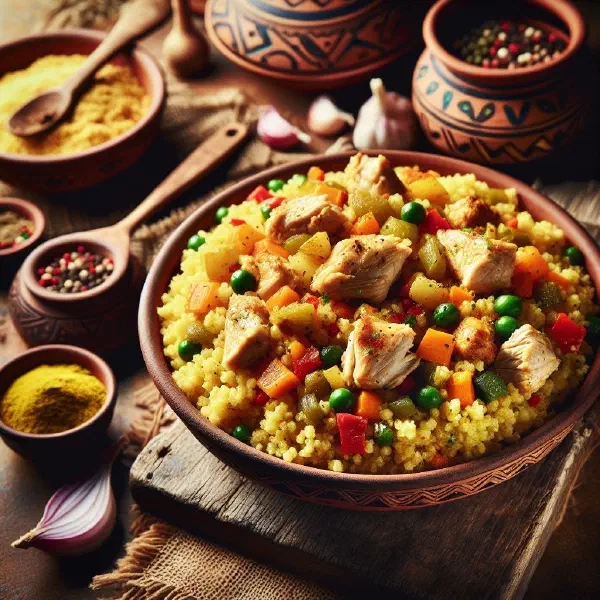
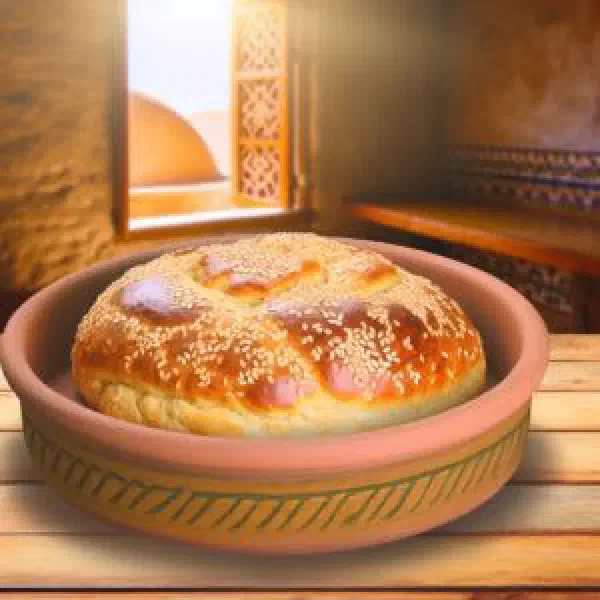
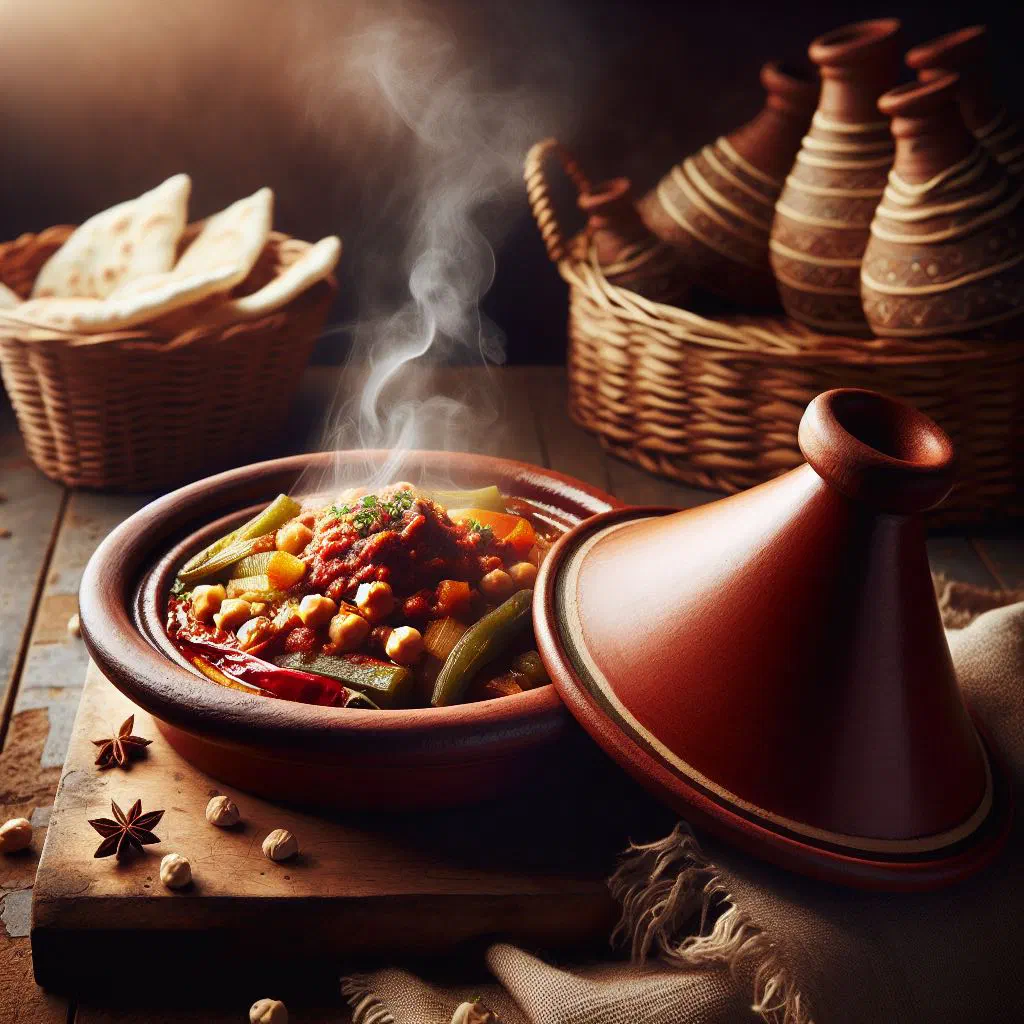
Presentation can add enormously to the pleasure of a meal. Serve Tajine Mhammara in the traditional tagine or a handsome ceramic dish to underline the authentic experience. Garnish with fresh parsley or mint for a burst of colour and freshness. Serve it alongside fresh bread or a fragrant Couscous for a complete and satisfying meal.
A bit of history
Tajine Mhammara has its origins in Tunisia and forms part of the country’s rich culinary tradition. Across Tunisia, many different styles of tajine are prepared, often varying with the seasonal ingredients of each region. The dish reflects the harmonious meeting of the many cultures that have shaped Tunisia over the centuries. It is a special dish, frequently served at celebrations and family gatherings, and a fine example of Tunisian cuisine.
More recipe ideas
Summary: Tajine Mhammara
Tajine Mhammara is a delicious, versatile dish that adapts readily to personal taste. With its array of fresh ingredients and warming spices, it is a feast for the senses. This dish brings joy to any table. See for yourself the unique flavour composition that this traditional Tunisian dish has to offer.