National Dish Tunisia: Zgougou Halwa (Recipe)
In this article
Meet Zgougou Halwa, a beloved sweet from the heart of Tunisia. Built around the distinctive zgougou, the tiny seed of the Aleppo pine, this dessert carries a deep, unmistakably nutty character that sets it apart from anything else on the table. Traditionally made for feasts and special gatherings, it is a treat steeped in celebration and hospitality. Rich, fragrant with rose water and finished with a scattering of toasted nuts, it brings the warmth of Tunisian kitchens straight into your own home.
About Zgougou Halwa
Zgougou Halwa is an exquisite Tunisian confection made from the unique zgougou seed, harvested from the Aleppo pine. This seed lends the dish a particularly intense, nutty flavour that makes it something quite special. Zgougou Halwa is traditionally served at festivals and important occasions, a custom that speaks to the cultural significance of this delicacy. Every piece is a genuine pleasure, reflecting the aromas and traditions of Tunisia and standing proudly among the sweets of Tunisian cuisine.
Ingredients (serves 1–2)
- 200 g zgougou (Aleppo pine seed) flour
- 100 g sugar
- 500 ml water
- 1 tsp rose water
- A pinch of salt
- Fleur de sel, to garnish
- Toasted nuts, to decorate
Shopping for the ingredients
When shopping for Zgougou Halwa, it is worth focusing on the quality of the zgougou seeds. These can be found in specialist food shops or ordered online. Make sure the seed flour is fresh so you capture its full flavour. The other ingredients, such as the sugar and rose water, should be of the best quality too, so as not to detract from the final taste of the dish.
Preparing the dish
Before you begin making Zgougou Halwa, gather and measure out all your ingredients. This makes the cooking process much smoother and ensures you forget nothing along the way. It is a good idea to toast the seed flour lightly before use, as this deepens and intensifies its aromas. You can also set out the toasted nuts for decoration, ready to crown your sweet creation at the very end.
Step-by-step instructions
- In a saucepan, bring the water and sugar to the boil together.
- Add the zgougou flour a little at a time, stirring constantly.
- Let the mixture simmer, stirring throughout, until it reaches a thick, creamy consistency.
- Stir in the rose water and a pinch of salt, mixing well.
- Pour the mixture into a greased mould and leave to cool and set.
- Before serving, garnish with fleur de sel and toasted nuts.
Gluten-free / lactose-free version
The wonderful thing about Zgougou Halwa is that it is naturally gluten-free and lactose-free, making it ideal for anyone with those intolerances. Because it relies on zgougou seed flour rather than wheat flour, this sweet is delicious and safe for anyone who has to avoid gluten. No additives are needed to make it suitable. Enjoy this traditional dish without a second thought.
Tips for vegans and vegetarians
Zgougou Halwa is an excellent choice for vegans and vegetarians, as it contains no animal products whatsoever. To adapt it even further, you can use alternative sweeteners such as agave syrup or coconut sugar. The rose water can be swapped for another plant-based flavouring if you prefer. This lets everyone enjoy the aromas and textures of this good Tunisian delicacy.
More tips and tricks
When making Zgougou Halwa, it is important to keep stirring continuously to avoid a lumpy texture. A tall pan is advisable to prevent splashes as the mixture bubbles. If needed, the sweet can be divided into small portions to make it easier to serve. Experiment with different spices or flavourings to give your halwa a personal touch.
Adapting the recipe to your taste
The recipe for Zgougou Halwa can be adjusted in many ways to suit your own palate. You might increase or reduce the amount of sugar, depending on how sweet you like it. The texture can also be shaped by the cooking time, longer cooking gives a firmer halwa, while shorter cooking keeps it creamier. Adding extra nuts or dried fruit can create an interesting variation too.
Ingredient substitutions
If you cannot get hold of zgougou seeds, there are a few alternatives worth considering. Almonds or hazelnuts can be used as a substitute, though they will shift the character of the dish slightly, much as the nutty crumb of a Ghriba leans on almonds. In place of sugar you can also use coconut blossom sugar or honey, as in the honey-rich Zgougou Au Miel, for a natural sweetness. Stay creative and don’t be afraid to experiment with the ingredients.
Drink pairing ideas
A number of drinks pair beautifully with Zgougou Halwa. Traditional Tunisian mint tea is a popular choice and harmonises perfectly with the sweetness of the halwa. A strong, freshly brewed black coffee also complements the flavours well. Alternatively, fresh fruit juices or a cool, subtly flavoured water make a refreshing accompaniment for the palate.
Serving and presentation ideas
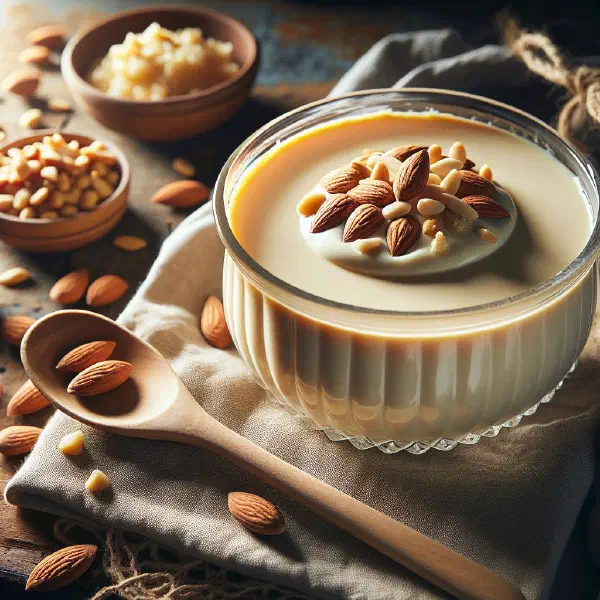
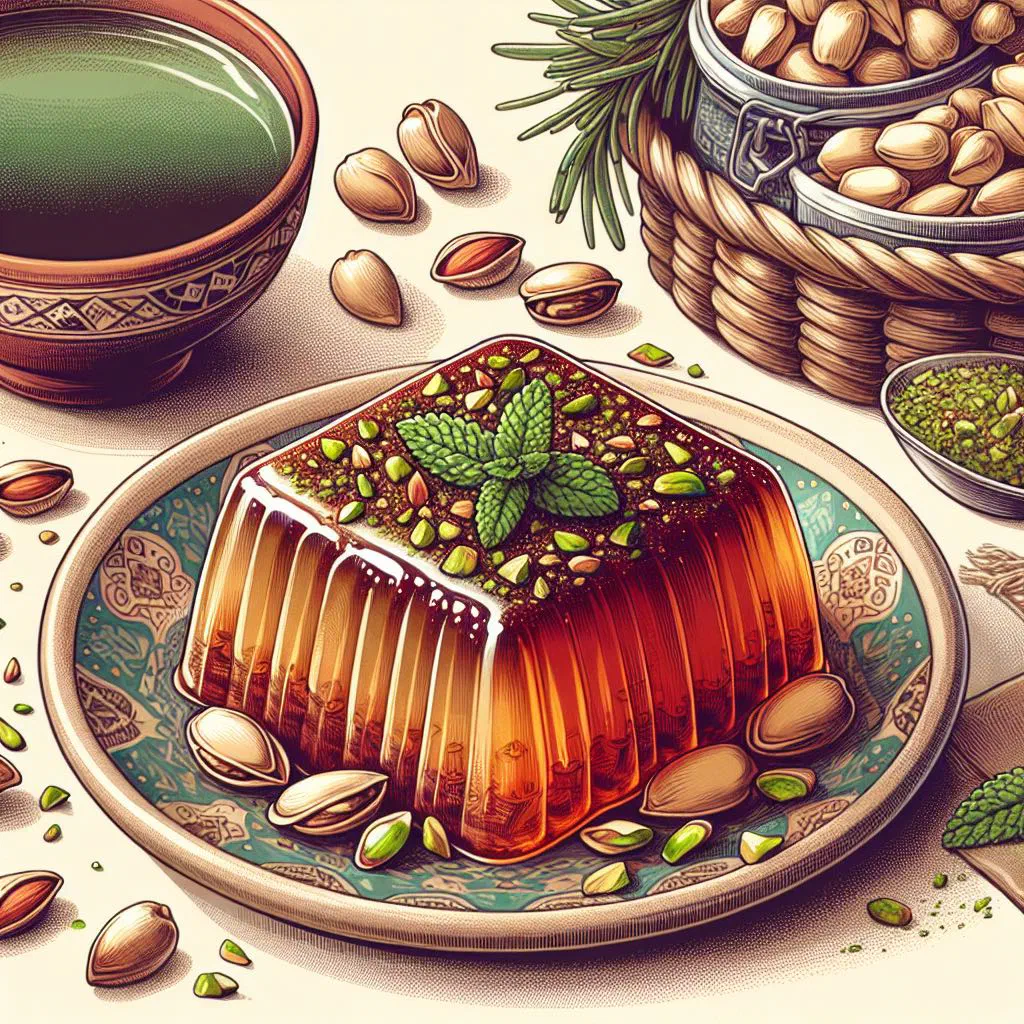
Presentation is key to serving Zgougou Halwa attractively. You can cut the halwa into small squares and arrange them on a decorative plate. Garnishing with toasted nuts and a touch of fleur de sel adds both flavour and visual appeal. Consider adding decorative elements such as edible flowers or fresh mint leaves to create a festive mood, just as you might when plating the creamy Zgougou Pudding.
A bit of history
Zgougou Halwa has its roots in the rich culinary tradition of Tunisia. It has been prepared for centuries and is a symbol of the country’s hospitality. This sweet is a pleasure to eat and tells stories of family traditions and festive celebrations. The zgougou seed itself has long played an important role in the region’s diet and remains treasured to this day.
More recipe ideas
Summary: Zgougou Halwa
Zgougou Halwa is an outstanding Tunisian treat that embodies the heritage of Mediterranean cooking. Its straightforward preparation and reliance on high-quality ingredients make it a versatile choice for special occasions. Give this recipe a try and experience the aromas of Tunisia in your own home.