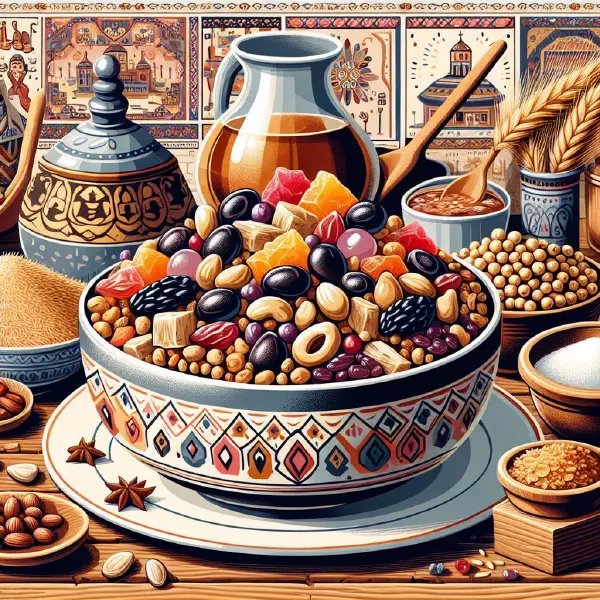
National Dish Turkey: Aşure (Recipe)
In this article
Discover Aşure, one of Turkey’s most cherished sweet dishes and a true symbol of peace and togetherness. Often called Noah’s Pudding, this ancient dessert brings together wholesome grains, crunchy nuts and jewel-bright dried fruit in a single, soul-warming bowl. Steeped in centuries of tradition and shared generously among friends and neighbours, it is as meaningful as it is delicious. Bring a taste of Turkish hospitality straight to your own kitchen.
About Aşure
Aşure is a traditional Turkish dish often described as the food of peace. It is typically prepared during holy days and carries a fascinating history that stretches all the way back to the time of Noah. Also known as Noah’s Pudding, it brings together a remarkable variety of ingredients and remains a firm part of the culinary culture in countless Turkish households. More than just a dessert, Aşure symbolises abundance and the act of sharing with others, something that holds deep social and cultural significance across Turkey.
Ingredients (serves 1–2)
- 100 g wheat
- 50 g rice
- 100 g dried fruit (such as raisins and apricots)
- 50 g nuts (such as walnuts and almonds)
- 1 cinnamon stick
- 150 g sugar
- 1 litre water
- 1/2 tsp vanilla
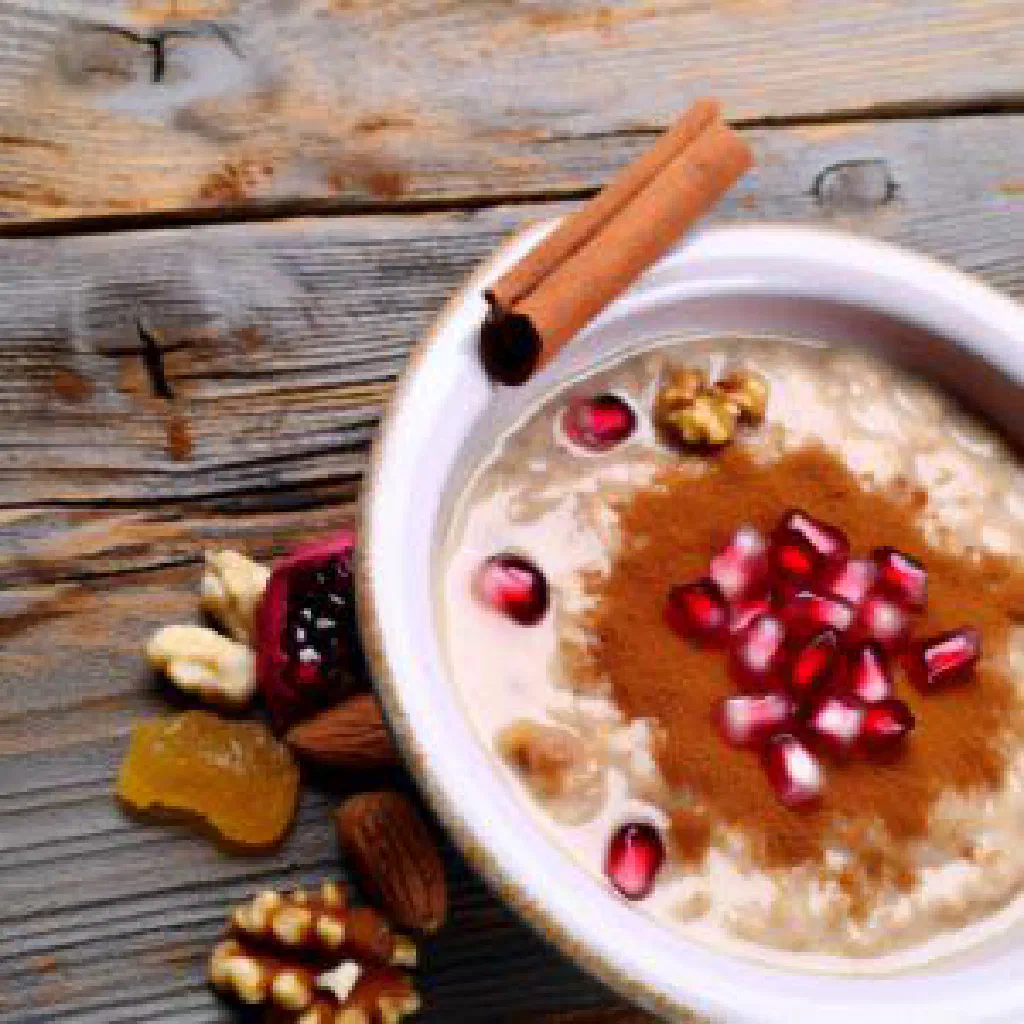
- Pomegranate seeds, to decorate
Shopping for the ingredients
Most of the ingredients listed are easy to source in Turkish grocery shops or well-stocked supermarkets. Take care to choose good-quality dried fruit and nuts, as these make all the difference to the finished flavour. It can also be worth picking organic ingredients where possible, giving you an even more wholesome bowl of this comforting Turkish cuisine classic.
Preparing the dish
Before you begin making Aşure, it is important to prepare the ingredients carefully. The wheat should be soaked overnight so that it softens nicely during cooking. The rice can also be rinsed and soaked beforehand for a better result in the pot. Make sure the dried fruit is chopped into small pieces, which helps improve the texture of the finished dish.
Step-by-step instructions
- Place the soaked wheat and rice in a large pot and cover with water.
- Bring the mixture to the boil, then leave it to simmer for around 30 minutes until the grains are soft.
- Add the dried fruit and the cinnamon stick, and cook for a further 10 minutes.
- Stir in the sugar and vanilla, mix everything well and remove from the heat.
- Ladle the Aşure into bowls and leave to cool before serving.
Gluten-free / lactose-free version
Traditionally, Aşure is made with wheat and rice, both of which contain gluten. For a gluten-free version, you can use quinoa or rice instead. These alternatives give a similar consistency along with a delicious flavour. On top of that, the dish stays naturally lactose-free, as it contains no dairy products at all, making it perfectly suitable for anyone with a lactose intolerance.
Tips for vegans and vegetarians
Aşure is naturally vegan and contains no animal products whatsoever. Even so, there are plenty of ways to adapt the recipe to include even more plant-based goodness. You might fold in extra varieties of fruit or a scattering of seeds, for example, to boost the nutritional value and enrich the overall taste. Just take care that the dried fruit and nuts you use come from ethical, responsible sources.
More tips and tricks
To make Aşure even more flavourful, you can add various spices such as nutmeg or cardamom. These ingredients lend the dish an extra depth and complexity. The consistency can be adjusted too, simply by using more or less water to suit your preference. Experiment with different combinations of fruit and nuts to create your very own personal twist, much like the playful variety you’ll find in a Vişneli Ekmek Tatlısı.
Adapting the recipe to your taste
One of the great advantages of Aşure is the flexibility of the recipe. Depending on your individual taste, you can vary the ingredients freely. If you are not keen on nuts, for instance, you can add more dried fruit or leave them out altogether. The sweetness is easily adjusted too, by using less sugar or replacing it with natural sweeteners.
Ingredient substitutions
If one of the ingredients does not appeal to you or proves hard to find, there is always an alternative. For example, you can swap almonds for hazelnuts, or use honey instead of sugar. Adjustments like these let you tailor the dish to your personal preferences while keeping the essential character of Aşure intact. Just make sure the alternatives harmonise well with the other ingredients, as they would in a comforting Revani.
Drink pairing ideas
Aşure is a versatile dish that pairs well with a range of drinks. A classic Turkish tea is a popular choice, as it complements the flavours of the dessert beautifully. A freshly pressed pomegranate juice can also make a refreshing accompaniment. For special occasions, you might consider a lightly sweetened mint tea, which brings out the wonderful variety of flavours within Aşure.
Serving and presentation ideas
The presentation of Aşure can heighten the enjoyment even further. Spoon the dish into pretty little bowls or glasses to serve it in style. Garnished with pomegranate seeds and chopped nuts, it looks appetising and provides a good extra crunch. Use fresh mint leaves as a decoration to give the dish a bright, colourful finish.
A bit of history
Aşure has a history that is well known in Turkey and beyond. According to legend, Noah prepared this dish to make use of whatever ingredients remained on the ark. Today, the dish is often celebrated on the Day of Ashura, which holds great significance in Islam. This traditional recipe has evolved over the centuries and remains a symbol of community and sharing within Turkish culture, a spirit echoed in festive dishes such as Sarma.
More recipe ideas
Summary: Aşure
In summary, Aşure is a delicious dish and one of deep symbolic importance. It embodies tradition and community, and it adapts easily to all kinds of tastes. Whether with nuts, dried fruit or spices, the variations are virtually endless. Make Aşure yourself just once and experience the wonderful flavours and the cultural significance of this remarkable national dish of Turkey.