National Dish Turkey: Baklava (Recipe)
In this article
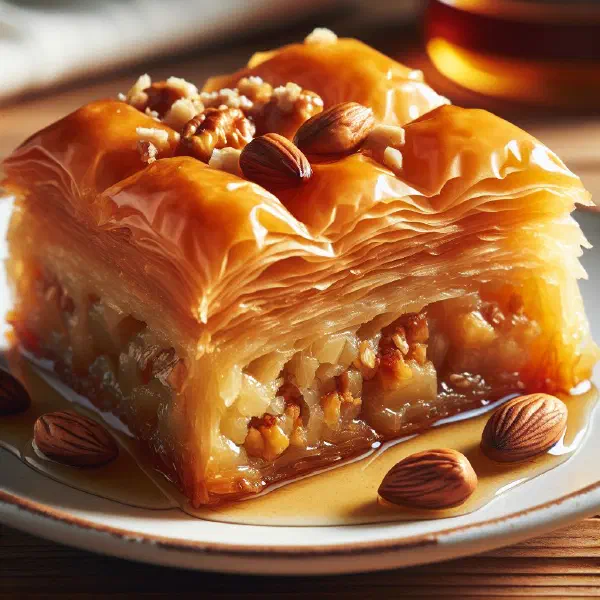
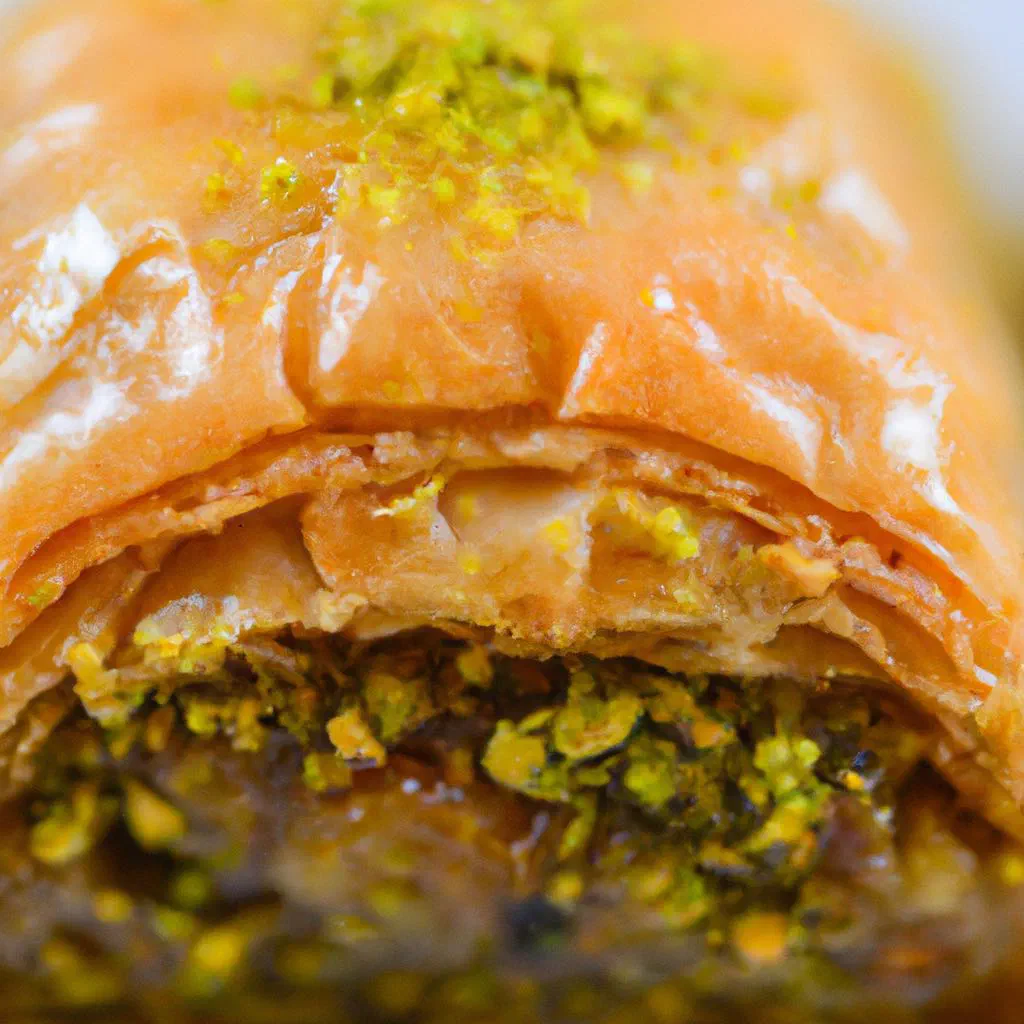
Few sweets capture the spirit of Turkey quite like Baklava, glistening layers of paper-thin pastry packed with crushed nuts and bathed in fragrant honey syrup. This celebrated dessert turns a handful of simple ingredients into something truly memorable, crisp and buttery with every bite. Beloved far beyond its homeland, baklava is easier to make than its dazzling looks suggest, and a little patience rewards you with a memorable treat fit for any celebration.
About Baklava
Baklava is a wonderful Turkish speciality built from a simple yet very good combination of nuts, honey and delicate layered pastry. It is one of the world’s best-loved desserts, served across countless countries and cultures. Despite its impressive appearance, baklava is straightforward to prepare, and with just a few good-quality ingredients it becomes a truly unique culinary experience. If you fancy making baklava yourself, the step-by-step guide below will help you achieve gorgeous, golden results at home.
Ingredients (serves 1–2)
To make baklava you will need the following:
- 250 g walnuts
- 250 g pistachios
- 100 g butter
- 1 packet of filo pastry
- 1 cup sugar
- 2 tablespoons lemon juice
- 1 tablespoon honey
- 2 tablespoons water
- 1/2 teaspoon cinnamon
Shopping for the ingredients
When shopping for the ingredients, it is best to choose fresh nuts. They are higher in quality, have a far better aroma and are healthier too. Check the filo pastry carefully before buying, since it is usually pre-made and can sometimes be a little past its best. For the butter, opt for a good-quality variety, as it brings out the rich flavour of the baklava beautifully.
Preparing the dish
Before you begin assembling the baklava, grind the walnuts and pistachios in a food processor until finely chopped. Then roll out the filo pastry on a lightly floured work surface and trim it to the size of your baking tin.
Step-by-step instructions
- Start by lining the tin: grease the baking tray with butter and lay the filo pastry on top.
- Mix the ground walnuts and pistachios with the sugar, cinnamon and lemon juice, then spread the mixture evenly over the pastry.
- Roll up the filo pastry and cut it into strips about three centimetres wide.
- Arrange the strips in the baking tin and add the butter and honey.
- Bake the baklava at 180°C for 30 minutes until golden.
- Let the baklava cool, then pour over the honey-and-water syrup.
- Serve the baklava warm or cold.
Gluten-free / lactose-free version
Traditional baklava relies on wheat-based filo, but you can make a gluten-free version using one of the gluten-free filo or pastry sheets now widely available. For a lactose-free result, simply swap the butter for a quality plant-based margarine or coconut oil. With these small changes, everyone can enjoy this classic dessert without worrying about the ingredients.
Tips for vegans and vegetarians
There are several easy swaps to make baklava suitable for vegans. In place of butter, use coconut oil or another plant-based butter, and replace the honey with maple syrup or agave syrup. Most filo pastry is naturally vegan, but do check the packet to be sure. With these adjustments the dessert stays just as crisp, sweet and satisfying.
More tips and tricks
For the best baklava, pour the syrup over the pastry only once it has cooled, warm pastry meeting hot syrup tends to go soggy. Brush each layer generously with butter so the baklava bakes up wonderfully crisp. A pinch of extra cinnamon or a few drops of rosewater in the syrup lends a lovely fragrance and depth that takes the dessert to the next level.
Adapting the recipe to your taste
Baklava is very versatile and easy to tailor to your own preferences. Vary the nut filling by using almonds or hazelnuts alongside the classic walnuts and pistachios. Adjust the sweetness by adding more or less syrup, and play with warm spices such as cardamom or cloves. This way you can shape a baklava that suits your palate exactly.
Ingredient substitutions
If certain ingredients are not to hand, there are plenty of creative alternatives. Swap walnuts for almonds, hazelnuts or even cashews to change the character of the filling. Maple syrup or a sugar syrup works in place of honey, and clarified butter (ghee) can stand in for ordinary butter. For another nut-rich Turkish treat, take a look at Revani, a syrup-soaked semolina cake.
Drink pairing ideas
Baklava pairs beautifully with a wide range of alcohol-free drinks. A strong Turkish coffee or a fragrant glass of black tea is the classic choice, cutting through the sweetness perfectly. A fruity juice or a creamy milkshake also works well, and for something cooling, try it alongside a chilled Vişne Kompostosu, a traditional sour-cherry compote.
Serving and presentation ideas
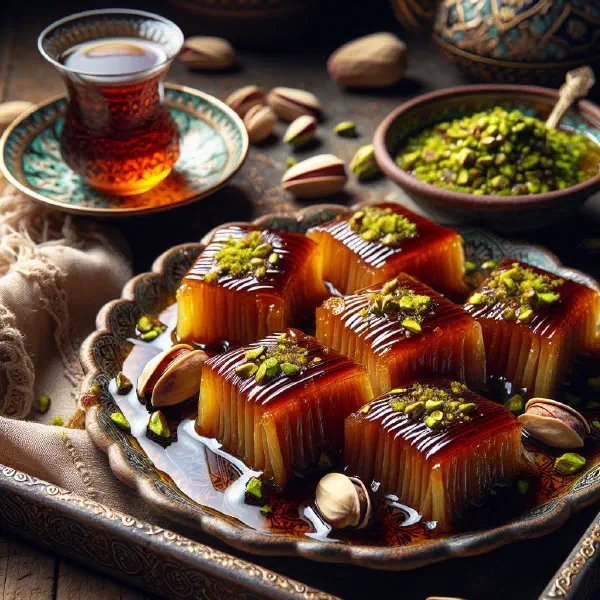
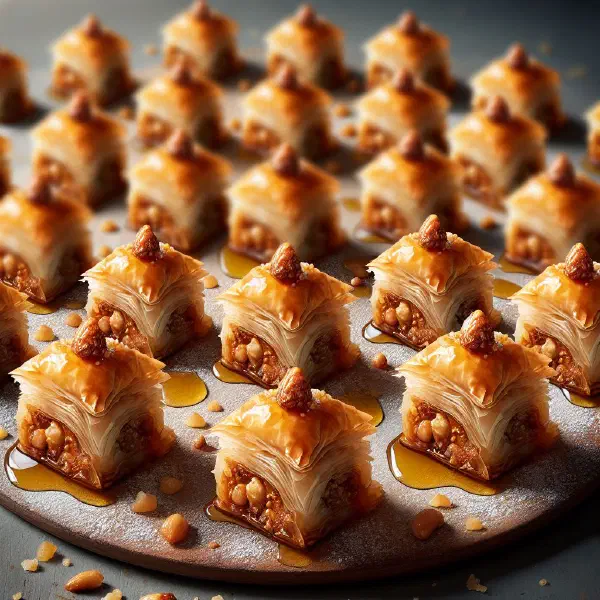
Presentation makes baklava feel especially festive. Arrange the diamond-shaped pieces neatly on an elegant platter and scatter finely chopped pistachios over the top for a pop of colour. A dusting of crushed nuts or a light drizzle of extra honey adds shine and appeal. Serve in small portions with coffee or tea, just as it is offered across the world of Turkish cuisine.
A bit of history
Baklava is an ancient and much-cherished part of Turkish heritage. It has been prepared for more than a thousand years, making it one of the oldest dessert recipes in the world. Refined in the kitchens of the Ottoman palaces, it became a symbol of celebration and hospitality, and today it remains a beloved sweet served in many countries around the globe.
More recipe ideas
Summary: Baklava
Baklava is a glorious Turkish speciality, built from a simple combination of nuts, honey and delicate layered pastry. It is easy to prepare and, with just a few good ingredients, becomes a truly unique culinary experience. Follow the step-by-step guide above and you will find that making baklava at home is wonderfully simple, a crisp, sweet, golden treat to share and enjoy.