National Dish Turkey: Katmer (Recipe)
In this article
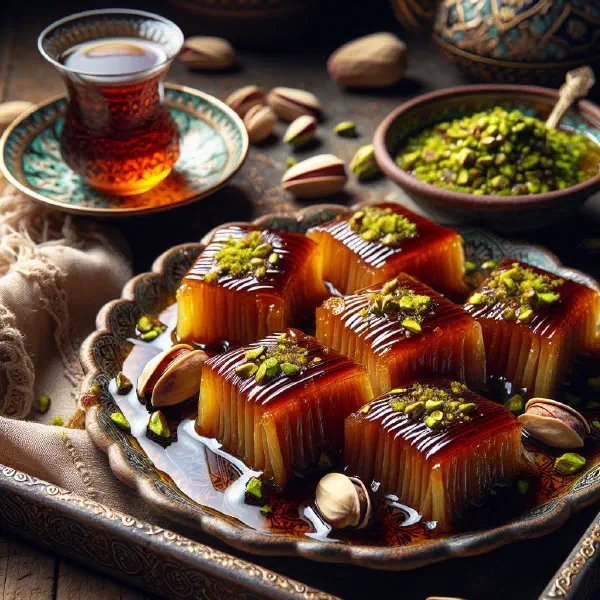
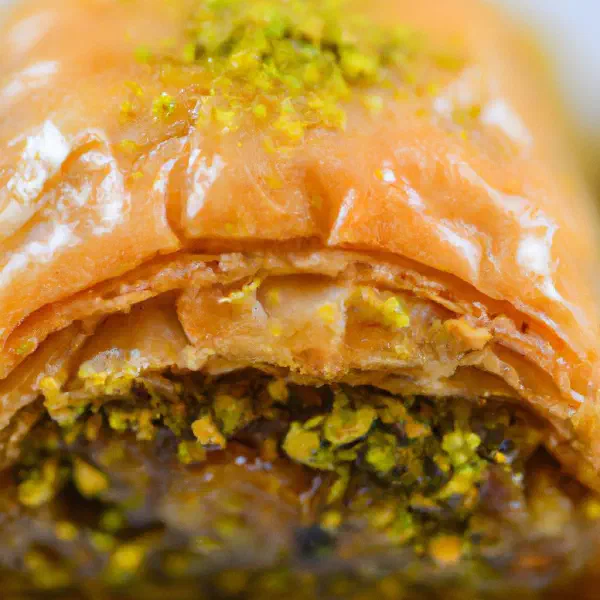
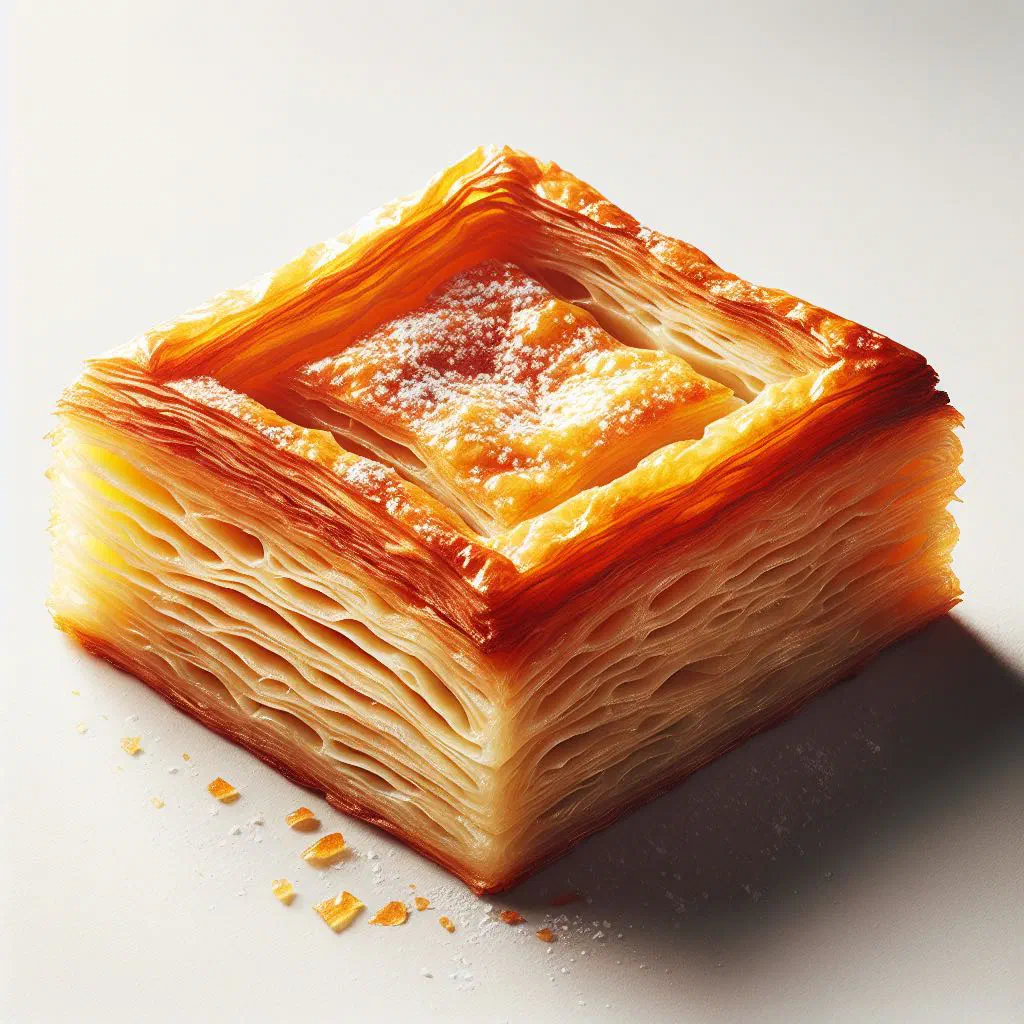
Treat yourself to Katmer, one of Turkey’s most beloved sweet pastries. This indulgent dessert layers wafer-thin sheets of dough around a fragrant filling of ground pistachios, melted butter and warming cinnamon, baked until gloriously crisp and golden. With its delicate, flaky texture and sweet, nutty heart, katmer is the kind of treat that feels equally at home at a grand celebration or alongside a quiet afternoon cup of tea. Bring a taste of Anatolian tradition straight to your own kitchen.
About Katmer
Katmer is a much-loved traditional Turkish dessert that wins admirers with its remarkable combination of delicate layers and a rich filling. The dish is most often made with a filling of pistachios or almonds and baked to a deep golden brown. Its hallmark is a crisp texture paired with a sweet, nutty flavour that makes every bite a small celebration. Katmer is wonderful as a dessert for festive occasions and equally lovely as an everyday indulgence.
Ingredients (serves 1–2)
- 250 g yufka pastry sheets
- 100 g butter (for brushing)
- 100 g ground pistachios or almonds
- 50 g sugar
- 1 tsp cinnamon
- 100 ml water
Shopping for the ingredients
The ingredients for katmer are available in most Turkish grocery shops or well-stocked supermarkets. The yufka pastry in particular, which forms the base of the dish, is essential for achieving that characteristic flaky, layered structure. The nuts should be fresh and of good quality so you can enjoy their full flavour. It is also worth considering whether to buy certain ingredients locally or to choose organic varieties to support sustainability.
Preparing the dish
Before you begin making katmer, it helps to have all the ingredients laid out and a few preparations done in advance. Make sure the butter is melted and the nuts are properly ground. Mix the ground nuts with the sugar and cinnamon to create a delicious filling. This step has a real influence on the aroma and texture of the finished dish, so it pays to work carefully.
Step-by-step instructions
- Preheat the oven to 180°C.
- Spread the yufka pastry out on a clean work surface.
- Brush one sheet of yufka with melted butter.
- Scatter a mixture of ground pistachios, sugar and cinnamon evenly over the first layer.
- Lay another sheet of yufka over the filling and repeat the process.
- Brush the final layer of yufka generously with butter and seal the edges carefully.
- Bake for around 25–30 minutes, until the surface is golden brown.
- Drizzle with a little water and leave to cool before serving.
Gluten-free / lactose-free version
For anyone who prefers to eat gluten-free or lactose-free, there are good alternatives to the traditional yufka pastry. Gluten-free puff pastry, for example, works well in its place. For the butter, you can reach for plant-based alternatives. When shopping, take care to check the ingredients for possible allergens so you can enjoy your katmer with complete confidence.
Tips for vegans and vegetarians
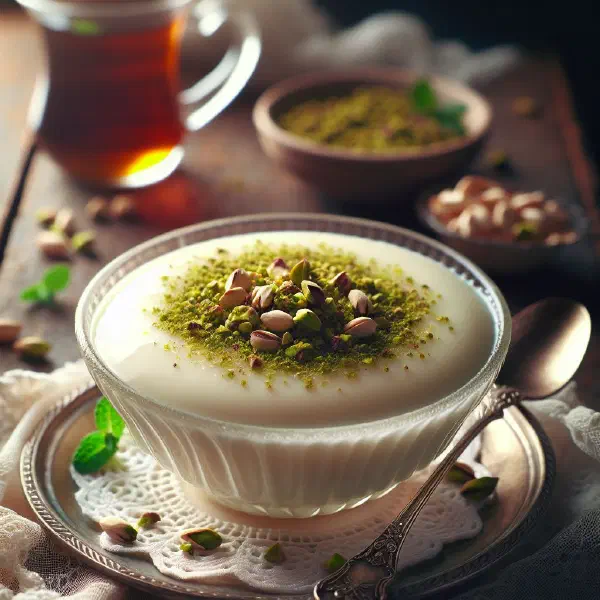
Vegans can easily adapt the recipe for katmer by using coconut oil or another plant-based fat in place of butter. Vegan sweeteners can also be used in the filling to lower the sugar content. Just make sure the nuts you choose are suitable for a plant-based diet. That way the dish stays entirely in keeping with a vegan way of eating, much like the sweet Revani can be reworked for different needs.
More tips and tricks
To make your katmer even more delicious, you can add extra flavourings such as vanilla or orange blossom water. Experiment with different nuts to create your own personal taste experiences. Another tip is to dust the finished dessert with a little icing sugar for an added touch of sweetness. Remember that the oven temperature is crucial to the baking time, so the katmer browns evenly throughout.
Adapting the recipe to your taste
The filling can be tailored to your own preferences. Instead of the classic pistachios, you might use almonds, walnuts or hazelnuts, and the level of sweetness can be varied slightly. You could also try chocolate or other nut blends to add a special accent. This flexibility makes katmer a wonderfully versatile dessert that adapts easily to any occasion.
Ingredient substitutions
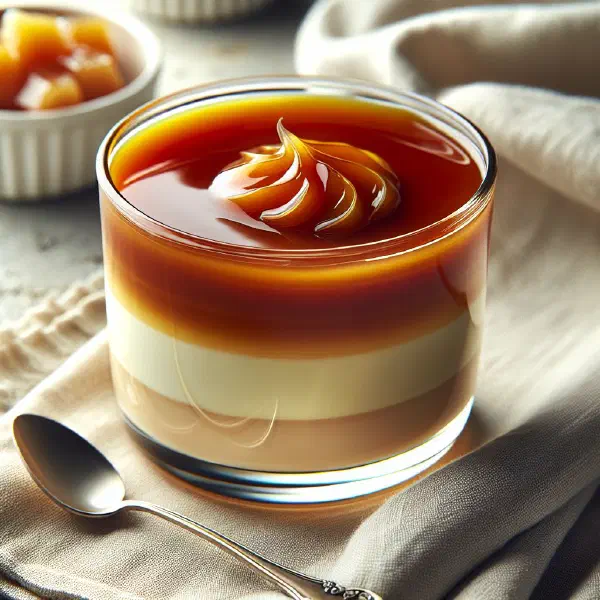
If you cannot find yufka pastry, you can use filo pastry or homemade puff pastry instead. When it comes to the nuts, crushed biscuits also make an interesting filling that gives the katmer a special texture. Alongside cinnamon you could fold in other warming spices such as ginger or cardamom. These options make it easy to experiment with the recipe and add your own signature touch, in the same spirit as a comforting bowl of Vişne Kompostosu.
Drink pairing ideas
To round off the katmer experience, several drinks make excellent companions. A cup of Turkish tea or a black coffee are traditional partners that beautifully complement the dessert’s sweetness. For a more festive touch, a glass of pomegranate juice or a fruity mocktail would also work well. Aim to choose drinks that support and balance the flavour of the katmer.
Serving and presentation ideas
The presentation of katmer can be lifted with fresh mint leaves or edible flowers scattered across the plate. An attractive arrangement on a large cake stand, or individual portions on small dessert plates, can make a real impression too. A dusting of icing sugar or even a chocolate sauce as a garnish can enhance the dessert both visually and in flavour. It is these little details that turn the dessert into a true highlight.
A bit of history
Katmer has its roots in Turkish cuisine and forms part of a long tradition that prizes artisan baking and the use of the finest ingredients. It originally comes from the region of Anatolia, where the making of pastries is treated as an art form. Over the centuries, katmer spread throughout Turkey and grew hugely popular at festivals and celebrations. Today it is a symbol of hospitality, served in many households and standing proudly within the wider world of Turkish cuisine.
More recipe ideas
Summary: Katmer
In short, katmer is a unique and delicious dessert that appeals to with its delicate, flaky structure and its sweet, nutty filling. The preparation is straightforward, though it does take a little practice and dedication to achieve the perfect result. It also offers plenty of scope to create your own variations and let your creativity run free. Give it a try and let the flavours of Turkish cuisine work their magic.