National Dish Turkey: Kavurma (Recipe)
In this article
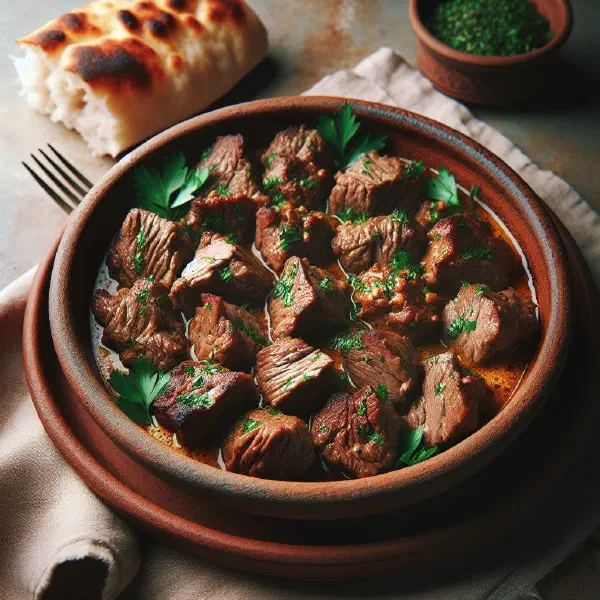
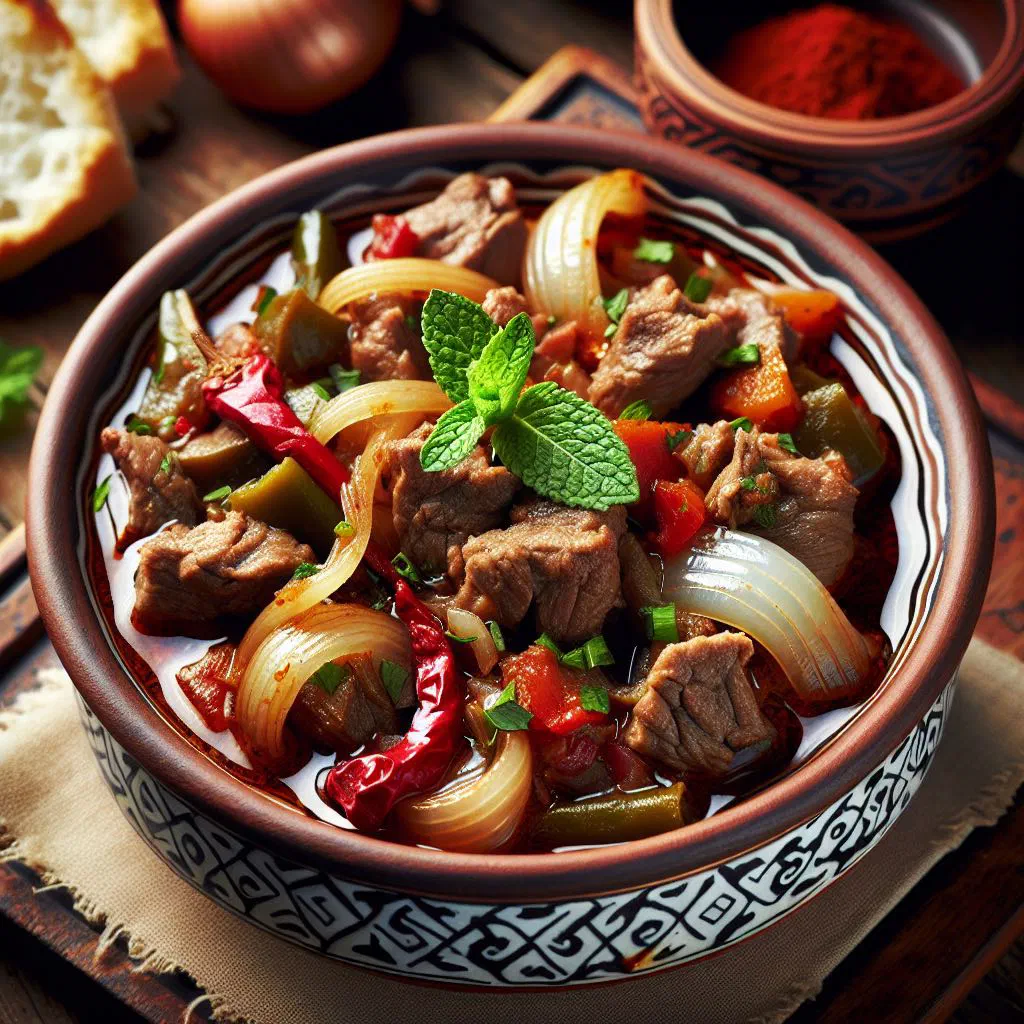
Meet Kavurma, a soulful classic of Turkish cooking built around meltingly tender meat and a warm chorus of spices. Slowly simmered until the flavours sink deep into every morsel, this is the kind of generous, share-around-the-table dish that captures the spirit of Turkish hospitality. The long, gentle cooking does most of the work, leaving you with a rich, aromatic main course that feels like a treat every single time.
About Kavurma
Kavurma is a hallmark of Turkish cooking, celebrated for its tender meat and its harmonious pairing with fresh, fragrant spices. It is usually made with lamb or beef, slowly cooked through a medley of Mediterranean aromas until everything turns wonderfully soft. The long cooking time lets the flavours penetrate deep into the meat, giving the dish its unmistakable character. It is a perfect expression of Turkish hospitality, often served in large gatherings and offering a feast for all the senses, much like other classics of Turkish cuisine.
Ingredients (serves 1–2)
- 300 g lamb or beef
- 2 tablespoons olive oil
- 1 onion, diced
- 2 cloves garlic, chopped
- 1 pepper, diced
- 1 teaspoon paprika
- 1 teaspoon cumin
- Salt and pepper, to taste
- Fresh parsley, to garnish
Shopping for the ingredients
When shopping for kavurma it is well worth choosing fresh ingredients to coax out the very best flavour. Visit a local market or greengrocer for fresh vegetables and good-quality cuts of meat. Look for meat that is nicely marbled, as this is the secret to a tender texture. The spices, meanwhile, can be found in specialist Turkish food shops or ordered online to bring those authentic aromas straight into your kitchen.
Preparing the dish
Preparing Kavurma is straightforward, though a few small steps help the flavours shine at their best. Begin by cutting the meat into even pieces and seasoning it with salt and pepper. Prepare the vegetables next, finely chopping the onion and garlic and cutting the pepper into small pieces. Good preparation keeps the cooking process smooth and ensures every ingredient can be added at just the right moment.
Step-by-step instructions
- Heat the olive oil in a large pan and fry the onion until translucent.
- Add the garlic and sauté briefly until fragrant.
- Add the pieces of meat and brown them on all sides until nicely coloured.
- Stir in the pepper and the spices, mixing everything together well.
- Pour in around 200 ml of water and bring the mixture to the boil.
- Reduce the heat and let the dish simmer gently for 1–2 hours, until the meat is tender.
- Garnish with fresh parsley and serve.
Gluten-free / lactose-free version
Kavurma is naturally gluten-free, as no flour-based products are used. For anyone following a lactose-free diet, it is best to reach for plant-based alternatives to any dairy. Just double-check that all the spices and oils you use are free from gluten-containing additives. That way you can enjoy the dish with complete peace of mind, without compromising on your dietary needs.
Tips for vegans and vegetarians
Kavurma can also be made in a plant-based version that is every bit as satisfying and wholesome. Simply replace the meat with aubergine, courgette or kidney beans and follow the same cooking process. Use vegetable stock in place of water to build extra depth of flavour. These variations make it possible to enjoy a traditional dish without any animal products at all.
More tips and tricks
To make your kavurma even more flavoursome, try experimenting with different herbs and spices. Bay leaves or thyme, for example, add an extra aromatic dimension. Letting the dish simmer a little longer also helps the flavours meld together properly. The slow cooking is what makes the meat so wonderfully tender, raising the whole experience to another level, a technique it shares with Kuzu Kapama.
Adapting the recipe to your taste
Tailor your kavurma to personal taste by adding diced potatoes or other vegetables, for instance. Playing with the spices can bring out interesting new flavour directions too. Try a pinch of cardamom or cinnamon for an exotic note. If you like things hot, a sprinkle of chilli flakes or some fresh chillies will do the trick. This keeps the dish varied and endlessly interesting.
Ingredient substitutions
If you would rather skip certain ingredients, or simply do not have them to hand, there are plenty of alternatives for kavurma. You can swap the meat for tofu or tempeh if you fancy a vegan version. Instead of olive oil, try coconut oil or avocado oil, which both offer healthy fats. Swaps like these help you keep the dish delicious and nourishing whatever your needs.
Drink pairing ideas
To round off your meal, choose drinks that complement kavurma beautifully. A full-bodied red wine, such as a Merlot or a Shiraz, pairs perfectly with the dish’s hearty flavours. For alcohol-free options, a minty lemonade or a glass of pomegranate juice work wonderfully. These drinks offer a refreshing counterpoint to the rich taste and help create a well-balanced dining experience.
Serving and presentation ideas
Thoughtful presentation can heighten the pleasure of kavurma even further. Serve it in a decorative clay pan or an attractive serving dish to play up its rustic charm. Garnish with fresh parsley or a squeeze of lemon for a splash of colour and freshness. A side of warm flatbread and a colourful salad, alongside something like Sarma, rounds out the spread and sets an inviting table.
A bit of history
Kavurma has its roots in traditional Turkish cooking, which draws heavily on Mediterranean and Middle Eastern gastronomy. It was originally devised as a way of preserving meat for longer by cooking it in its own fat. This cooking technique appears in other cultures too, in similar but regionally distinct preparations. Over time, kavurma grew into a much-loved dish for festive occasions, showcasing the hospitality and richness of Turkish culture.
More recipe ideas
Summary: Kavurma
To sum up, Kavurma is a tender, flavoursome and hearty dish that delivers the authentic aromas of Turkish cooking. The combination of soft meat, fresh spices and vegetables makes it the highlight of any meal. With the preparation tips and variations above, you can adapt the recipe exactly to your liking. Enjoy your kavurma and let the warmth of Turkish hospitality inspire you.