National Dish Turkey: Mısır Unu Pidesi (Recipe)

In this article
Mısır Unu Pidesi comes from Turkey’s Black Sea coast, where corn has been the everyday grain for centuries. Cornmeal gives this flatbread a faintly sweet flavour and a pleasantly grainy bite that wheat alone cannot deliver. Torn warm from the tray and spread with butter or served beside sharp cheese, it is farmhouse baking at its most satisfying.
About Mısır Unu Pidesi
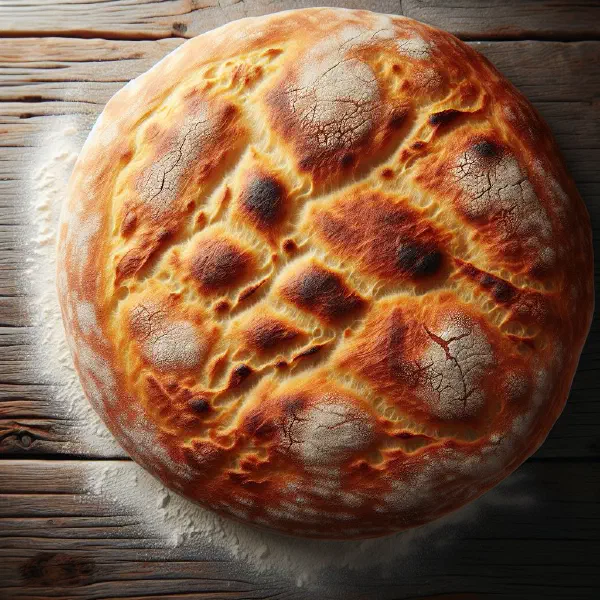
Mısır Unu Pidesi is a traditional flatbread from Turkey’s Black Sea region, where cornmeal has always been a staple. The bread is distinguished by its slightly grainy bite and mild corn sweetness. Originally it was a simple loaf baked on a tray or in a pan, central to the rural cooking of the region. In recent years it has found admirers well beyond the Black Sea and is enjoying a quiet revival.
Ingredients (serves 1–2)
- 150 g cornmeal (mısır unu)
- 100 g plain wheat flour
- 1 teaspoon dried yeast
- 1 teaspoon sugar
- ½ teaspoon salt
- 150 ml lukewarm water
- 2 tablespoons oil or melted butter
Shopping for the ingredients
When buying cornmeal, look for the fine, pale yellow mısır unu sold in Turkish supermarkets and well-stocked health food shops, coarse polenta gives a very different, grittier result. Fresh yeast guarantees a better rise if you can get it. Combining the cornmeal with a good plain wheat flour is what gives the flatbread enough structure to hold together.
Preparing the dish
Dissolve the yeast and sugar in the lukewarm water and let it stand for ten minutes until it foams. Weigh out both flours and mix them with the salt in a large bowl. Have the oil ready, and warm the room if your kitchen is cold, corn doughs are slower to rise than pure wheat doughs and appreciate the help.
Step-by-step instructions
- Stir the yeast and sugar into the lukewarm water and leave for 10 minutes until foaming.
- Mix the cornmeal, wheat flour and salt in a bowl.
- Pour in the yeast liquid and the oil, and knead to a soft, slightly sticky dough.
- Cover and leave to rise in a warm place for about an hour, until noticeably puffed.
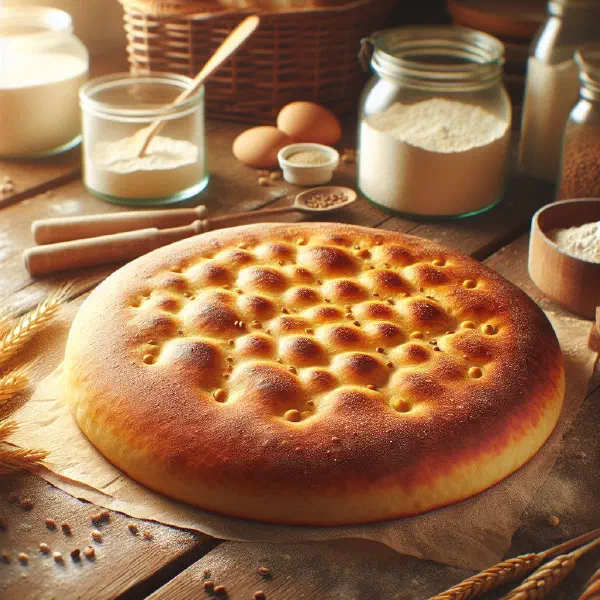
- Press the dough into a greased tin or onto a lined baking tray, roughly 2 cm thick.
- Dimple the surface with your fingertips and brush with a little oil.
- Bake at 200 °C for 25–30 minutes, until golden and hollow-sounding underneath.
Gluten-free / lactose-free version
The bread is naturally lactose-free if you use oil rather than butter. A gluten-free version is possible by replacing the wheat flour with a gluten-free bread blend plus a teaspoon of psyllium husk, which supplies the binding the gluten would otherwise provide. Expect a denser crumb, closer to a corn cake than a pide.
Tips for vegans and vegetarians
Made with oil instead of butter, Mısır Unu Pidesi is entirely vegan. It is a natural partner for plant-based meze, serve it with olive oil, olives and roasted peppers, or alongside a bean stew. A brushing of olive oil and a scatter of nigella seeds before baking adds both flavour and a handsome finish.
More tips and tricks
Cornmeal absorbs a great deal of water, so let the dough rest for ten minutes after mixing and judge the consistency again. It should be soft, almost sticky. Bake it hot and do not skimp on the tin greasing, as corn doughs like to stick. It is at its best within a few hours; after that, toast the slices.
Adapting the recipe to your taste
Black Sea cooks often work crumbled white cheese or chopped kale into the dough, both of which suit it beautifully. A spoonful of yoghurt in the dough gives a softer crumb, and a handful of sunflower seeds pressed into the surface adds crunch. For a sweeter version, increase the sugar slightly and serve with honey.
Ingredient substitutions
Fine polenta can replace the mısır unu at a pinch, though the texture will be coarser, grind it briefly in a blender to help. Any plain wheat flour works; a strong bread flour gives a slightly chewier result. Melted butter in place of oil brings a richer flavour if you are not keeping it vegan.
Drink pairing ideas
The traditional accompaniment on the Black Sea coast is a glass of strong Turkish çay, served in tulip glasses. Ayran, salted yoghurt drink, is equally at home beside it. For a heartier meal, the bread stands up well to a bowl of soup and a glass of buttermilk.
Serving and presentation ideas
Serve Mısır Unu Pidesi warm, cut into generous squares and piled in a basket lined with a cloth. It is at its most inviting torn rather than sliced, with butter melting into the crumb. Alongside sharp cheese, olives and tomatoes it makes a complete Turkish breakfast.
A bit of history
Corn arrived in Anatolia from the Americas in the 16th century and took hold most firmly along the humid Black Sea coast, where wheat grows poorly. There it became the region’s daily grain, appearing in porridges, cakes and above all in breads like this one. Mısır Unu Pidesi still tastes of that agricultural history, a genuine window onto Turkish cuisine.
More recipe ideas
Summary: Mısır Unu Pidesi
Mısır Unu Pidesi is a cornmeal flatbread from Turkey’s Black Sea region, mildly sweet, pleasantly grainy and made from a handful of pantry staples. It needs one rise and half an hour in a hot oven, and it turns a simple plate of cheese and olives into a proper meal. Bake it warm, tear it by hand, and taste a piece of Anatolian farmhouse tradition.