National Dish Turkey: Olive Oil Artichokes (Recipe)
In this article
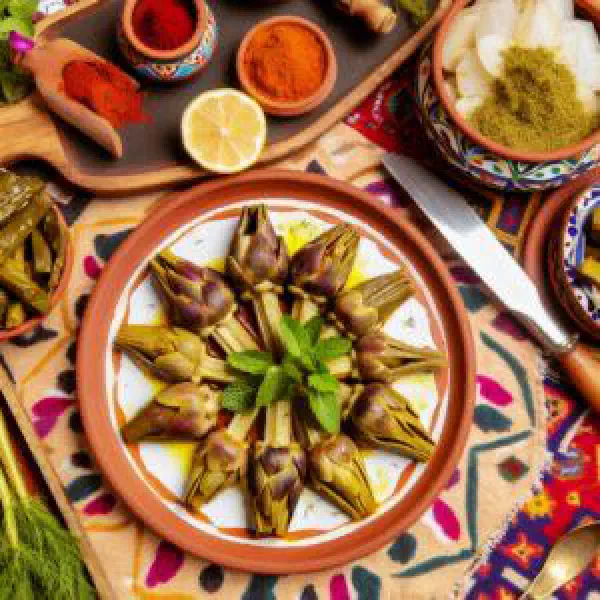
Say hello to Zeytinyağlı Enginar, the elegant Turkish way with artichokes that lets a handful of humble ingredients shine. Tender artichokes are gently braised in good olive oil with sweet carrots, a whisper of sugar and plenty of fresh lemon, then finished with a flourish of parsley. Light, fragrant and quietly luxurious, it is the sort of dish that tastes of sunshine and springtime. Perfect as a meze starter or a refined side.
About Olive Oil Artichokes
Olive oil artichokes are a classic of the Turkish kitchen, a dish brimming with both flavour and goodness. Trimmed artichoke hearts are cooked slowly in a generous pour of fine olive oil and seasoned with fresh herbs and bright lemon. It is most often served as a starter or side and is especially treasured in spring, when artichokes are at their seasonal best. Beyond being delicious, this dish is also wonderfully healthy, rich in fibre and antioxidants — a true gem of Turkey’s Mediterranean cooking, much like a Sarma at a meze table.
Ingredients (serves 1–2)
- 2 fresh artichokes
- 1 lemon
- 1 large onion
- 2 carrots
- 100 ml olive oil
- 1 teaspoon sugar
- Salt and pepper, to taste
- Fresh parsley, to garnish
Shopping for the ingredients
When shopping for olive oil artichokes, the key is to seek out the freshest artichokes you can find. They should feel firm and show no brown patches. Onions and carrots should likewise be fresh and crisp to deliver the best flavour. For the olive oil, it pays to choose a high-quality, cold-pressed bottle, as this can make a real difference to the finished dish.
Preparing the dish
To prepare the dish, begin by cleaning the artichokes thoroughly. Pull away the tough outer leaves and trim off the tops. Next, dice the onions and carrots. Cut the lemon in half, one half goes into the cooking, while the other is kept for garnishing. Getting the timing right at this stage helps all the flavours come together beautifully.
Step-by-step instructions
- Prepare the artichokes and drop them into a pan of water with the juice of half a lemon to stop them discolouring.
- In a separate pan, heat the olive oil and sauté the diced onions until softened.
- Add the carrots and let them cook briefly.
- Stir in the prepared artichokes along with a pinch of sugar, salt and pepper.
- Add a little water as needed and let everything simmer gently for about 20–30 minutes, until the artichokes are tender.
- Garnish with fresh parsley and serve.
Gluten-free / lactose-free version
Olive oil artichokes are naturally gluten-free and lactose-free, so they slot effortlessly into either a gluten-free or a lactose-free way of eating. The dish is built entirely from fresh vegetables and olive oil, with no added gluten or dairy anywhere in sight. That makes it an ideal choice for anyone managing intolerances or allergies.
Tips for vegans and vegetarians
This recipe is already vegan and vegetarian, as it contains no animal products at all. Vegans and vegetarians can tweak it freely by adding different vegetables to suit their mood. Try folding in peas or potatoes, for instance, for extra texture and flavour. The dish also takes beautifully to fresh herbs such as dill or mint for a little variation.
More tips and tricks
For a deeper, more rounded flavour, add a pinch of paprika or cumin while the artichokes cook. These spices play harmoniously against the artichokes’ delicate taste. Remember, too, that fresh herbs such as parsley or dill brighten the dish visually and lift its aroma. Play with the amount of lemon until you hit exactly the flavour you are after.
Adapting the recipe to your taste
The ingredients and method behind olive oil artichokes leave plenty of room for personal touches. You can fill or pair the artichokes with other vegetables to suit your taste. Some cooks prefer a sweeter version and add dried fruit such as raisins. The method can flex too, whether you steam or braise them, the result stays utterly delicious.
Ingredient substitutions
If fresh artichokes prove hard to track down, preserved or frozen versions make a fine stand-in. In place of olive oil you could use rapeseed oil, though this will change the flavour, so measure it carefully to keep things balanced. The sugar can also be swapped for honey or agave syrup for a gentle, natural sweetness, a sweeter note that would feel right at home in a Revani.
Drink pairing ideas
A range of drinks suits olive oil artichokes and rounds out the eating experience. A lightly chilled Riesling or a crisp rosé harmonises wonderfully with the dish’s flavours. For an alcohol-free option, serve it with sparkling water and a squeeze of lime or lemon. A fresh mint tea is another refreshing choice, perfect for cleansing the palate.
Serving and presentation ideas
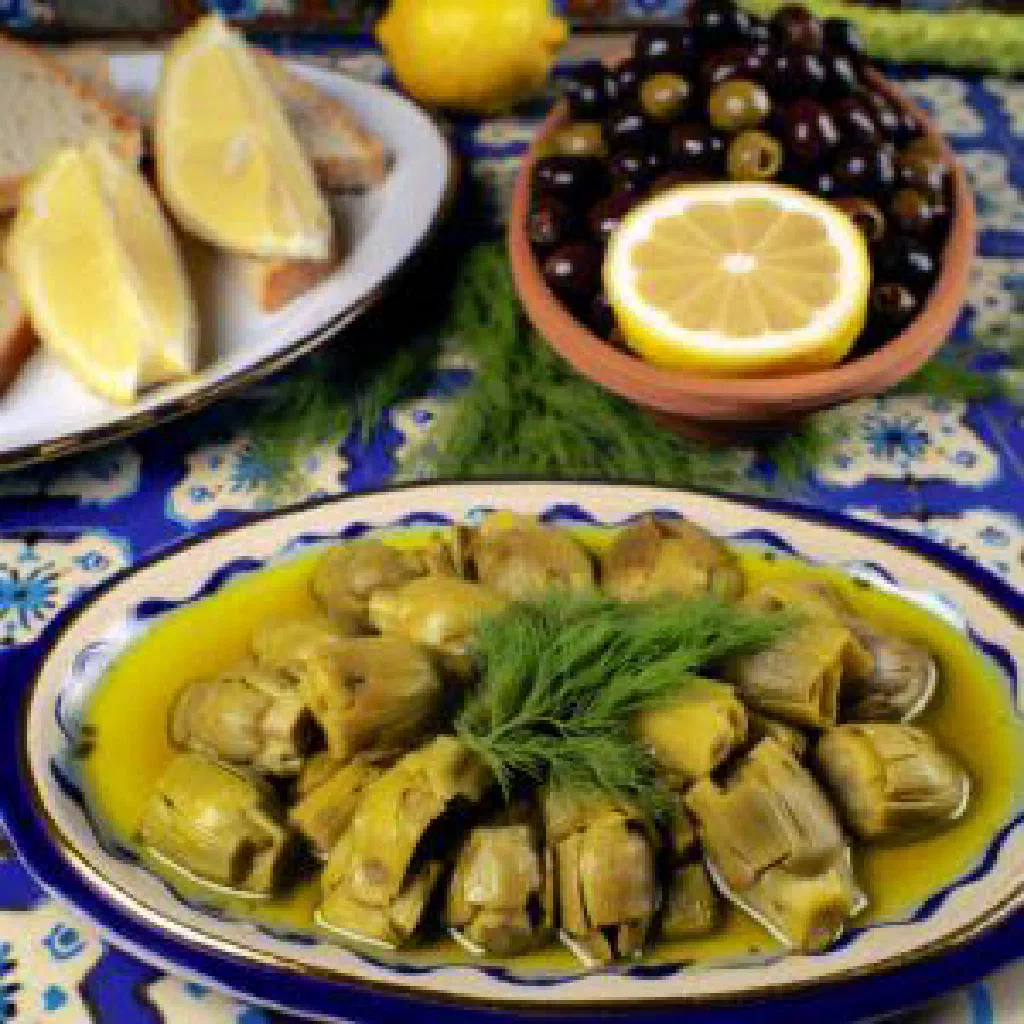
Presentation plays an important part with olive oil artichokes. Arrange the artichokes on a handsome plate and garnish with fresh parsley. A slice of lemon set on the rim of the plate adds a bright accent and real visual appeal. Another nice touch is to serve the dish in a decorative bowl to create an elegant, celebratory look.
A bit of history
Olive oil artichokes trace their origins to the traditional Ottoman kitchen and reflect the deep influence of Mediterranean eating. In Turkish culture the dish is often served as part of a meze, that lavish spread of small plates. Artichokes are prized not only in Turkish cooking but in Italian and Greek cuisine too. The high regard for olive oil across these regions is plain to see in a dish like this, which sits happily beside a comforting bowl of Şehriyeli Tavuk Çorbası.
More recipe ideas
Summary: Olive Oil Artichokes
Olive oil artichokes are a delicious, healthy dish that not only tastes wonderful but is also genuinely easy to make. Its perfect flavour comes from the marriage of fresh ingredients and high-quality olive oil. It is ideal for vegans, vegetarians and anyone who favours wholesome eating. With a few small adjustments, everyone can create their own version of this traditional recipe to match their personal taste.