National Dish Turkey: Olive Oil Cabbage Rolls (Recipe)
In this article
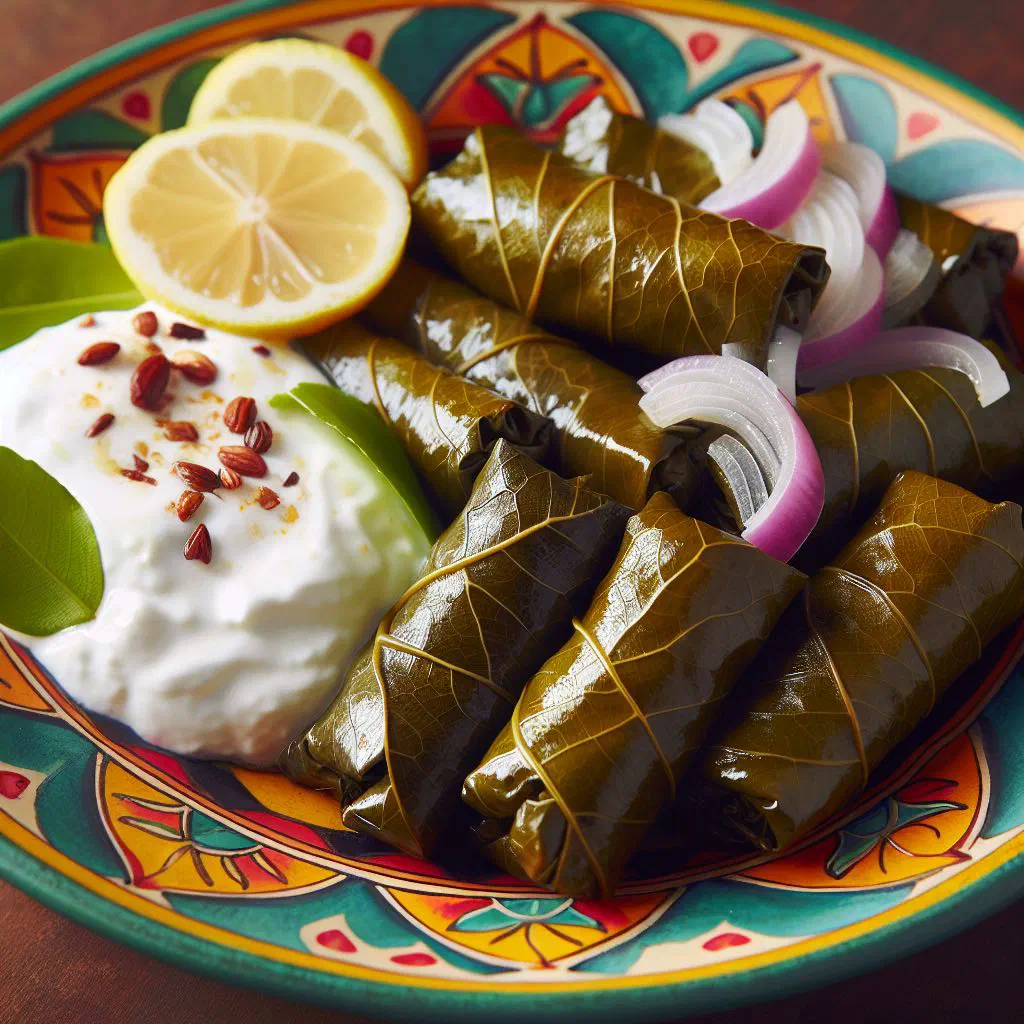
Discover Olive Oil Cabbage Rolls, a wonderfully wholesome treat from the Turkish table. Tender cabbage leaves are wrapped around a fragrant rice filling and gently braised in plenty of olive oil, lemon and warming spices. Traditionally served cold, these little parcels are a favourite during periods of fasting and a refreshing snack on warm days. Light yet deeply satisfying, they bring the generosity of Turkish home cooking straight to your kitchen.
About Olive Oil Cabbage Rolls
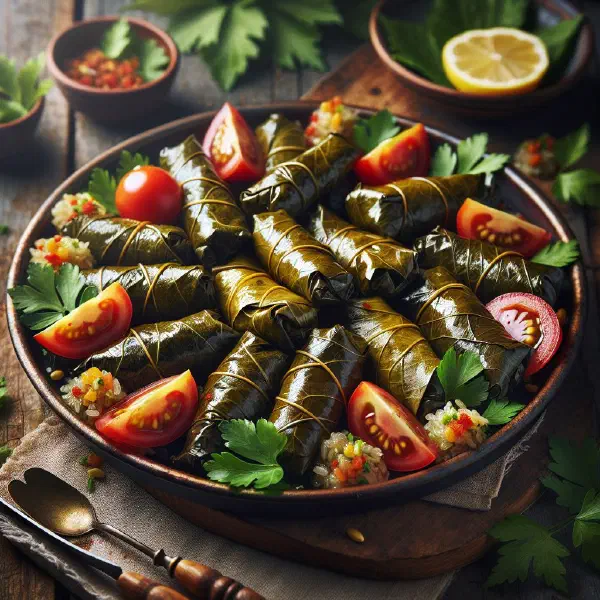
Olive Oil Cabbage Rolls are a traditional dish from Turkish cuisine that is as healthy as it is full of flavour. The combination of softly steamed cabbage and a savoury rice filling makes them a real treat. They are typically prepared with olive oil, which lends them their distinctive character, and they belong to the much-loved family of dolma, much like the vine-leaf classic Sarma. This dish is especially popular during the fasting season and is often served cold, making it an ideal snack for hot days.
Ingredients (serves 1–2)
- 6–8 large cabbage leaves
- 1 cup rice
- 1 onion, finely chopped
- 1/2 cup olive oil
- 1 teaspoon paprika
- 1 teaspoon hot pepper or chilli flakes (to taste)
- Salt and pepper
- 1 lemon (juice)
Shopping for the ingredients
To prepare olive oil cabbage rolls, choose fresh, good-quality ingredients. The cabbage matters most, as only fresh leaves wrap and braise well and taste their best. The olive oil should be of good quality too, since it has a major influence on the flavour. It is best to head to a local shop or a market to track down the finest produce, much as you would when gathering shellfish for Midye Dolma.
Preparing the dish
Before you begin, carefully peel the cabbage leaves away from the head. Then blanch them in a large pan of boiling water for about 5 minutes, until they have softened. Drain the leaves in a colander and let them cool a little. This step is essential, as it makes the leaves supple enough to fill and roll later without tearing.
Step-by-step instructions
- Heat the olive oil in a large pan and sauté the onions until translucent.
- Add the rice and the spices and toast everything together for a few minutes.
- Pour in a little water and let the rice simmer until it is almost cooked.
- Set the mixture aside to cool, then roll the filling into the blanched cabbage leaves.
- Arrange the stuffed leaves in an ovenproof dish and drizzle with more olive oil and lemon juice.
- Cook the rolls over low heat for about 30 minutes, until they are tender and well infused.
Gluten-free / lactose-free version
Olive oil cabbage rolls are naturally gluten-free as long as you use a gluten-free variety of rice. They suit a lactose-free diet without any changes, as they contain no dairy at all. If you are looking for a gluten-free grain alternative, quinoa works well too. Just keep an eye on the timing, as quinoa cooks more quickly than rice.
Tips for vegans and vegetarians
This recipe is naturally vegan and offers a nourishing meal that contains no animal products whatsoever. To deepen the flavour, add spices and fresh herbs such as mint or parsley. The olive oil can also be swapped for other plant-based oils to create new taste combinations. Experiment with different fillings, such as chickpeas or assorted vegetables, for extra variety.
More tips and tricks
For the very best flavour, let your olive oil cabbage rolls rest in the fridge for a few hours or even overnight. This gives the aromas the time they need to develop and mingle. Store them in a well-sealed container to keep them fresh. Serve them with a side of yoghurt or a crisp salad for a complete and satisfying meal.
Adapting the recipe to your taste
Everyone has their own preferences when it comes to flavour. You can easily tweak the recipe by adding extras such as dried fruit or nuts to the filling. You can also vary the spices depending on whether you like things hotter or milder. Play with the amount of olive oil, too, to adjust the texture of your rolls to your liking.
Ingredient substitutions
If you do not have cabbage leaves to hand, you can use other vegetables such as peppers or courgettes to create a similar filling. Leafy greens like spinach also work brilliantly for a creative twist. The rice can be replaced with bulgur or quinoa for a different texture, the same hearty grains that suit a comforting bowl of Şehriyeli Tavuk Çorbası. Just remember to adjust the cooking times accordingly.
Drink pairing ideas
A range of drinks pairs beautifully with olive oil cabbage rolls. A classic Turkish çay (black tea) or a refreshing mint tea make perfect companions. If you fancy something alcoholic, try a light white wine or a cocktail with fresh lemon and herbs. Just make sure the drink is not too dominant, so it does not overpower the delicate aroma of the rolls.
Serving and presentation ideas
To serve your olive oil cabbage rolls attractively, arrange them on a large plate or in a shallow bowl. Garnish the dish with fresh herbs such as mint or parsley for a splash of colour. A squeeze of lemon juice just before serving brings the flavours to life. Served with yoghurt or a zesty lemon sauce, they make a lovely complete plate.
A bit of history
Olive oil cabbage rolls are part of the rich tapestry of Turkish cuisine and are often served at social gatherings. The tradition of stuffing vegetables with various fillings stretches back centuries and appears throughout the Mediterranean. The dish has won fans in Turkey and in countries such as Greece and Lebanon. At holidays and special celebrations, alongside hearty mains like Kuzu Kapama, these rolls are a true highlight.
More recipe ideas
Summary: Olive Oil Cabbage Rolls
Olive oil cabbage rolls are a flavoursome and versatile dish that is simple to prepare and open to endless adaptation. They are healthy and perfect for a wide range of diets, including vegan and gluten-free options. The tasty combination of rice, spices and fresh vegetables makes them a highlight of any meal. Once you have tried these rolls, you will surely want to explore all their variations and possibilities, perhaps rounded off with a sweet Turkish dessert like Revani.