National Dish Turkey: Perde Pilavı (Recipe)
In this article
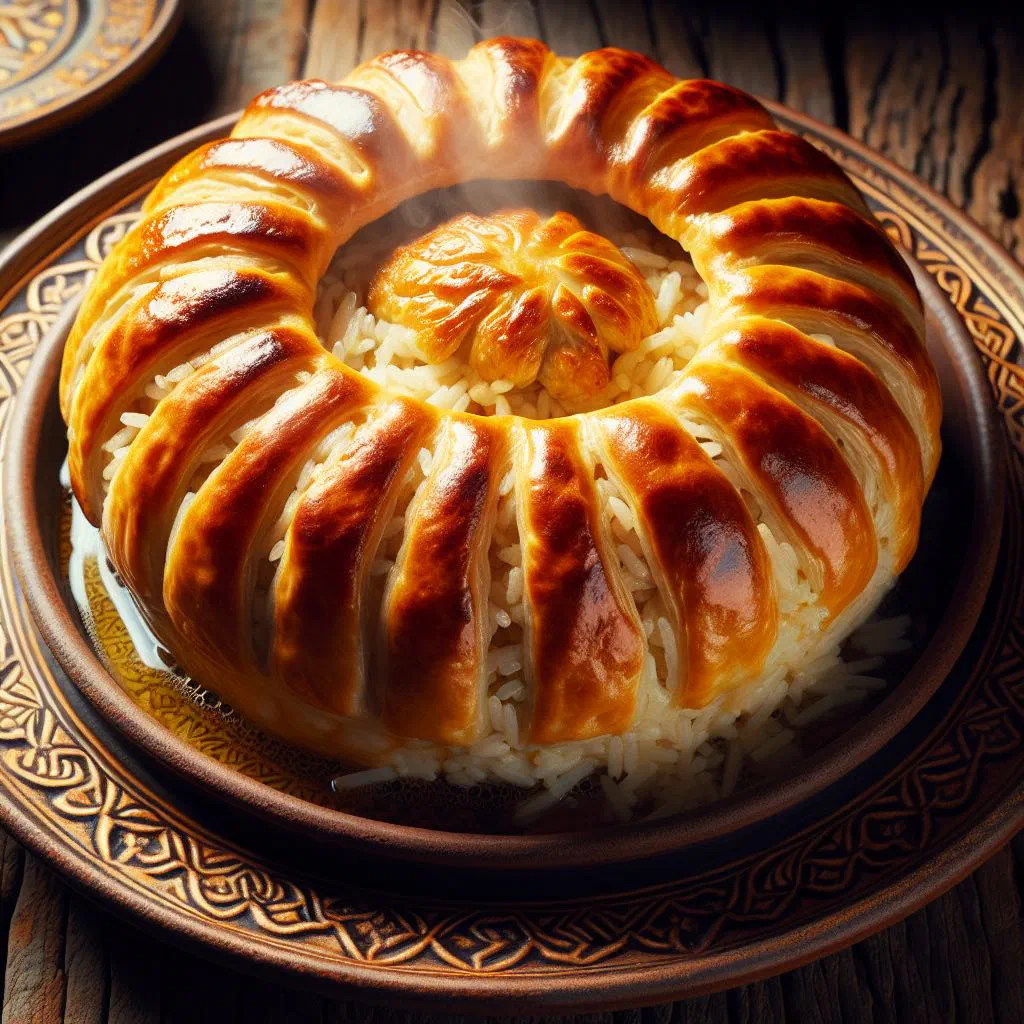
Meet Perde Pilavı, a showstopping Turkish dish that hides a fragrant filling of rice and meat beneath a beautifully golden, crisp pastry dome. Traditionally reserved for weddings and celebrations, this layered classic has earned a place at everyday tables too. With warm spices, tender meat and a buttery crust, it is the kind of dish that turns an ordinary meal into an occasion, a glorious centrepiece straight from the heart of Turkish cuisine.
About Perde Pilavı
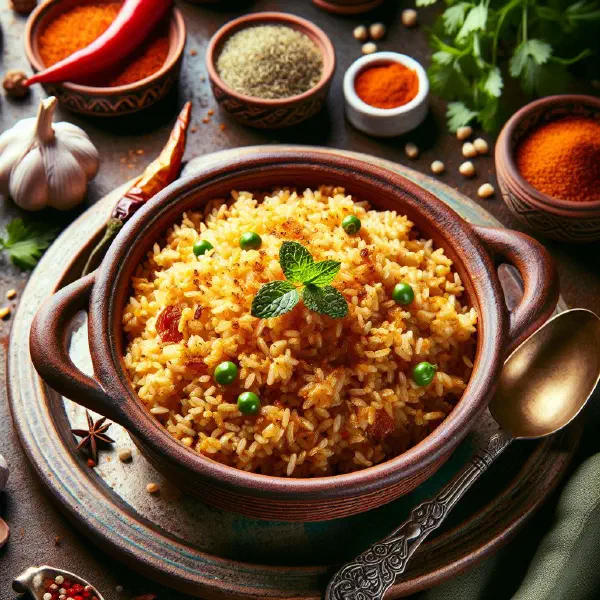
Perde Pilavı is a traditional Turkish dish that stands out for its unusual method of preparation and its delicious pairing of rice and meat. The delicate flavours shine through in the filling and in the crisp pastry shell that wraps the whole thing. This festive dish is often served on special occasions, yet it has firmly carved out a place in everyday life as well. The variety of ingredients and the skilful use of spices make Perde Pilavı a genuine treat.
Ingredients (serves 1–2)
- 200g rice
- 150g chicken or lamb
- 1 onion
- 1 carrot
- 2 tablespoons butter
- 1 teaspoon cinnamon
- 1 teaspoon cumin
- Flour for the pastry
- 1 egg
- Salt and pepper, to taste
Shopping for the ingredients
To make Perde Pilavı successfully, it is important to choose the right ingredients. Your best bet is to visit a local Turkish grocery for fresh, high-quality produce. Pay particular attention to the quality of the rice, as it is crucial to the texture of the finished dish. The quality of the meat, too, can make a real difference to the overall flavour, so it is worth seeking out the best you can find.
Preparing the dish
Preparing Perde Pilavı can be straightforward if you follow the right steps. Begin by washing the rice thoroughly and soaking it so that it reaches the ideal consistency when cooked. While the rice soaks, chop the vegetables and meat into small pieces and have your spices ready. This bit of groundwork keeps the cooking process running smoothly and helps you achieve a perfect result.
Step-by-step instructions
- Heat the butter in a pan and sauté the onion and carrot until soft.
- Add the meat, cut into small pieces, and brown it well.
- Stir in the pre-soaked rice and combine it thoroughly with the meat.
- Season with cinnamon, cumin, salt and pepper, then let everything rest briefly so the flavours mingle.
- Make the pastry by mixing the flour with water and egg until you have a smooth dough.
- Roll out the dough and shape it to fit a suitable mould for the dish.
- Spoon the rice and meat mixture into the pastry shell and seal it well.
- Bake in a preheated oven at 180°C for around 30–40 minutes, until the pastry is golden brown.
Gluten-free / lactose-free version
To make Perde Pilavı gluten-free, simply use gluten-free flour for the pastry. This is an easy adaptation that lets anyone with a gluten intolerance enjoy this wonderful dish. For a lactose-free version, swap in lactose-free butter or a plant-based alternative. That way, nothing stands between you and the full enjoyment of Perde Pilavı.
Tips for vegans and vegetarians
Perde Pilavı is easy to adapt for vegans and vegetarians. Instead of meat, use a selection of vegetables such as mushrooms, courgette or peppers. These not only make for a hearty filling but are also an excellent source of vitamins and minerals. Cook the rice in vegetable stock to add an extra layer of flavour, much as you would for a comforting bowl of Şehriyeli Tavuk Çorbası.
More tips and tricks
To deepen the flavour of Perde Pilavı even further, add herbs such as thyme or parsley for a fresh, aromatic lift. Another tip worth following is to toast the rice in stock before folding it into the filling. This gives the dish a particularly fragrant, satisfying character and helps every grain stay distinct.
Adapting the recipe to your taste
Everyone has their own preferences when it comes to Perde Pilavı. Experiment with different spices and ingredients to shape the dish around your own palate. You might add warm spices such as garam masala, or enrich the filling with toasted nuts like pine kernels or almonds.
Ingredient substitutions
If you do not have every recommended ingredient to hand, there are plenty of alternatives for Perde Pilavı. Instead of chicken or lamb, you could use beef or even tofu. The rice can be swapped for quinoa or couscous, depending on your preference. You can also be inventive with the spices, trying new combinations, the same spirit of adaptation that makes a dish like Sarma so rewarding to cook.
Drink pairing ideas
A wide range of drinks suits Perde Pilavı and brings out the dish’s flavours. A glass of Turkish tea or refreshing ayran, a chilled yoghurt drink, pairs beautifully with the spiced filling. Wine lovers might reach for a light red that complements the warm spices, while a little sparkling water with lemon offers a crisp way to refresh the palate between bites.
Serving and presentation ideas
Presentation can make a big difference to the enjoyment of Perde Pilavı. Serve it as part of a generous spread or on decorative ceramic dishes to honour its traditional roots. A scattering of fresh herbs or edible flowers makes an attractive garnish. Remember to serve the dish straight from the oven, while the pastry is still warm and crisp, for the best possible effect.
A bit of history
Perde Pilavı has its origins in the festive cooking traditions of Turkey, and is especially associated with the city of Siirt. It was historically prepared for weddings, holidays and other special occasions. The pairing of rice and meat wrapped in a pastry shell reflects the culinary creativity and richness of the Turkish table. Over the years, Perde Pilavı has grown into a much-loved dish for everyday life too, winning admirers with its distinctive flair.
More recipe ideas
Summary: Perde Pilavı
All in all, Perde Pilavı is far more than just a main course. It unites tradition, creativity and extraordinary flavour in every bite. Experiment with the ingredients and adapt it to your own preferences, your taste buds will thank you for it.