National Dish Turkey: Pide (Recipe)
In this article
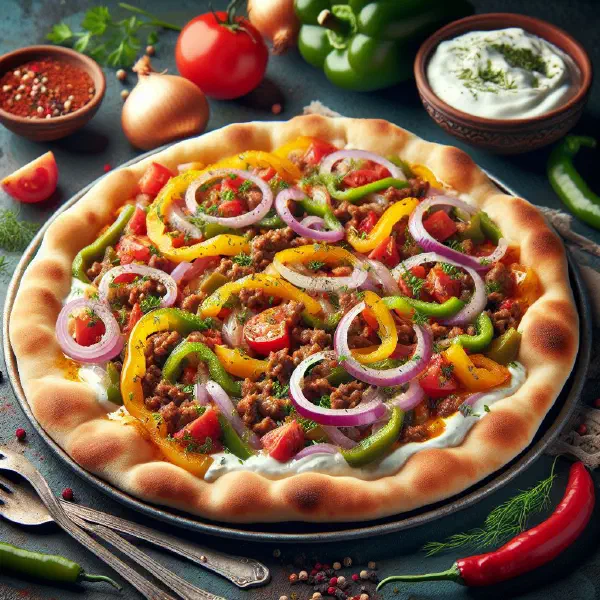
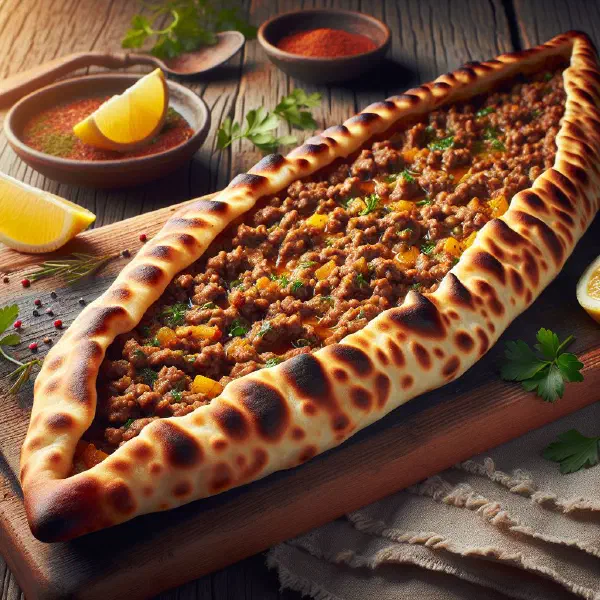
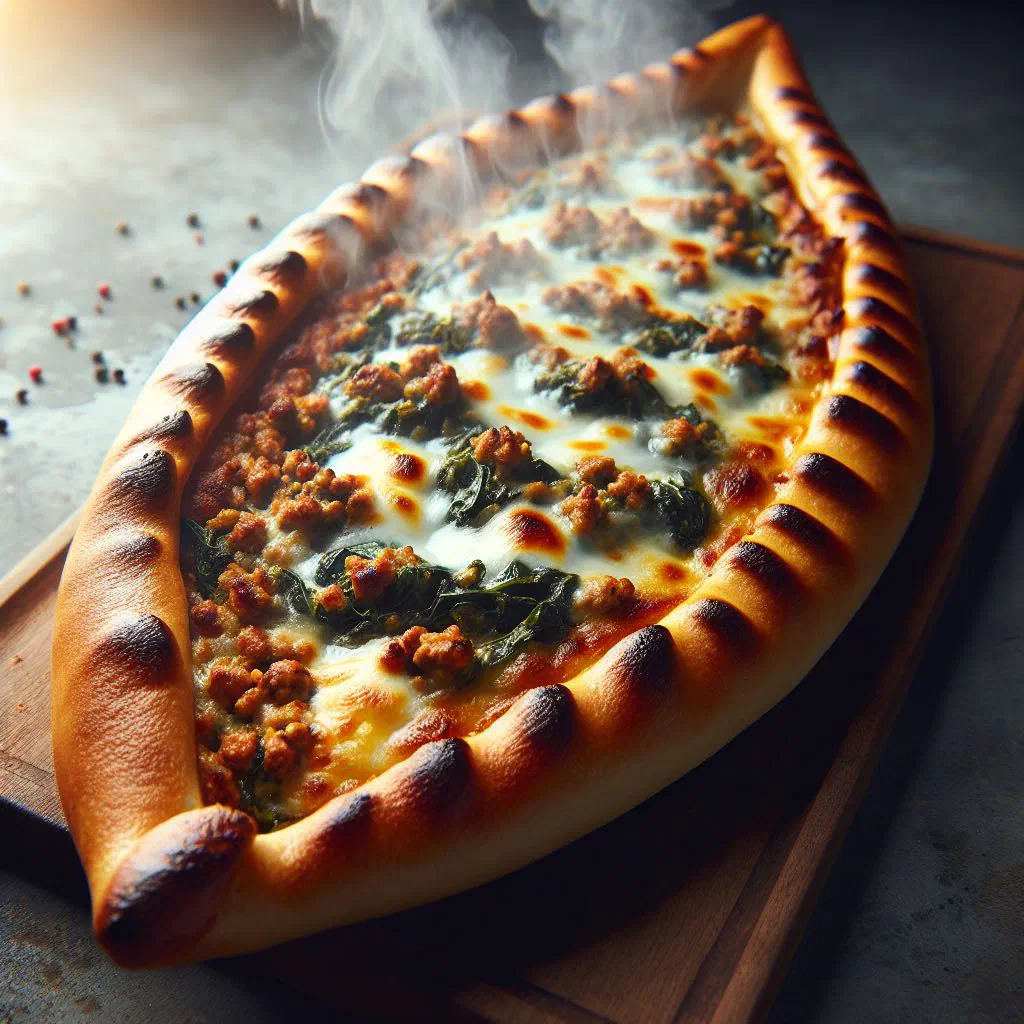
Meet Pide, the boat-shaped flatbread often dubbed Turkish pizza, and one of the most beloved dishes to come out of Turkey. Pillowy-soft dough is rolled out, heaped with a savoury filling, pinched into its signature canoe shape and baked until the crust turns golden and crisp. From spiced minced meat to molten cheese and fresh vegetables, the toppings are endlessly variable, which is exactly why this Anatolian classic has won fans far beyond its homeland. Bring a little of that bakery aroma into your own kitchen.
About Pide
Pide, often called Turkish pizza, is a traditional flatbread topped with a variety of ingredients and baked in a hot oven. Its origins reach back to antiquity, and it ranks among the national dishes of Turkey, with a long and storied place in the country’s cooking thanks to its many regional versions. What sets pide apart is its distinctive boat shape and the sheer range of possible toppings, from meat and cheese to vegetables. A crisp crust paired with a wonderfully soft, chewy dough has made it a firm favourite for people all over the world.
Ingredients (serves 1–2)
- 250 g plain wheat flour
- 125 ml lukewarm water
- 1/2 cube fresh yeast (about 21 g)
- 1 tsp salt
- 1 tsp sugar
- 2 tbsp olive oil
- 100 g minced beef or lamb mince
- 1 small onion, finely diced
- 1 green pepper, cut into small pieces
- 2 tomatoes, diced
- 100 g grated cheese (e.g. mozzarella or Turkish kasar)
- Parsley, finely chopped
- Salt, pepper and paprika, to season
Shopping for the ingredients
For the best pide, it pays to use fresh, good-quality ingredients. Buy the meat from a local butcher and pick up the vegetables fresh from a market or greengrocer. When it comes to the cheese, look for something that melts well, which is why mozzarella or Turkish kasar work so beautifully here.
Preparing the dish
Make sure all the ingredients are prepped and weighed out before you start on the dough. It makes the whole process far smoother. Take the mince out of the fridge a little ahead of time so it comes closer to room temperature, as this makes it easier to work with and brown evenly.
Step-by-step instructions
- Dissolve the yeast and sugar in the lukewarm water in a bowl.
- Sift the flour and salt into a large mixing bowl and pour in the dissolved yeast.
- Knead everything by hand into a smooth dough, gradually working in the olive oil.
- Cover the dough and leave it to prove in a warm place for about 30 minutes.
- Meanwhile, brown the mince in a little oil, add the onion and pepper, and keep cooking until the meat is cooked through. Stir in the tomatoes and season with salt, pepper and paprika.
- Knead the dough again, divide it into two equal pieces and roll each one out into an oval flatbread.
- Spread the minced meat mixture over the flatbreads, leaving a border around the edge.
- Scatter the grated cheese over the meat and sprinkle with a little parsley.
- Fold the edges of the dough lightly over the filling to create the typical pide shape.
- Bake in a preheated oven at 200°C (conventional heat) for about 20 minutes, until the pide is golden brown.
Gluten-free / lactose-free version
Pide adapts well to a gluten-free diet: simply swap the wheat flour for a good gluten-free flour blend so anyone with a gluten intolerance can enjoy it too. For a lactose-free version, leave out the dairy cheese in favour of a plant-based alternative that melts. With these small tweaks, this Turkish favourite can be shared at any table without anyone missing out.
Tips for vegans and vegetarians
Pide is easy to make vegetarian by leaving out the meat and topping it instead with spinach and feta, or a colourful mix of grilled vegetables. For a vegan version, replace the cheese with a plant-based alternative and skip any animal products in the filling. Fresh vegetables and herbs do a lot of the flavour work here, so this flatbread stays just as satisfying whichever way you make it.
More tips and tricks
To get an extra-crisp finish, brush the dough edges with a little water or quickly mist the baking tray with water at the start of baking to create steam in the oven. This little trick gives the crust that bakery-style snap while keeping the inside soft and tender.
Adapting the recipe to your taste
The beauty of pide is how readily it changes to suit your mood. Make it vegetarian with spinach and feta, or go all out for meat lovers with sucuk (Turkish garlic sausage) and an egg cracked on top. The topping options are very nearly endless, so you can treat the dough as a blank canvas every time you bake.
Ingredient substitutions
If you can’t tolerate certain ingredients or they simply aren’t to hand, there are plenty of swaps. Spelt flour or a gluten-free blend can stand in for wheat flour, while chicken or turkey mince works just as well as beef or lamb. You can also go meat-free altogether with tofu or finely chopped vegetables, the same kind of generous, leaf-wrapped filling that defines Sarma.
Drink pairing ideas
Something light and refreshing balances such a savoury, full-flavoured dish best. A cold glass of ayran (the Turkish yoghurt drink) is the classic match, while a glass of light white wine also rounds things off nicely. For a sweet finish afterwards, a fruity Vişne Kompostosu makes a lovely palate-cleanser.
Serving and presentation ideas
Serve the pide fresh from the oven on a rustic wooden board and garnish with fresh parsley or a small side salad. This gives it an attractive, appetising look that invites everyone to tuck in straight away. Cut into wide slices, it is perfect for sharing, and a few simple sides turn it into a generous spread.
A bit of history
The story of pide reaches back to Ottoman times. It was traditionally served during Ramadan, but over the years it has grown into a much-loved dish right across Anatolia and well beyond. Its enduring popularity speaks to the warmth and versatility at the heart of Turkish cuisine, where simple ingredients are transformed into something to gather around.
More recipe ideas
Summary: Pide
Pide is a versatile, delicious dish from the Turkish kitchen that suits all kinds of occasions and adapts easily to every taste. With this recipe you can bring a piece of Turkish food culture into your own home and impress your guests with a golden, freshly baked flatbread. Give it a go, and let this Anatolian classic become a regular on your table.