National Dish Turkey: Pide with Minced Meat (Recipe)
In this article
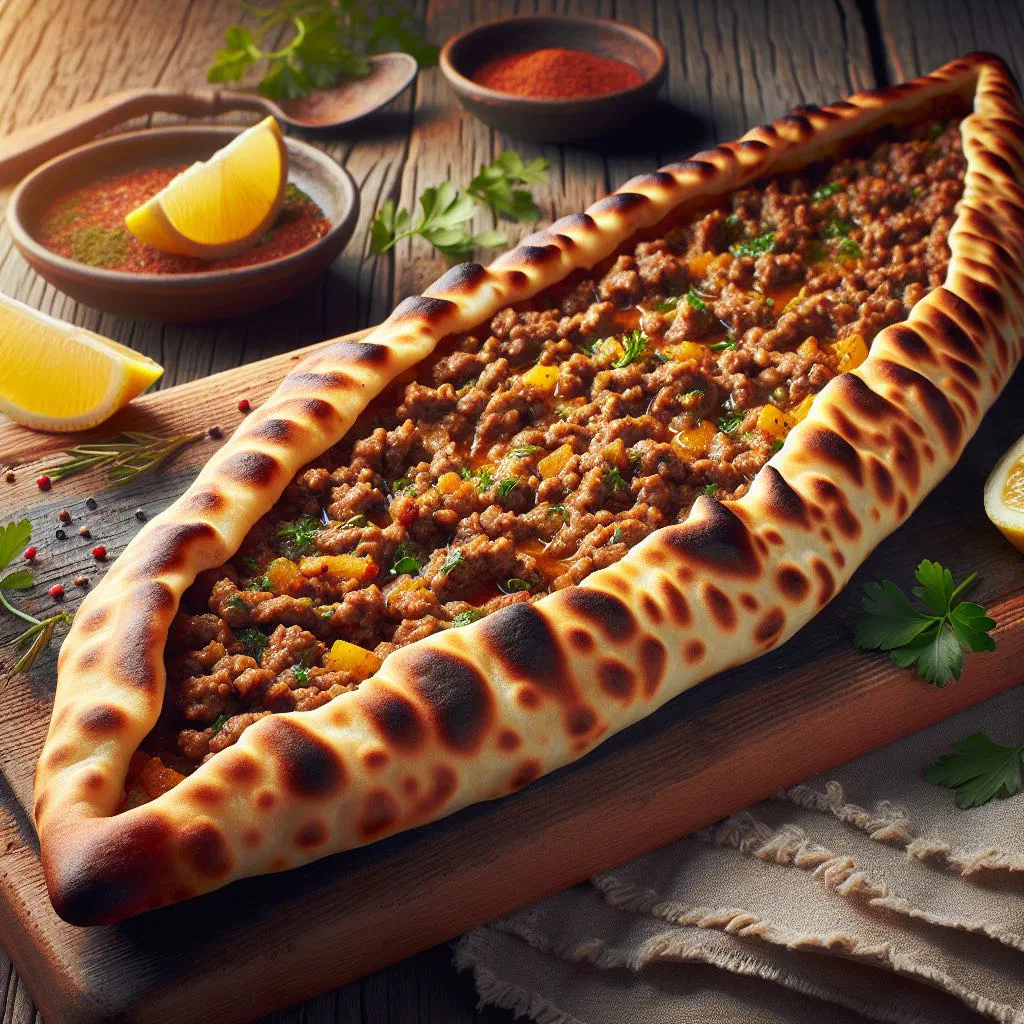
Say hello to Pide, the boat-shaped Turkish flatbread that turns a simple yeast dough into something special. Tender yet crisp around the edges, it cradles a savoury filling of minced meat, onions and warm spices that fills the kitchen with the aromas of a busy Anatolian bakery. Traditionally shared among friends and family, pide is a wonderful symbol of Turkish hospitality, and it is far easier to make at home than you might think.
About Pide
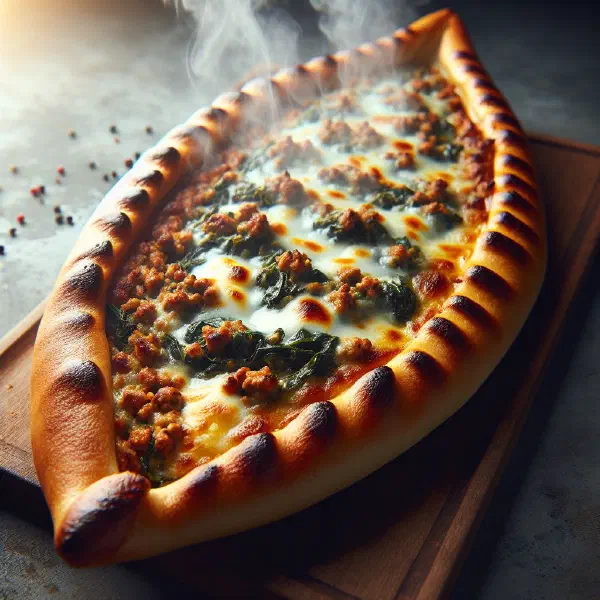
Pide is a traditional Turkish dish, often served with a variety of fillings and instantly recognisable by its boat-like shape, which makes it as pleasing to look at as it is to eat. The dough is at once tender and crisp, while a filling of minced meat, onions and spices delivers a memorable taste. Pide is usually enjoyed in good company, and it is a warm symbol of the generous spirit of Turkish hospitality.
Ingredients (serves 1–2)
- 250 g plain flour
- 125 ml warm water
- 7 g dried yeast
- 1 tsp sugar
- 1 tsp salt
- 1 tbsp olive oil
- 200 g minced meat
- 1 onion, finely chopped
- 1 tsp black pepper
- 1 tsp paprika
- 1 egg, for glazing
Shopping for the ingredients
To make pide, it is well worth choosing fresh, good-quality ingredients. The plain flour forms the base of the dough, while the minced meat should be of the best possible flavour and quality. The spices, meanwhile, are crucial to the character of the dish. Visit a local market or a well-stocked grocery to find the finest produce, and you will taste the difference in the finished bread.
Preparing the dish
Before you start cooking, it pays to prepare all of your ingredients properly. Measure out the quantities you need and make sure everything is ready to hand. This keeps the whole process running smoothly and means you will not forget a single step. Chopping the onions and mixing the spices are equally important parts of this stage, so take your time and set yourself up well.
Step-by-step instructions
- In a bowl, combine the dried yeast with the warm water and sugar, then leave to rest for 10 minutes.
- Add the flour and salt and knead everything into a smooth dough.
- Brush the dough with olive oil, cover it, and leave it to rise in a warm place for about 1 hour.
- For the filling, fry the minced meat and onions in a pan, season with the spices and leave to cool briefly.
- Roll the dough out on a floured surface and shape it into a boat.
- Spread the filling evenly over the dough and fold up the edges to create the classic shape.
- Brush with the beaten egg and bake in a preheated oven at 200°C for about 15–20 minutes.
Gluten-free / lactose-free version
For a gluten-free version, use a special gluten-free flour in place of the regular plain flour. Make sure the yeast is gluten-free too, so the dish is fully suitable for anyone with a gluten intolerance. Those who are lactose intolerant can generally leave out the egg glaze or swap it for a plant-based alternative. It is worth checking that any colourings or other additives are also lactose-free, to avoid any unwanted reactions.
Tips for vegans and vegetarians
For a vegan version of pide, you can replace the minced meat with a mix of ground nuts, pulses or a dedicated plant-based meat alternative. Remember to swap the egg glaze for a plant-based milk or a fruit purée. A variety of vegetables such as spinach or mushrooms lets you get creative with the filling and adapt it to your taste. Play around with the spices to bring out an even more delicious flavour. The same spirit of clever substitution turns up in dishes like Sarma, where vine leaves wrap a fragrant filling.
More tips and tricks
To achieve the perfect dough, knead it thoroughly so it becomes properly elastic. A good resting time is essential for developing the flavour. Adding a mix of fresh herbs will lift the aroma even further. Baking on a pizza stone can give the base extra crispness and make the whole dish feel that bit more authentic.
Adapting the recipe to your taste
The fillings for pide are easy to adjust to your own preferences. Try different types of meat, or combine several kinds of vegetables. The spices can vary too, a little cumin or chilli can give the dish a lovely kick. Be bold and create your own personal favourite version of this classic flatbread.
Ingredient substitutions
If you do not have certain ingredients to hand, there are plenty of alternatives. Instead of beef mince, you could use chicken mince or a plant-based option. The olive oil can be replaced with sunflower or rapeseed oil if needed. The spices, too, can be varied to suit your taste, so feel free to let your creativity run free.
Drink pairing ideas
Pide goes beautifully with a cold beer or a light, reddish wine that harmonises with its savoury flavour. For alcohol-free options, ayran, a traditional yoghurt drink, or sparkling water make ideal partners. You could also draw on Turkey’s rich tea culture with a glass of black tea for a truly authentic experience. Experiment with different drinks to round off your meal.
Serving and presentation ideas
To serve pide attractively, arrange it on a large platter and garnish with fresh herbs. Set out small bowls of yoghurt or chilli oil so everyone can dip and share, making the meal feel interactive. Offer the pide whole and let your guests tear off their own portions to encourage that convivial atmosphere. A pretty table setting makes the whole spread all the more inviting, much as it does with a generous spread of Midye Dolma.
A bit of history
Pide has its roots in the Ottoman kitchen and is one of the best-known specialities of Turkish gastronomy. It was originally prepared by nomads and farmers in Anatolia before spreading right across the country over time. The different regions have developed their own variations, often reflecting local ingredients and cooking techniques. Pide is a living part of Turkish culture and tradition, and a fine showcase of Turkey cuisine.
More recipe ideas
Summary: Pide with Minced Meat
Making Pide with Minced Meat offers an exquisite taste experience and a deeper connection to Turkish culture. Pide remains a much-loved treat for every occasion. Bring a little piece of Turkey into your kitchen and enjoy this wonderful dish.