National Dish Turkey: Tahinli Pide (Recipe)
In this article
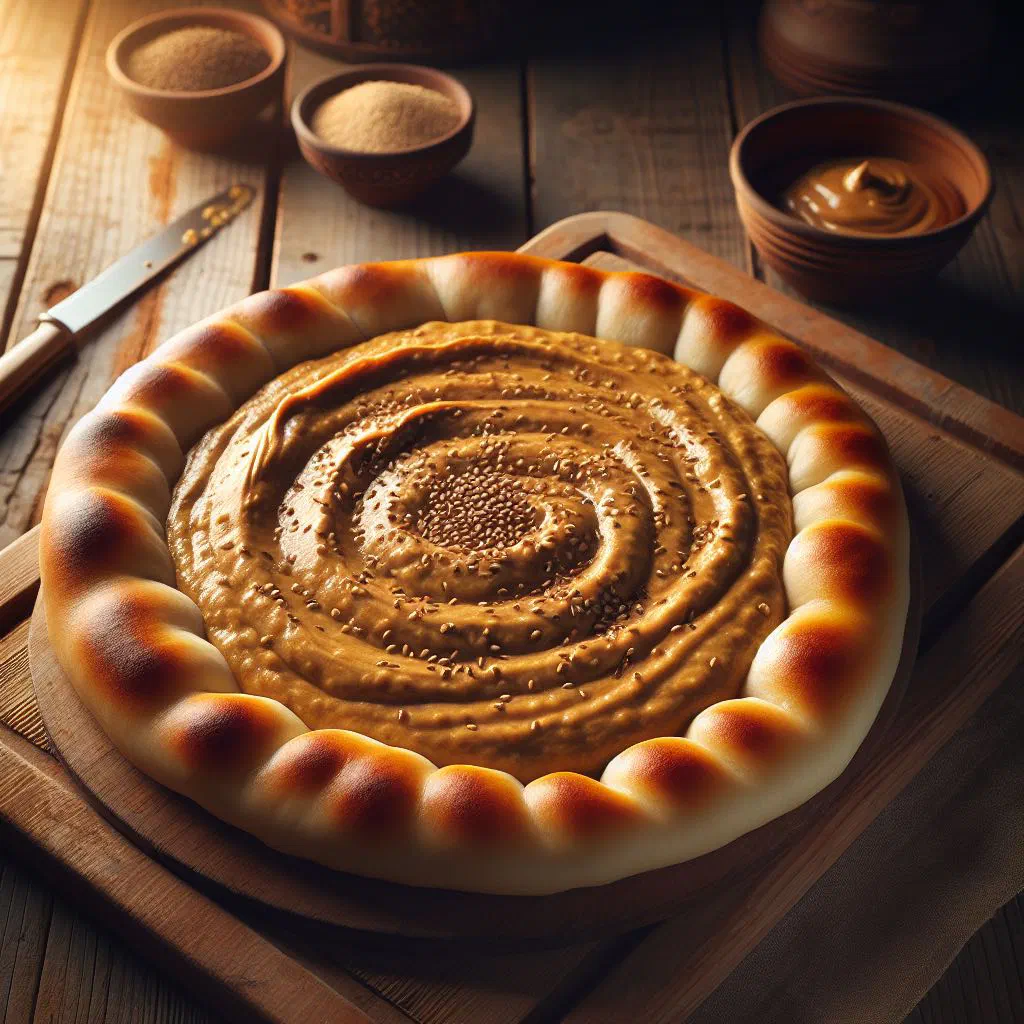
Meet Tahinli Pide, a wonderfully fragrant flatbread that sits at the very heart of Turkish home cooking. Soft, golden dough is spread with a creamy blend of tahini, garlic and fresh herbs, then baked until the edges turn crisp and the kitchen fills with a nutty, savoury aroma. This is the kind of dish that brings a smile to everyone at the table.
About Tahinli Pide
Tahinli Pide is a delicious national dish of Turkey with deep roots in the country’s everyday cooking. These savoury flatbreads are defined by their creamy filling of tahini, garlic and a handful of fresh herbs, all baked into a soft, golden base. The harmony of flavours makes Tahinli Pide a memorable treat for the senses. Served as a starter or as a main course, it is a dish that never fails to please.
Ingredients (serves 1–2)
- 250 g pizza dough
- 100 g tahini
- 2 cloves garlic, crushed
- Fresh parsley
- Salt and pepper, to taste
- Olive oil
Shopping for the ingredients
The ingredients for Tahinli Pide are easy to find in most supermarkets or Turkish delicatessens. Tahini, a paste made from sesame seeds, is the main component of the filling and can often be found in the international or Asian section. Fresh herbs such as parsley are just as important and should be bought fresh, as they lift the aroma of the dish considerably. Be sure to pick up a good-quality olive oil too, so you get the very best from your pide.
Preparing the dish
Before you start cooking, the pizza dough needs to be made ready. It is important to let the dough prove well so that it turns light and airy. While it rests, you can get the rest of the ingredients prepped: crush the garlic and finely chop the parsley to draw out their full flavour. Once everything is to hand, you are ready to begin.
Step-by-step instructions
- Preheat the oven to 220°C.
- Roll the pizza dough out thinly and cut it into two equal flatbreads.
- In a bowl, combine the tahini, crushed garlic, chopped parsley and seasoning.
- Spread the mixture evenly over the flatbreads.
- Fold the edges of each flatbread up slightly so the filling does not escape.
- Brush the flatbreads with olive oil and bake for around 15 to 20 minutes, until golden brown.
- Serve warm and garnish with fresh herbs to taste.
Gluten-free / lactose-free version
For a gluten-free version of Tahinli Pide, swap the standard pizza dough for gluten-free flour or use a ready-made gluten-free flatbread. The filling stays exactly the same, as tahini and fresh herbs are naturally gluten-free and lactose-free. When buying tahini, check that it contains no added fillers. This makes the dish an excellent choice for anyone with food intolerances.
Tips for vegans and vegetarians
Tahinli Pide is naturally vegan, as it contains no animal products at all, which also makes it a perfect option for vegetarians. To deepen the flavour even further, you can add a few mixed vegetables such as peppers or spinach. This boosts the nutritional value and brings an attractive splash of colour to the plate.
More tips and tricks
Experiment with the herbs. Alongside parsley, you can stir other herbs such as coriander or dill into the filling to give the dish a fresh new note. Timing is everything when baking. Keep a close eye on the flatbreads so they brown evenly without catching.
Adapting the recipe to your taste
The recipe for Tahinli Pide is easy to tailor to personal preference. If you like a bit of heat, add a pinch of chilli powder or some freshly chopped chillies to the filling. You can also adjust the consistency of the filling to suit yourself by using a little more or less tahini. Feel free to invent your own combinations until the dish hits exactly the right note for you.
Ingredient substitutions
If you do not have tahini to hand, you can use peanut butter or soya yoghurt as the base of the filling instead. These alternatives offer a similar consistency and give the dish an interesting twist. You can experiment with the herbs too, basil or thyme may bring unexpected but tasty results. Keep an eye out for seasonal ingredients as well, to keep your Tahinli Pide fresh and exciting every time. A creamy tahini base also feels right at home next to a rich Kuzu Kapama.
Drink pairing ideas
A range of drinks pairs beautifully with Tahinli Pide. A classic Turkish tea or a refreshing yoghurt drink such as ayran are traditional accompaniments. If you prefer something lighter, mild fruit juices or sparkling water with lemon are also a fine choice.
Serving and presentation ideas
To present Tahinli Pide attractively, arrange it on a large platter and garnish with fresh herbs. Use colourful vegetables as a side to create an inviting palette of colour. It is also worth setting out small bowls of different dips or sauces, giving guests the option to finish their flatbreads just the way they like. A thoughtful presentation can enrich the dining experience enormously, much as it does with the stuffed mussels of Midye Dolma.
A bit of history
Tahinli Pide has its roots in the rich tradition of Turkish cuisine, shaped over the centuries by a host of cultures and influences. The use of tahini in Turkey can be traced back to antiquity, when sesame was an important food source. Pide itself is a traditional style of flatbread, widely enjoyed across Turkey and the Middle East. This dish reflects the versatility and abundance of Turkish cooking, and its appeal reaches far beyond the country’s borders.
More recipe ideas
Summary: Tahinli Pide
Tahinli Pide is a good and versatile dish from Turkey. With its combination of tahini, garlic and fresh herbs, it offers a flavour experience all its own. The possibilities are endless. Let the warmth of Turkish hospitality inspire you and enjoy the culinary treasures this flatbread has to offer.