National Dish Turkmenistan: Keshkek (Recipe)
In this article
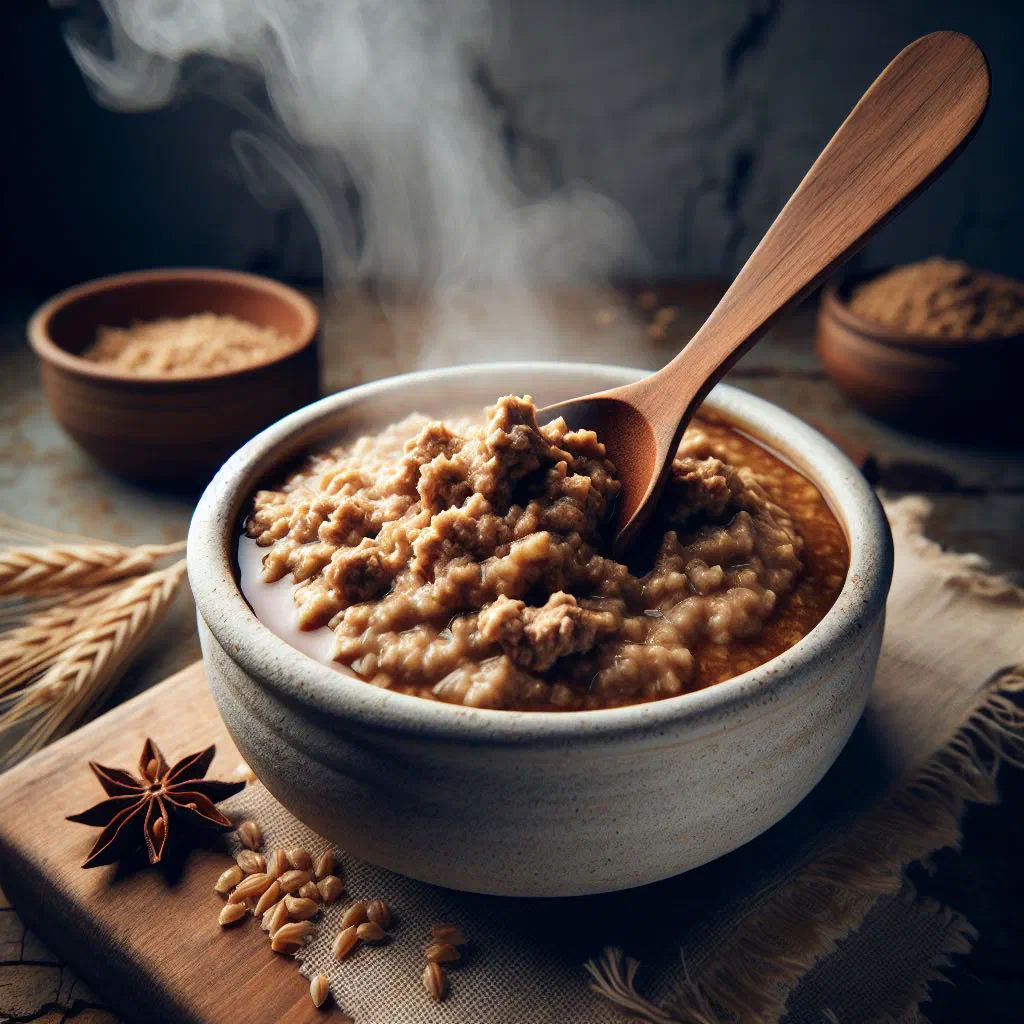
Meet Keshkek, a soulful, slow-cooked classic at the heart of Turkmen and Central Asian cooking. Tender meat is simmered for hours with cracked wheat until the two melt together into a wonderfully creamy porridge that comforts and satisfies in equal measure. Traditionally cooked in generous quantities for weddings and holidays, it is a dish made for sharing, a warm invitation that brings people and cultures together around one big bowl.
About Keshkek
Keshkek is a traditional dish with deep roots in the Turkmen and wider Central Asian kitchen. It is built around cooked wheat and tender meat, most often lamb or chicken, gently simmered until everything softens into one comforting whole. Its creamy texture and rich, full-bodied flavour make it a genuine feast, which is why it so often appears at special occasions such as weddings and festivals. Keshkek is usually prepared in large quantities and made to be shared, fostering a wonderful sense of togetherness between people and cultures.
Ingredients (serves 1–2)
- 1 cup wheat (hulled or unhulled)
- 200 g meat (lamb, chicken or beef)
- 1 onion, finely chopped
- 2–3 cups water or stock
- 1 teaspoon salt
- 1 teaspoon pepper
- 2 tablespoons oil or clarified butter (ghee)
- Fresh herbs, to garnish (such as parsley or dill)
Shopping for the ingredients
The right ingredients make all the difference when cooking keshkek. Visit a local market or a well-stocked supermarket to be sure of fresh wheat and good-quality meat. Organic produce is often a smart choice, as it tends to taste better and carries fewer pesticide residues. Don’t forget to pick up some fresh herbs too, to give the finished dish that final flourish.
Preparing the dish
Preparing keshkek is straightforward, though it does ask for a little time. Begin by soaking the wheat in water overnight to soften it and shorten the cooking time. Cut the meat into even, cube-shaped pieces so it cooks uniformly. It is also worth finely chopping the onion, as it lends the dish an aromatic base that rounds out the flavour of both the wheat and the meat.
Step-by-step instructions
- Drain the soaked wheat and set it aside.
- Heat the oil in a large pot and sauté the onion over medium heat until translucent.
- Add the meat and brown it well until lightly coloured.
- Stir in the wheat along with the water or stock, then season with salt and pepper.
- Bring everything to the boil, reduce the heat, cover and let it simmer gently for about 1–2 hours, until the wheat and meat are tender.
- Stir occasionally to stop it catching on the bottom.
- Garnish with fresh herbs just before serving.
Gluten-free / lactose-free version
Keshkek adapts naturally to a gluten-free table. In place of wheat you can use gluten-free grains such as quinoa or rice, both of which still deliver a lovely creamy texture. Just make sure the stock you use is gluten-free as well. As for lactose, any cheese sauce or butter can be swapped for plant-based alternatives, making the dish suitable for anyone with a dairy intolerance.
Tips for vegans and vegetarians
For vegans and vegetarians, keshkek is easily reworked by replacing the meat with pulses such as chickpeas or lentils. These provide protein and lend a hearty texture. Swap the meat stock for vegetable stock, and to enrich the flavours further, add some seasoned vegetables like carrots or peppers.
More tips and tricks
When cooking keshkek, patience is everything, the longer it simmers, the better it becomes. Experiment with different spices, or add ingredients like nuts or dried fruit to create interesting flavour combinations. A squeeze of lemon just before serving lifts the dish with a fresh note that brings all the aromas together in harmony.
Adapting the recipe to your taste
Keshkek is an extremely flexible recipe that you can easily tailor to your personal preferences. If you want a more intense flavour, reach for smoked meat or add some sausage. For a milder version, simply cut back on the spices. The choice of meat can vary too, giving you the option of game or poultry as well. For a similar hearty, meat-and-grain celebration dish, take a look at Beshbarmak.
Ingredient substitutions
If you don’t have particular ingredients to hand, there are plenty of alternatives that keep the dish every bit as delicious. Instead of lamb you can use beef or pork, while the wheat can be swapped for bulgur. In place of water, chicken or vegetable stock works beautifully to build more flavour. Feel free to experiment with the ingredients and find your own ideal combinations, much as you might when preparing a rich Govurma.
Drink pairing ideas
A hearty dish like keshkek pairs happily with a range of drinks that underline its flavour. A dry red wine sits well against its savoury character. If you prefer something non-alcoholic, a fresh grenadine mix or minty lime water makes a refreshing companion. Teas such as chamomile or mint are thirst-quenching alternatives too, accompanying the meal pleasantly.
Serving and presentation ideas
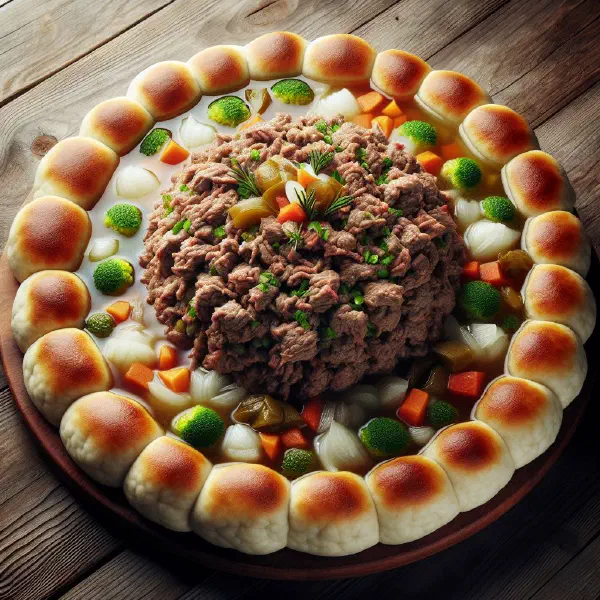
Presenting your keshkek can be simple yet effective. Use a large, shallow dish and decorate it with fresh herbs to create a splash of colour. Serve in rustic bowls to underline the traditional character of the dish. Adding toasted nuts or dried fruit can also help you achieve an appealing, inviting arrangement.
A bit of history
Keshkek has a long and richly traditional history in Turkmen culture, reaching back to nomadic ways of life. The dish was often prepared for celebrations and important occasions, since it takes time to make and is designed to feed large groups. It symbolises togetherness and hospitality and is a firm part of many Central Asian traditions. Today keshkek is enjoyed widely, not only in the Turkmen kitchen but across the wider world of Turkmen cuisine.
More recipe ideas
Summary: Keshkek
Keshkek is without doubt a significant dish in the Turkmen kitchen, winning hearts with its savoury aromas and creamy texture. It is perfect for large celebrations and brings people together, all while forging a connection to the culinary traditions of Central Asia. Whether in its traditional form or with modern tweaks, keshkek remains a much-loved dish that warms both hearts and bellies. Let its many possibilities inspire you, and savour the flavours this remarkable dish has to offer.