National Dish Turkmenistan: Kurut (Recipe)
In this article
Discover Kurut, one of Turkmenistan’s most enduring traditional snacks. These small, hard balls of dried yoghurt carry a sharp, tangy flavour born of natural fermentation, and they have sustained nomadic families across the Central Asian steppe for centuries. Simple to make yet full of character, kurut is a genuine taste of Turkmen hospitality, a little piece of the country you can create right at home.
About Kurut
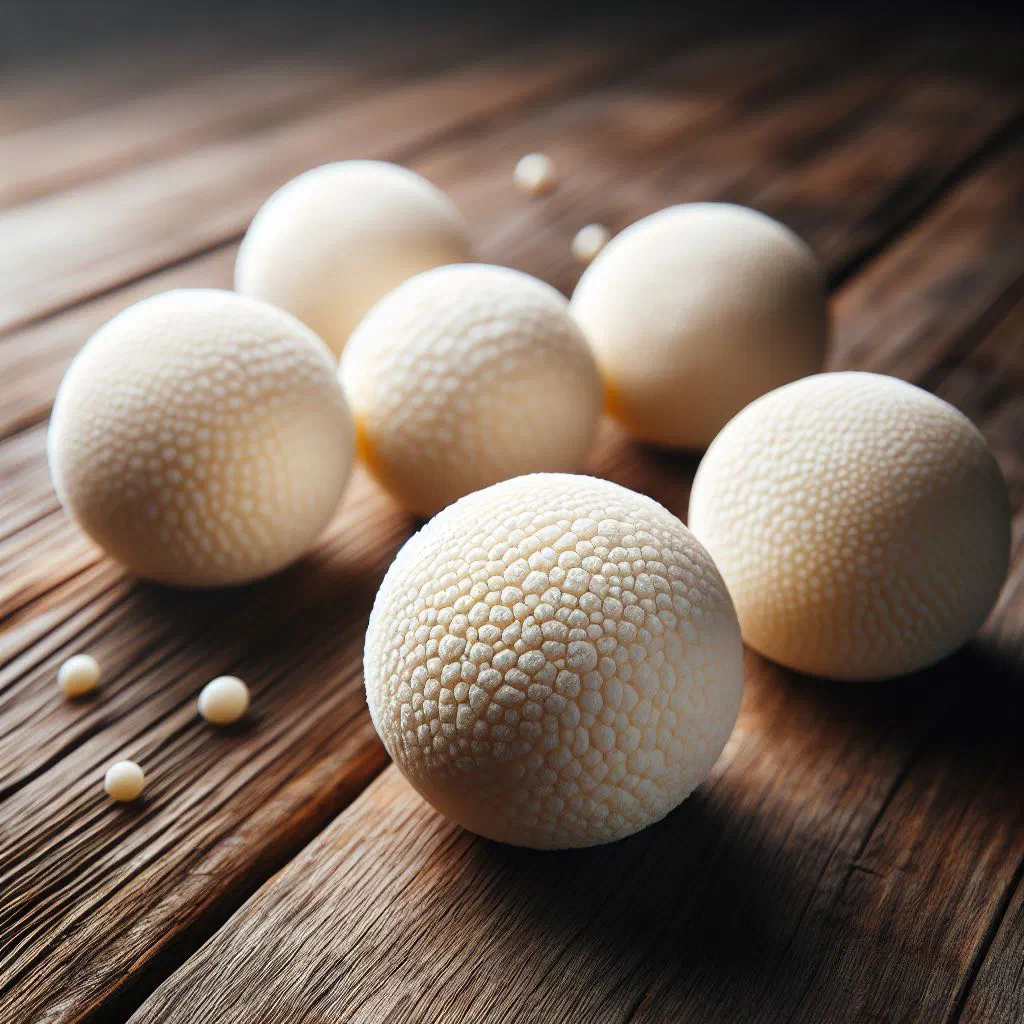
Kurut is a traditional dish from Turkmenistan made from dried yoghurt, and it holds a special place in the country’s culture and way of life. These small, round yoghurt balls are far more than a mere delicacy: they are woven into the rhythm of everyday hospitality. The fermentation of the yoghurt gives kurut its distinctive, tangy taste, unlike anything you will find in a fresh dairy product. Most often enjoyed as a snack between meals, it plays a central role in the warm, generous spirit of Turkmen hosting.
Ingredients (serves 1–2)
- 500 g plain natural yoghurt
- 1 teaspoon salt
- Optional: spices such as caraway or paprika
Shopping for the ingredients
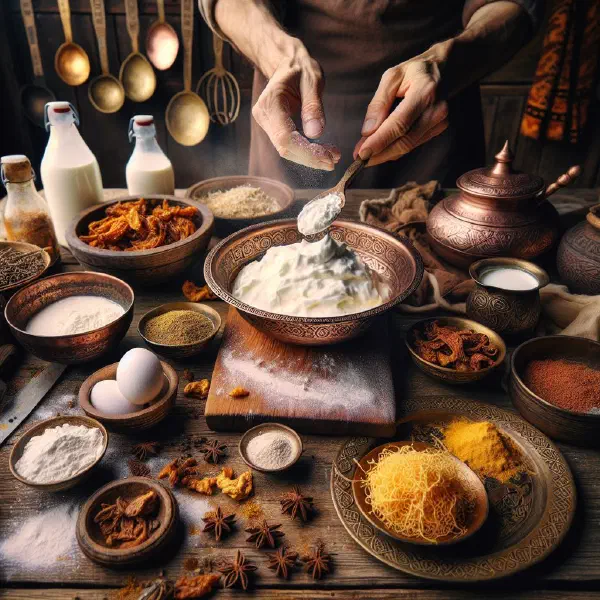
To make Kurut you will need fresh, unsweetened yoghurt. It is important to choose a yoghurt without additives so the authentic flavour comes through clearly. Salt is equally essential, as it both heightens the taste and helps preserve the finished balls. Optional spices such as caraway or paprika can be found in most supermarkets or at a local spice shop, and they lend the dish a particular character all its own.
Preparing the dish
Preparing Kurut is straightforward, though it does call for patience while the yoghurt balls dry. Begin by choosing a suitable spot where the balls can dry over several days, ideally somewhere cool and well ventilated. Make sure the air circulates freely to prevent any mould from forming. The process can also be a pleasant, unhurried activity to share with friends or family, much as it has been passed down through generations.
Step-by-step instructions
- In a bowl, combine the yoghurt with the salt. Add the spices too, if you like.
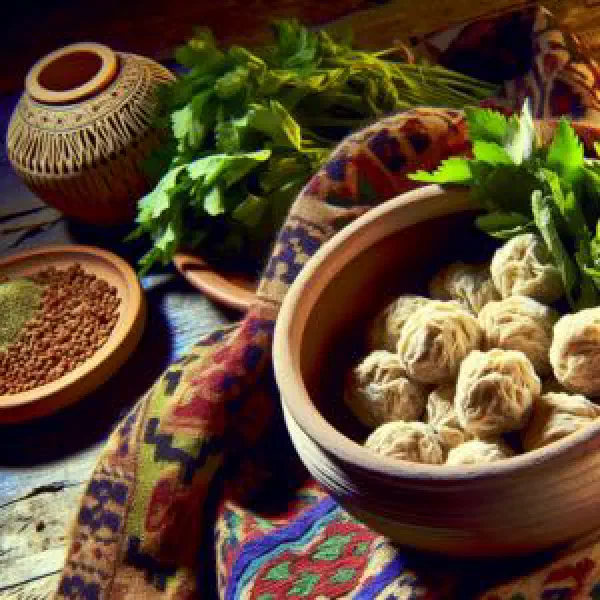
- Using your hands, shape small balls from the yoghurt mixture — about the size of a walnut is ideal.
- Place the shaped balls on a rack or a baking tray lined with a clean cloth.
- Leave the balls to dry in a cool, dry place for 3–4 days, until they are firm and hard.
Gluten-free / lactose-free version
The good news is that Kurut can be naturally gluten-free and lactose-free, provided you use a lactose-free yoghurt. This makes the dish an excellent choice for anyone with a gluten or lactose intolerance. Take care to pick a good-quality lactose-free yoghurt for the best result. That way, even those with dietary restrictions can enjoy the pleasures of this traditional snack. If you like tangy dairy dishes, you may also enjoy Gurtly Gatyk.
Tips for vegans and vegetarians
For vegans, there are easy ways to adapt Kurut. A plant-based yoghurt alternative, such as soya or coconut yoghurt, works well in place of the dairy version. Be sure to choose an unsweetened, firm plant-based yoghurt so both the texture and the flavour hold up during drying. By keeping to the same shaping and drying method, vegans too can enjoy this delicious snack without missing out.
More tips and tricks
To get the best results when drying Kurut, avoid placing the balls too close together. Leaving space between them ensures the air can circulate freely so they dry out evenly. If you live in a humid climate, a fan can help shorten the drying time considerably. It is also worth mixing in different spices during preparation to discover new flavour combinations, in the same spirit as the tangy Cal.
Adapting the recipe to your taste
The recipe for Kurut is easy to tailor to personal preference. Experiment with different spices to vary the taste, or fold in herbs such as dill or parsley for a fresh note. The size of the balls can be adjusted too: smaller ones dry more quickly, while larger balls need a little more time. This flexibility lets you shape the recipe exactly to your own liking.
Ingredient substitutions
If you do not have specific spices to hand, you can turn to other sources of flavour to vary Kurut. Garlic powder or onion powder, for example, add a savoury depth to the snack. You might also blend different types of yoghurt to achieve new textures or tastes. Be creative with whatever you have available, the same resourceful approach that defines much of Turkmen home cooking.
Drink pairing ideas
Kurut is a savoury snack that pairs beautifully with a range of drinks. A cool glass of mineral water or a freshly pressed fruit juice is refreshing and helps balance the salty notes of the dish. For something a touch sweeter, aromatic teas such as mint or hibiscus tea are a lovely choice. A glass of chilled Ayran also makes a wonderfully traditional accompaniment.
Serving and presentation ideas
Presentation matters with Kurut, especially when you are entertaining guests. Serve the dried yoghurt balls on a decorative plate or in an attractive bowl. You can arrange fresh herbs or sliced vegetables around the balls to add a colourful accent. This makes the food more inviting and reflects the generosity of your hospitality.
A bit of history
Kurut has a long tradition in Turkmen culture and is often seen as a symbol of the nomadic way of life. It was originally used as a long-term method of preserving yoghurt, ensuring a reliable source of food even through dry seasons on the steppe. The method of making it has changed little over the years, which is why the dish retains such authenticity. Passed down from one generation to the next, kurut mirrors the history behind Turkmen cuisine.
More recipe ideas
Summary: Kurut
In summary, Kurut is a delicious and culturally significant food of Turkmenistan. Its simple preparation and remarkable versatility make it a memorable snack. Kurut brings the authentic flavour of Turkmenistan to your table. Enjoy the tour and discover the joy of creating this traditional dish at home.