National Dish Turkmenistan: Palow (Recipe)
In this article
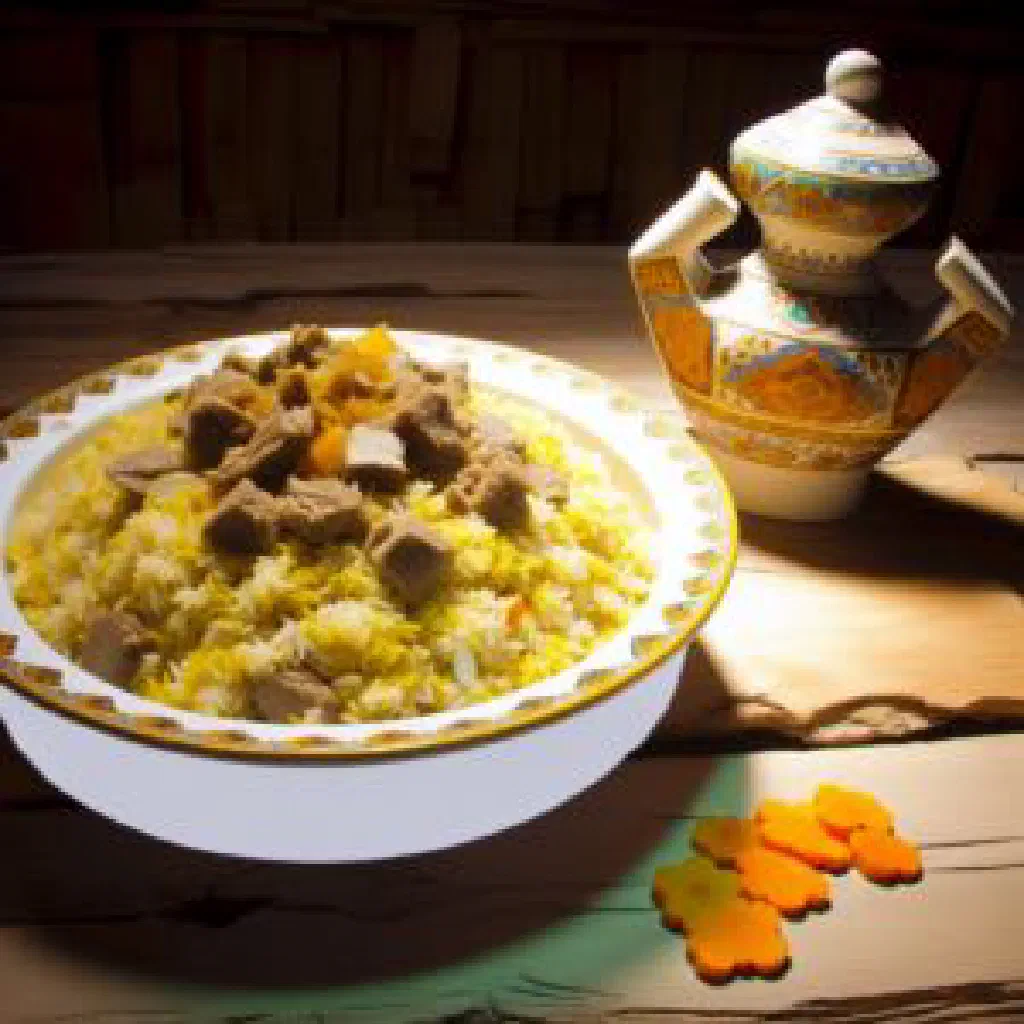
Meet Palow, the celebrated national dish of Turkmenistan and a true centrepiece of Central Asian hospitality. Fragrant basmati rice is simmered together with tender lamb, sweet carrots and a warming blend of spices until every grain is glossy and full of flavour. Preparing it is something of an art, calling for patience and care, and the reward is a generous, sociable dish that brings people to the table. Bring a taste of the Silk Road into your own kitchen.
About Palow
Palow, also known as plov, is a traditional Turkmen dish widely regarded as the country’s national dish. It brings together basmati rice and tender lamb with fresh vegetables and an array of spices that give it its unmistakable character. Cooking palow is an art in its own right, one that rewards both patience and dedication, which is part of what makes the dish so special. It is often served at feasts and celebrations, a reflection of the famous hospitality of the Turkmen people. For more from the region, explore Turkmen cuisine and its many hearty specialities.
Ingredients (serves 1–2)
- 200 g basmati rice
- 300 g lamb (shoulder or loin, for example)
- 1 large onion, diced
- 2 carrots, cut into strips
- 2 cloves of garlic, chopped
- 2–3 tablespoons vegetable oil
- 1 teaspoon cumin
- 1 teaspoon paprika
- Salt and pepper, to taste
- Water, for cooking
Shopping for the ingredients
The ingredients for palow are usually easy to find in Asian grocery shops or a well-stocked supermarket. Choosing the right basmati rice matters most, as it is prized for its long grains and nutty aroma. The lamb should be fresh and tender to give you the best flavour. Spices such as cumin and paprika can often be bought in small packets, and fresh vegetables are best chosen regional and in season wherever possible.
Preparing the dish
Before you begin cooking palow, it is important to rinse the rice thoroughly. This removes excess starch and gives you plumper, fluffier grains once cooked. Cut the lamb into even pieces while you get the vegetables ready. Cutting the carrots into strips is especially worthwhile, as they turn sweet during cooking and make the finished dish look every bit as good as it tastes.
Step-by-step instructions
- Heat the vegetable oil in a large pot and fry the diced onion until translucent.
- Add the lamb and brown it lightly on all sides.
- Stir in the carrots and garlic and mix everything together well.
- Sprinkle in the spices (cumin, paprika, salt and pepper) and fry for a further 2–3 minutes.
- Add the rinsed rice on top and spread it out gently.
- Pour in enough water to cover the rice and bring to the boil.
- Reduce the heat, cover the pot and simmer for 20–25 minutes, until the rice has absorbed the water.
- Before serving, fluff the rice with a fork and adjust the seasoning if needed.
Gluten-free / lactose-free version
Palow is naturally gluten-free and lactose-free, as it is made mainly from rice, meat and vegetables. When choosing your ingredients, simply take care that no gluten-containing extras such as stocks or ready-made mixes creep in. The spices are usually free from gluten too, which makes this dish an excellent choice for anyone with an intolerance. Enjoy it with peace of mind while savouring the hearty flavours of Central Asian cooking.
Tips for vegans and vegetarians
For a vegan or vegetarian take on palow, simply swap the lamb for vegetables or tofu. Courgette, aubergine and peppers are all excellent alternatives that lend the dish welcome variety. Use a plant-based stock to build even more flavour. With the same spices and cooking method you will end up with an equally delicious and nourishing dish that shows off just how versatile this cuisine can be.
More tips and tricks
The art of palow lies in the choice of ingredients and in the cooking technique. Take care not to overcook the rice, as this can turn the dish mushy. One handy trick is to add the water gradually while cooking, so you keep control over the final texture. Be sure, too, to let the rice rest after cooking so it soaks up all the aromas beautifully.
Adapting the recipe to your taste
Palow adapts easily to personal preference. Experiment with different vegetables, or swap the lamb for chicken or beef to discover new flavours, much as you might with a hearty Etli Palaw. The spices can be varied to taste as well; try adding a little cinnamon or saffron to give the dish a special touch. That way you create a unique flavour experience every single time.
Ingredient substitutions
If you do not have some of the ingredients to hand, there are always alternatives you can use. Instead of lamb, chicken, beef or even chickpeas make a fine source of protein. If basmati rice is not available, jasmine rice or another long-grain variety will do the job, just as it does in a comforting Karakum Plov. An equally appealing visual touch comes from adding dried fruit such as raisins or apricots for a hint of sweetness.
Drink pairing ideas
A range of drinks pairs wonderfully with a hearty dish like palow. A cool, refreshing glass of mineral water or a slightly bitter green tea offers the perfect contrast to the rich aromas. For those who prefer an alcoholic option, a light, fruity white wine or a refreshing lager works well. Homemade juices made from pomegranate or apple can round off the meal beautifully, and a cooling glass of Ayran is a natural match too.
Serving and presentation ideas
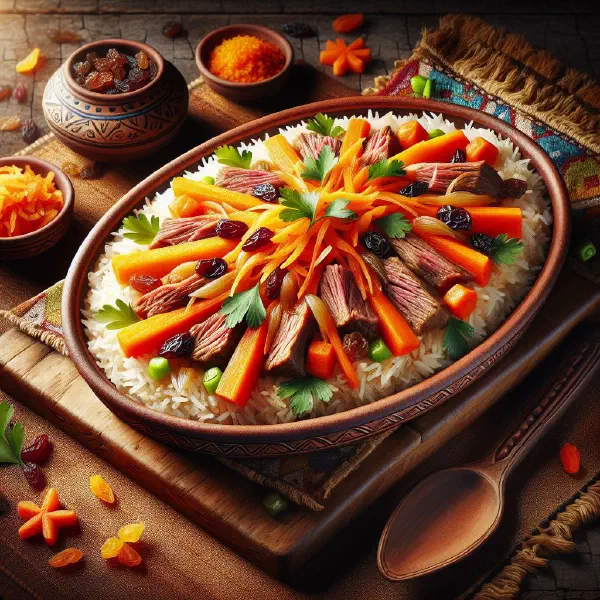
Presentation matters if you want palow to truly shine. Serve the rice in a large bowl and garnish it with fresh herbs such as parsley or coriander to add colour and freshness. Arrange the meat in the centre to draw the eye. A few toasted nuts or pieces of dried fruit as decoration bring extra texture and make the dish all the more inviting.
A bit of history
Palow has a long history that reaches back to ancient Central Asia. It is often thought of as one of the first dishes ever prepared in the region, reflecting the culinary influences of the surrounding lands. The dish is central to social gatherings and festivities: at weddings and on holidays, palow is lovingly prepared to celebrate community and togetherness. It sits proudly alongside other regional favourites such as Beshbarmak and Manty.
More recipe ideas
Summary: Palow
Palow is not merely a dish but a symbol of the cultural identity of Turkmenistan. With a careful choice of ingredients and a traditional method of cooking, it is a treat that appeals to the senses and to the community alike. Whether at a celebration or as part of everyday life, preparing palow is a way to honour the heritage and hospitality of this remarkable country. Bring a touch of Central Asia into your kitchen with this delicious dish and pleasure your friends and family with new flavours.