National Dish Turks and Caicos: Fried Plantains (Recipe)
In this article
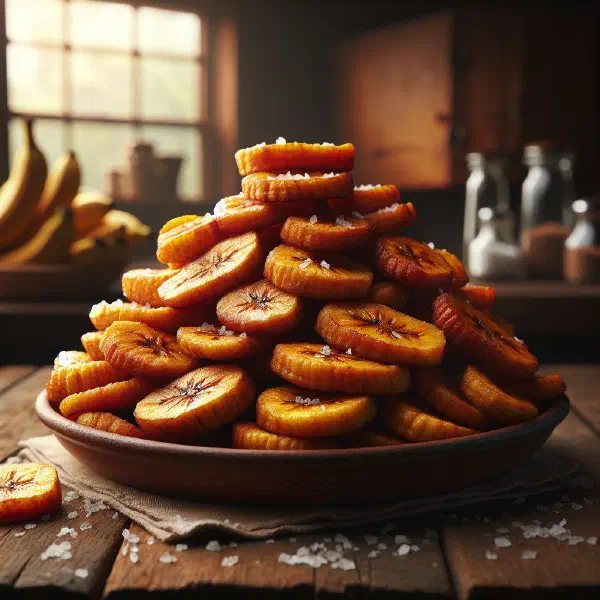
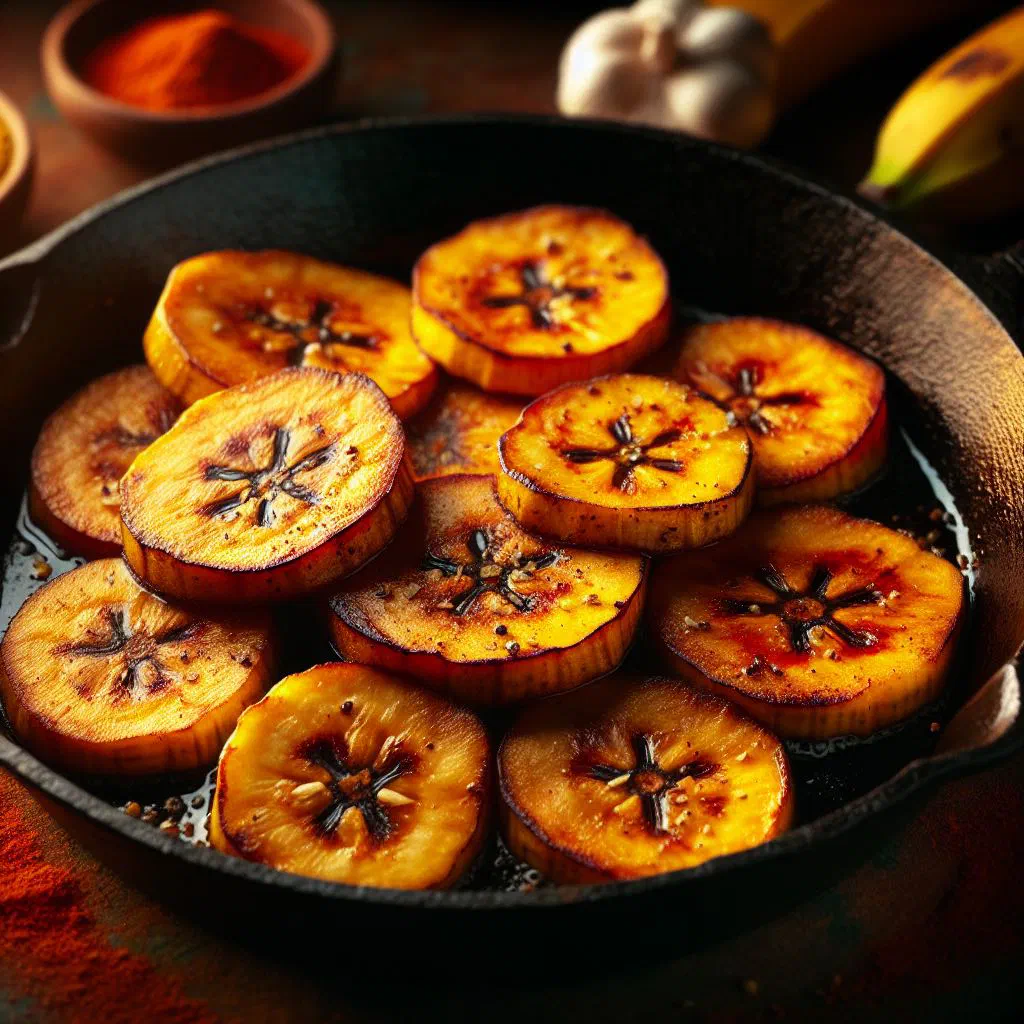
Meet Fried Plantains, the golden, crisp-edged slices that turn up on tables all across the Turks and Caicos Islands. Sweet at the centre, caramelised at the edges and ready in minutes, they work equally well as a side dish beside grilled fish or as a snack eaten straight from the pan. Just three ingredients stand between you and a plate of proper Caribbean sunshine.
About Fried Plantains
Fried Plantains are a traditional dish right across the Caribbean, usually served alongside a spread of other plates rather than on their own. The preparation is straightforward and calls for only a handful of ingredients, which is part of the reason they have stayed so popular. The dish is rooted in Caribbean cooking and reflects the varied flavours of the region, from the islands themselves through to Latin America. They are delicious and a good source of fibre and vitamins.
Ingredients (serves 1–2)
- 2 ripe plantains (green or yellow)
- Oil for frying (vegetable oil works well)
- Salt to taste
Shopping for the ingredients
The ingredients for fried plantains are easy to track down and stocked by most supermarkets. Look for ripe plantains that are lightly yellow or even a little brown-speckled, as these are considerably sweeter than the green ones. When choosing your oil, go for something neutral that copes well with high temperatures. It is also worth exploring local markets for the freshest produce and a proper taste of the variety of Caribbean cooking.
Preparing the dish
Before you start frying, peel the plantains and cut them into even slices. The ideal thickness is around 1–2 cm, which gives you slices that turn beautifully crisp on the outside while staying soft in the middle. To bring the flavour forward, salt the slices lightly and let them rest for a few minutes before they go into the pan. A neatly prepared board makes the frying itself far less rushed.
Step-by-step instructions
- Heat the oil in a frying pan to roughly 180°C.
- Carefully lower the sliced plantains into the hot oil.
- Fry the slices for 2–3 minutes, until golden brown.
- Lift the fried plantains out with a slotted spoon and drain on kitchen paper.
- Sprinkle with salt to taste and serve hot.
Gluten-free / lactose-free version
Fried plantains are naturally gluten-free and lactose-free, which makes them a brilliant choice for anyone with an intolerance. No additional ingredients are needed to meet those dietary requirements. Do take care, though, that no gluten-containing spice blends or marinades sneak in if you decide to season them further. Enjoy this Caribbean staple without a second thought.
Tips for vegans and vegetarians
Fried plantains are a vegan and vegetarian dish, ideal for anyone eating a plant-based diet. Serve the slices with a range of plant-based dips or sauces to make more of them, guacamole or a fiery salsa are both popular pairings, and a spoonful of Mango Salsa is hard to beat. Experiment with different accompaniments to vary the flavour and discover new combinations.
More tips and tricks
Getting the temperature right is the single most important part of frying plantains well. The oil should be hot enough that the slices start to sizzle the moment they hit the pan, but not so hot that they scorch. If you are cooking for a crowd, fry in small batches so everything browns evenly rather than steaming. Fresh oil also makes a noticeable difference to both the taste and the texture.
Adapting the recipe to your taste
Fried plantains are enormously adaptable and can be varied to suit whatever you fancy. Play with different spices or a scattering of fresh mint to lift the flavour. Some cooks add a pinch of cinnamon or nutmeg for a sweeter version that edges towards dessert territory, much like a Sweet Plantain Pie. Adjust the sweetness and the salt to your own taste to make the dish properly yours.
Ingredient substitutions
Although the main ingredients here are simple, there is still room to experiment. If you would rather avoid deep frying, roast the plantain slices in the oven instead: toss them in a little olive oil and bake at 200°C until golden brown. This makes for a healthier alternative and suits anyone keeping an eye on calories. Very ripe bananas can stand in at a push, though they are softer and cook far more quickly.
Drink pairing ideas
Fried plantains go happily with all sorts of drinks. A fresh fruit smoothie such as a Tropical Smoothie or a glossy Caribbean cocktail both make perfect partners. Alternatively, serve them with sparkling water or a fruity iced tea to round the meal off. These combinations bring the island flavours further forward and turn a simple plate into something memorable.
Serving and presentation ideas
An attractive presentation makes the food more enjoyable still. Serve the fried plantains on a nicely dressed plate, perhaps with fresh herbs such as coriander or parsley scattered over the top. A colourful salsa of tomatoes, onions and lime works beautifully as a dip alongside. The visual appeal complements the flavours and makes even an everyday meal feel like an occasion.
A bit of history
Fried plantains have a long history in the Caribbean and stand as a symbol of the region’s rich culinary tradition. They were introduced and passed down first by the islands’ earliest inhabitants and later by enslaved people brought from various parts of Africa, whose cooking shaped much of what we now recognise as Turks and Caicos cuisine. Today these golden slices are popular not only in the Turks and Caicos Islands but throughout the Caribbean and Latin America. The dish’s versatility means it bends easily to regional tastes, which goes a long way towards explaining its enduring appeal.
More recipe ideas
Summary: Fried Plantains
Fried plantains are a simple but delicious dish that captures the flavours of the Caribbean perfectly. With a short list of fresh ingredients and plenty of ways to prepare them, they make an excellent choice for any snack or side. Give the recipe a try and you will quickly understand why they are among the best-loved plates in the Turks and Caicos Islands. And do not overlook the room for adaptation. It is what keeps this humble dish endlessly interesting.