National Dish Tuvalu: Coconut and Taro Mash (Recipe)
In this article
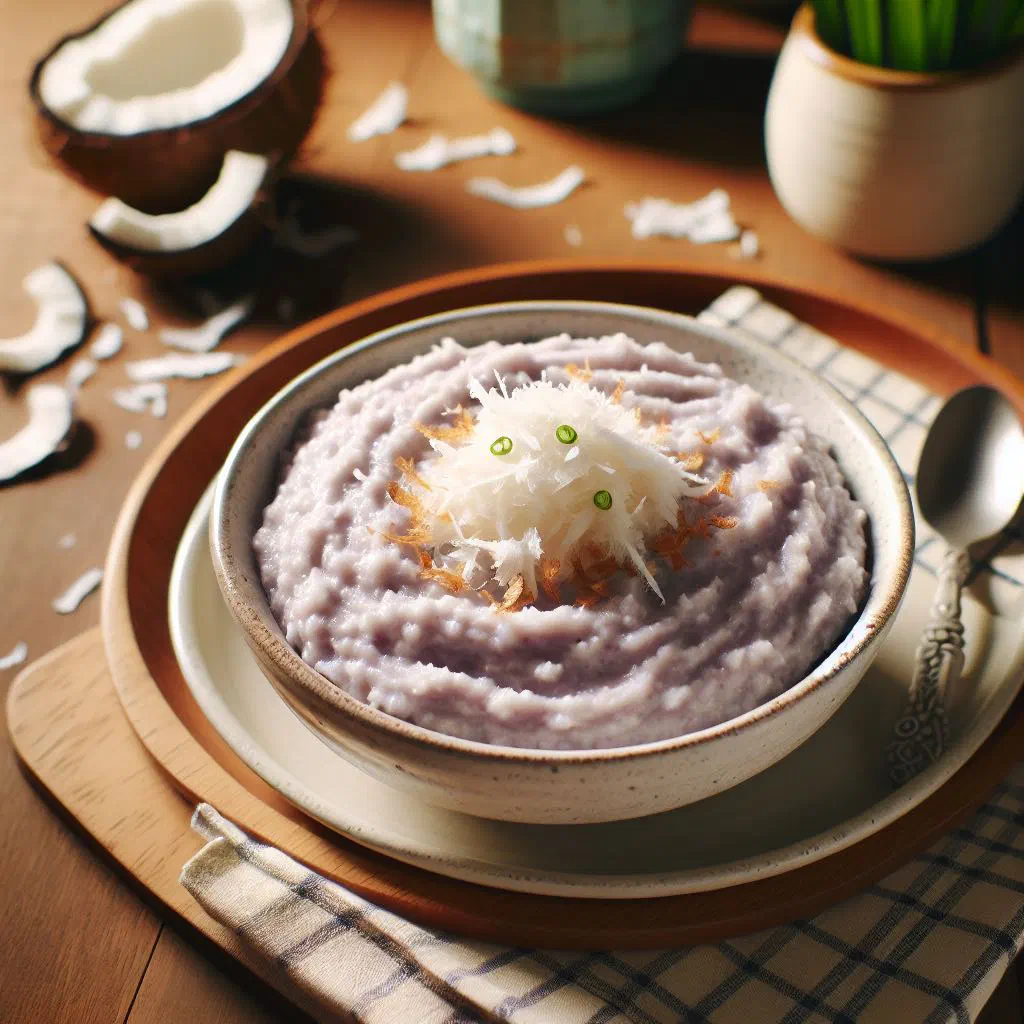
Discover Coconut and Taro Mash, the national dish of Tuvalu and a true taste of the Pacific. This comforting dish brings together the velvety taro root and the gentle sweetness of coconut in a creamy purée that works beautifully as a side or a main. With just a handful of wholesome ingredients, it captures the warmth and hospitality of this island paradise, and it could not be simpler to recreate in your own kitchen.
About Coconut and Taro Mash
Coconut and Taro Mash is a genuine treat and is the national dish of Tuvalu. It unites the flavours of silky taro root and sweet coconut in a creamy purée that can be served either as a side or as a main course. Its distinctive taste and nourishing ingredients make it a firm favourite on the menus of this Pacific island nation. Give it a go yourself and let the flavours of Tuvalu work their magic, much as they do in a classic Coconut Milk Taro.
Ingredients (serves 1–2)
- 250 g taro root
- 200 ml coconut milk
- 1 tablespoon butter or vegan alternative
- Salt to taste
- Optional: 1 teaspoon sugar for a sweeter note
Shopping for the ingredients
For Coconut and Taro Mash you will need a few special ingredients, most of which are available in larger supermarkets or Asian grocery shops. The taro root is usually found in the vegetable section, while coconut milk tends to sit in the international foods aisle or alongside the organic range. If you are after a vegan version, choose a plant-based butter or margarine. It is well worth seeking out fresh ingredients to get the very best flavour from the finished dish.
Preparing the dish
Before you start making the Coconut and Taro Mash, peel the taro root thoroughly and cut it into even pieces. This ensures the taro cooks evenly and makes it far easier to mash. You can also get the coconut milk ready by giving it a good shake or stir, so the whole contents are evenly combined. These small steps are key to guaranteeing the perfect consistency and the best possible taste.
Step-by-step instructions
- Bring the taro root to the boil in a pan of salted water and cook for around 20 minutes, until soft.
- Once the taro is tender, drain it and tip it into a bowl.
- Add the butter and coconut milk, then mash the mixture with a potato masher or blender until lovely and creamy.
- Season with salt and, if you like, a touch of sugar, mixing well to combine.
- Spoon the mash into a bowl and serve warm.
Gluten-free / lactose-free version
Coconut and Taro Mash is naturally gluten-free and is easily made in a lactose-free version too. Simply use a plant-based alternative to butter and make sure the coconut milk is free from unwanted additives. That way, even those with particular dietary needs can enjoy this delicious dish. It is always a good idea to check the product labels to confirm they meet your requirements.
Tips for vegans and vegetarians
Vegans and vegetarians can adapt Coconut and Taro Mash with no trouble at all. In place of butter, reach for a plant-based alternative that gives the same creamy consistency. Take care to choose a good-quality coconut milk that contains no animal products. You can also lift the dish with fresh herbs or a pinch of cayenne pepper to brighten the flavour, just as you might with a warming Taro and Coconut Soup.
More tips and tricks
To make the best Coconut and Taro Mash, it is important to keep an eye on the cooking time for the taro root. Overcooking can make it too soft and sticky. Likewise, do not over-mash the mixture, as this can spoil the texture. Experiment with the addition of spices or other aromatics to shape the dish exactly to your own taste.
Adapting the recipe to your taste
Coconut and Taro Mash can be tailored to personal preference with ease. Add roasted garlic cloves or a little ginger, for example, for an intriguing depth of flavour. Play with the amount of coconut milk too, depending on whether you prefer a thicker or a looser consistency. In this way you can make the mash entirely your own and keep it interesting.
Ingredient substitutions
If taro root is hard to come by, an alternative root such as parsnip or potato can be used instead. These give a similar texture, though they cannot quite replace the gently sweet flavour of the taro. The coconut milk can also be swapped for soya or almond milk, although the mash will not reach the same creaminess. Experimenting with different ingredients can help you discover new and delicious variations, a little like the swaps you might try in a Pounded Taro With Coconut Cream.
Drink pairing ideas
A range of drinks goes wonderfully with a delicious Coconut and Taro Mash. A refreshing mango smoothie made with coconut milk offers the perfect complement. A cool sparkling water with slices of lemon, or a fresh fruit juice, also provides a good balance to the sweet, creamy mash. You might equally consider a light wine or a sparkling cocktail to echo the flavours of the ingredients.
Serving and presentation ideas
The presentation of your Coconut and Taro Mash can transform the whole dining experience. Serve the mash in an attractive bowl and garnish it with freshly chopped coriander or fresh red chillies for a splash of colour. Be sure to add contrasting textures with crunchy toppings such as toasted coconut flakes or sesame seeds. An appealing presentation whets the appetite and turns the meal into something special.
A bit of history
Coconut and Taro Mash is not merely a dish but part of the culture and tradition of Tuvalu. The use of coconuts and taro is deeply rooted in the history of the Pacific islanders. These ingredients feature often in feasts and special occasions and symbolise hospitality. The dish speaks of the foods that have been vital to survival on these small islands and that enrich every celebration, a heritage shared across Tuvaluan cuisine and dishes like Boiled Taro With Coconut Sauce.
More recipe ideas
Summary: Coconut and Taro Mash
Coconut and Taro Mash is a tasty and nourishing dish that honours the traditions of Tuvalu. With just a few but high-quality ingredients, it is simple to prepare and lends itself beautifully to personal preference. It offers the perfect combination of sweet and savoury flavours and can be enjoyed both as a main course and as a side. Let this delicious speciality inspire you and bring a little piece of Tuvalu into your own kitchen.