National Dish Tuvalu: Fish Soup with Taro (Recipe)
In this article
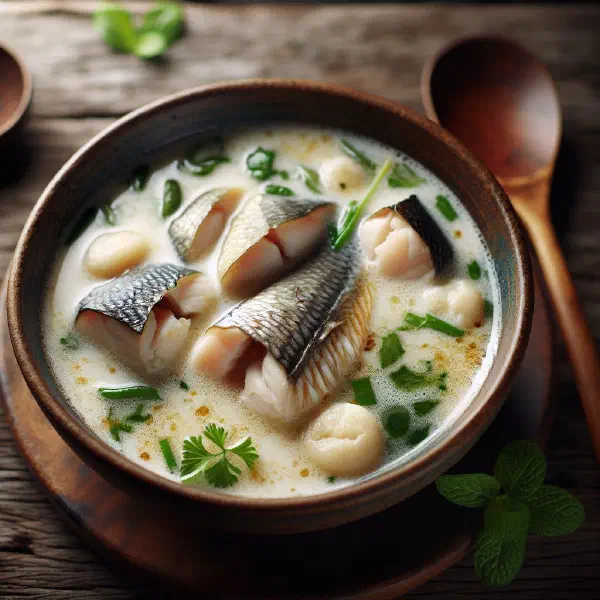
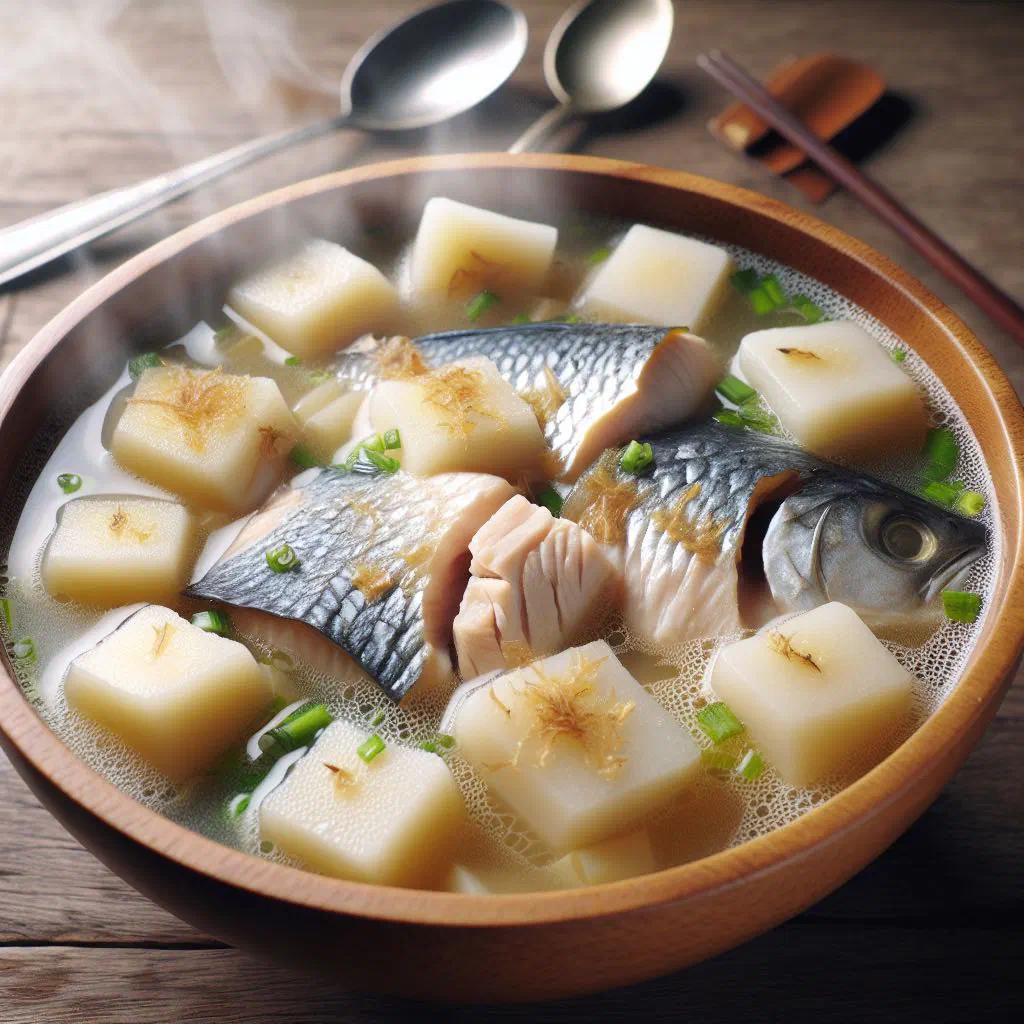
Say hello to Fish Soup with Taro, a traditional bowl that carries the unmistakable flavours of the Pacific. This warming soup brings together delicate fresh fish and the soft, satisfying bite of taro, a root vegetable that anchors so much of island cooking. Nourishing yet wonderfully light, it is the kind of dish made for sharing, gather a few friends, ladle out generous bowlfuls, and let the coastal spirit of Tuvalu fill your kitchen.
About Fish Soup with Taro
Fish Soup with Taro is a traditional national dish of Tuvalu that beautifully captures the tastes of the Pacific. The soup pairs fresh fish with the lovely texture of taro, a staple root vegetable found throughout the region. Thanks to its wholesome preparation and the variety of its ingredients, it is both nourishing and full of flavour. It makes a fine centrepiece for a sociable evening, offering a genuine taste of Tuvalu’s seafaring coastal culture in every spoonful.
Ingredients (serves 1–2)
- 200g fresh fish (such as snapper or tuna)
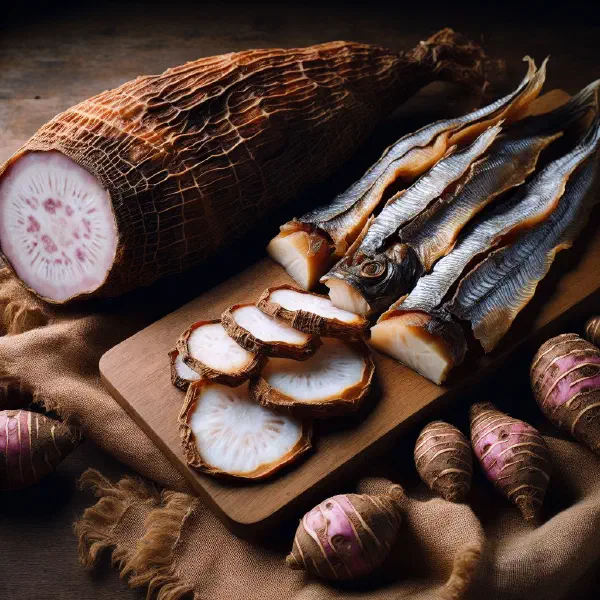
- 150g taro (peeled and diced)
- 1 onion, finely chopped
- 2 garlic cloves, chopped
- 1 litre fish stock
- 2 tablespoons coconut milk
- Salt and pepper, to taste
- Fresh herbs (such as parsley or coriander), to garnish
Shopping for the ingredients
To make Fish Soup with Taro, fresh ingredients are essential. Visit a local fish market or a well-stocked supermarket to buy good-quality fish. Make sure it looks fresh and has only a mild smell, as this guarantees the best result for your soup. The taro should likewise be fresh and firm, so that it holds its shape during cooking and enriches the broth rather than turning to mush.
Preparing the dish
The preparation for this fish soup is straightforward and quick. Begin by peeling the taro and cutting it into small cubes, as it needs a little time to soften during cooking. Chop the onion and garlic promptly too, so the cooking process moves along briskly. A well-organised mise en place makes everything easier, letting you work through each step efficiently and at a relaxed pace.
Step-by-step instructions
- Heat a little oil in a large pan and add the chopped onion and garlic. Sauté until soft.
- Add the diced taro and fry briefly to coat.
- Pour in the fish stock and bring the mixture to the boil.
- Reduce the heat and let the soup simmer for about 15–20 minutes, until the taro is tender.
- Add the fresh fish and the coconut milk, then cook the soup for a further 5 minutes.
- Season with salt and pepper, and garnish with fresh herbs if you like.
Gluten-free / lactose-free version
Fish Soup with Taro is naturally both gluten-free and lactose-free. With fresh fish, taro and natural seasonings, you can be confident the dish suits anyone with a food intolerance. Do take care, though, that any stock or shop-bought ingredients you use are also free from gluten and lactose. Check the labels when shopping so you can be sure you are choosing the right products.
Tips for vegans and vegetarians
For vegans and vegetarians, the soup is easy to adapt. In place of fish, use vegetables such as aubergine or mushrooms, which bring a rich, umami flavour of their own. Swap the fish stock for a homemade vegetable stock to keep the broth full and savoury. Coconut milk also slots beautifully into countless plant-based dishes, lending the soup a creamy, hearty character much like a comforting Taro and Coconut Soup.
More tips and tricks
To get the very best from your Fish Soup with Taro, a few touches go a long way. Use fresh herbs such as coriander or parsley to give the dish an extra lift of flavour. Experiment with spices like ginger or chilli for a special note. Letting the soup rest for a few hours before serving also helps, as it intensifies the aromas and deepens the overall taste.
Adapting the recipe to your taste
The recipe is easy to tailor to your own preferences. Add extra vegetables such as carrots or spinach to bring more colour and nutrients to the pot. For a spicier version, a pinch of curry powder or a squeeze of lime juice works wonderfully. Tweaks like these keep the soup fresh and exciting, so it tastes a little different every time you make it.
Ingredient substitutions
If you do not have everything to hand, there are alternatives that work just as well. In place of taro, try sweet potato or ordinary potato, which offer a similar consistency. Instead of fish, prawns or mussels can enrich the soup and lend it a different character, much as they would in a Crab and Taro Curry. Just remember to adjust the cooking time to suit whichever you choose.
Drink pairing ideas
A range of drinks pairs nicely with Fish Soup with Taro. A lightly chilled white wine or a refreshing beer complements the soup’s flavours beautifully. For something alcohol-free, serve coconut water or freshly pressed fruit juices to play up the tropical mood. These choices help turn your meal into a varied and harmonious tasting experience.
Serving and presentation ideas
Presentation can make a real difference to the whole Fish Soup with Taro experience. Serve it in pretty, colourful bowls to bring the dish to life. Consider fresh herbs or edible flowers as a garnish. They look lovely and add an extra layer of flavour. A nice piece of bread or a few crackers on the side rounds out the picture and invites your guests to enjoy the soup to the full.
A bit of history
The story of Fish Soup with Taro is woven deep into the culture of Tuvalu. Its people are traditionally fishermen, refining their techniques and recipes across generations. The dish reflects both the natural abundance of the ocean and the modest harvests of the small islands. More than simply a meal, it is an invitation to gather the community together and to keep the culture alive through food, a hallmark of Tuvaluan cuisine.
More recipe ideas
Summary: Fish Soup with Taro
In short, Fish Soup with Taro is a treat for all the senses. It brings together the best elements of Pacific cooking and makes a delicious option for any sociable gathering. With fresh ingredients and plenty of room for variation, the dish is both easy to cook and easy to adapt. Experience the taste of Tuvalu and take your guests on a tour across the islands.