National Dish Tuvalu: Palusami (Recipe)
In this article
Discover Palusami, the much-loved national dish of Tuvalu. This gentle, comforting bake brings together earthy taro and rich, silky coconut milk for a taste of South Pacific island life. With its simple ingredients and soothing, creamy texture, it captures the warmth of the tropics in every spoonful. Bring a little of Tuvalu’s sun-soaked tradition straight to your own kitchen table.
About Palusami
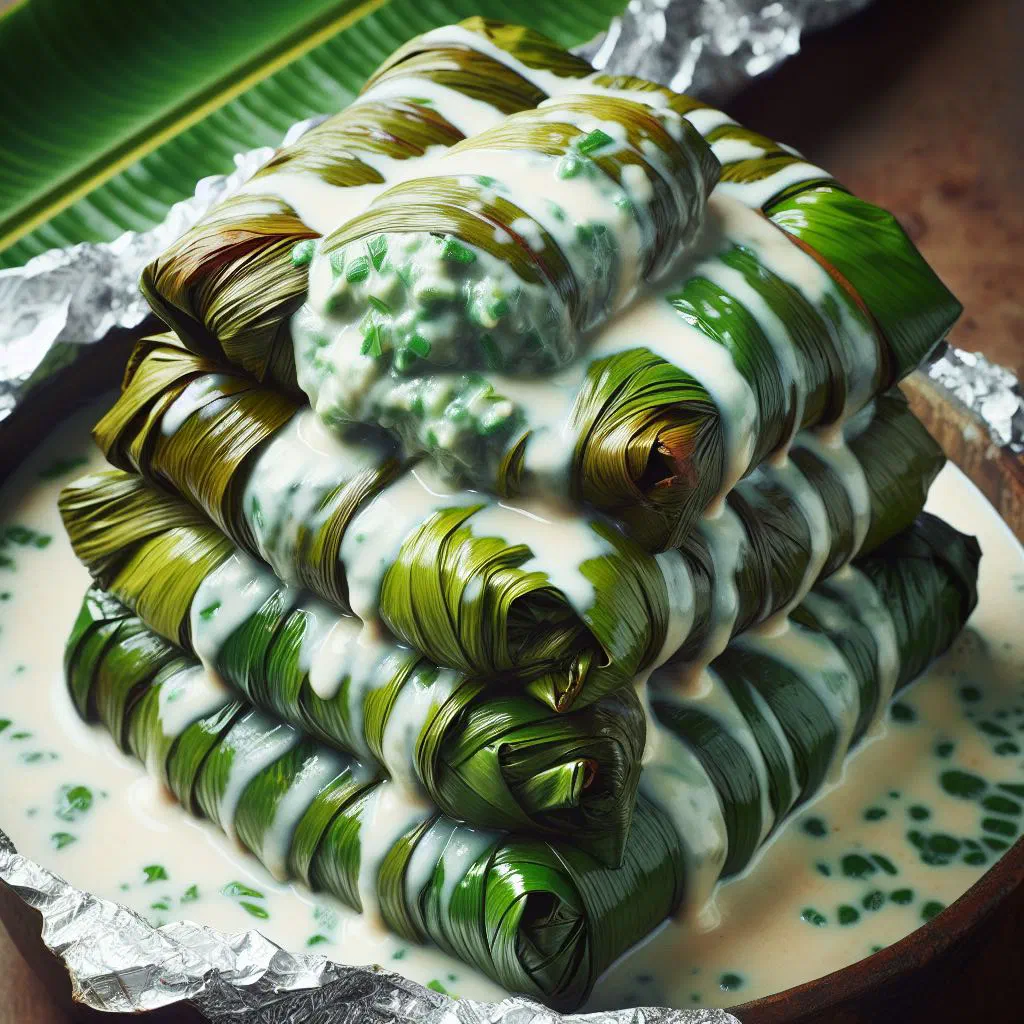
Palusami is a traditional dish from Tuvalu, prized for its distinctive flavour and its easy-to-source ingredients. At its heart sit coconut milk and taro root, which beautifully reflect the tropical climate of the Pacific islands. It is often served as a side, but it works equally well as a satisfying main. With this harmony of flavours and textures, even the fussiest of eaters will find something to love. Like much of Tuvaluan cuisine, it celebrates the simple bounty of the islands.
Ingredients (serves 1–2)
- 250 g taro root (or alternative root vegetables)
- 200 ml coconut milk
- 1 onion, diced
- 1–2 cloves of garlic, chopped
- 1 teaspoon salt
- 1 teaspoon pepper
- Optional: fresh herbs, to garnish
Shopping for the ingredients
When shopping for palusami, it is important to pay attention to the quality of the coconut milk. Choose one without artificial additives, ideally organic. Taro root may not be available in every supermarket, but it can usually be found in specialist Asian or international grocery shops. Alternatively, you can fall back on other root vegetables such as sweet potatoes or yams if taro is hard to come by.
Preparing the dish
Preparing palusami is fairly straightforward and takes only a few steps. First, the taro root should be peeled and cut into small cubes. The onion and garlic need to be prepared too, diced finely and chopped respectively. Take care to clean and prepare all the ingredients thoroughly to ensure the best possible flavour.
Step-by-step instructions
- Place the taro root in a pan of water and bring to the boil. Cook for around 10–15 minutes, until tender.
- In a separate pan, sauté the onion and garlic in a little oil until golden brown.
- Drain the cooked taro and tip it into a bowl together with the sautéed onion and garlic.
- Add the coconut milk, salt and pepper, then mix everything together well.
- Transfer the mixture to a baking dish and bake at 180°C for about 30 minutes, until the surface is lightly browned.
Gluten-free / lactose-free version
Palusami is naturally gluten-free and lactose-free, which makes it an excellent option for anyone with particular dietary needs. The main ingredients, taro root and coconut milk, contain neither gluten nor lactose. Do take care to watch out for possible hidden sources of gluten, such as flavoured coconut milk. That way you can be sure your dish stays completely gluten- and lactose-free.
Tips for vegans and vegetarians
For vegans and vegetarians, palusami offers a wonderful way to enjoy a nourishing and flavourful dish. It is naturally vegan, as long as no animal products such as butter or cream are added. Reach for fresh, seasonal ingredients to maximise the dish’s nutritional value. If you fancy adapting the recipe, you can add extra greens such as spinach or chard to boost its nutritional benefits.
More tips and tricks
A few tips and tricks can help you get the most out of your palusami. Use fresh coconuts to make your own coconut milk, which can improve the flavour of the dish considerably. Experiment with spices such as nutmeg or chilli to give the dish a personal touch. Store any leftover palusami in an airtight container in the fridge and enjoy it for up to three days afterwards.
Adapting the recipe to your taste
A great advantage of palusami is how easily it can be adapted to personal preference. Fancy a spicier version? Simply add a few chilli flakes or fresh chillies to liven it up. You can also fold in other vegetables such as carrots or courgettes for extra flavour and texture. Different herbs let you refine the taste further and bring your own style to the dish.
Ingredient substitutions
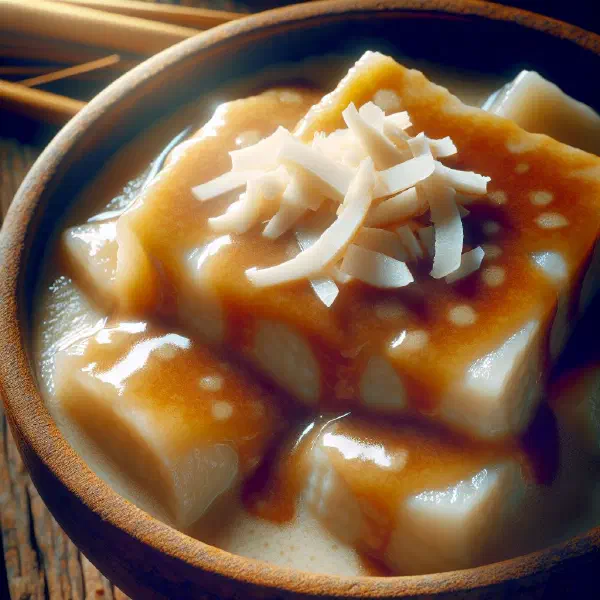
If you do not have every ingredient to hand, there are a few alternatives worth trying. In place of taro root, sweet potatoes or even ordinary potatoes can be used to achieve a similar flavour and texture. For anyone who is not keen on the taste of coconut, almond milk or oat milk can stand in, though this will alter the dish’s characteristic flavour slightly. Be creative and do not be afraid to try new combinations, much like the cooks behind a comforting Coconut Milk Taro.
Drink pairing ideas
To round off the dish of palusami, a range of drinks can be served alongside. A fresh, unadulterated mango juice pairs beautifully with the dish’s exotic flavours. A light white wine or a crisp rosé can also make a successful match. For an alcohol-free option, fresh coconut water can be served to heighten that tropical feeling. Try a glass of Fresh Coconut Juice.
Serving and presentation ideas
The presentation of palusami can lift the whole eating experience considerably. Serve the dish in coconut shells or in a decorative bowl to echo its tropical origins. Garnish it with freshly chopped herbs such as coriander or parsley for a splash of colour. Colourful sides such as roasted vegetables or a fresh salad round off the overall picture perfectly, much as they do with a hearty Taro Leaf Coconut Stew.
A bit of history
Palusami has a history and is closely bound up with the cultural tradition of Tuvalu. It reflects the agriculture and natural resources of the region, where coconuts and various root vegetables are widely grown. Traditionally it was wrapped in leaves and cooked over an open fire or in earth ovens, which makes its aroma and flavour all the more intense. Today the dish is found in various forms across many Pacific islands, where it is often served at feasts or on special occasions.
More recipe ideas
- Coconut And Taro Mash
- Boiled Taro With Coconut Sauce
- Fish In Coconut Milk
- Traditional Tuvaluan Coconut Custard
- Pulaka
Summary: Palusami
In summary, Palusami is an easy-to-make yet incredibly tasty dish that holds a special place in the cuisine of the Pacific region. It offers a wonderful chance to experiment with fresh ingredients and can be adapted to individual tastes without any fuss. With its combination of coconut milk and root vegetables, it is nourishing and brings a little piece of Tuvalu straight to the table. Give it a try and let yourself be enchanted by the flavours.