National Dish Tuvalu: Roasted Fish with Taro Leaves (Recipe)
In this article
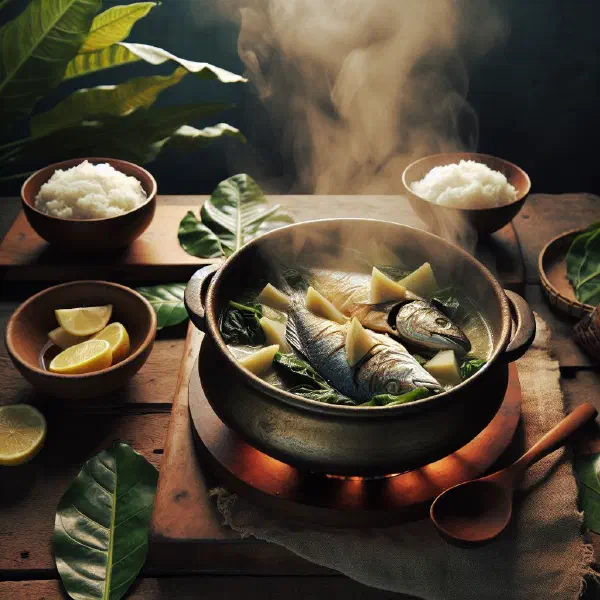
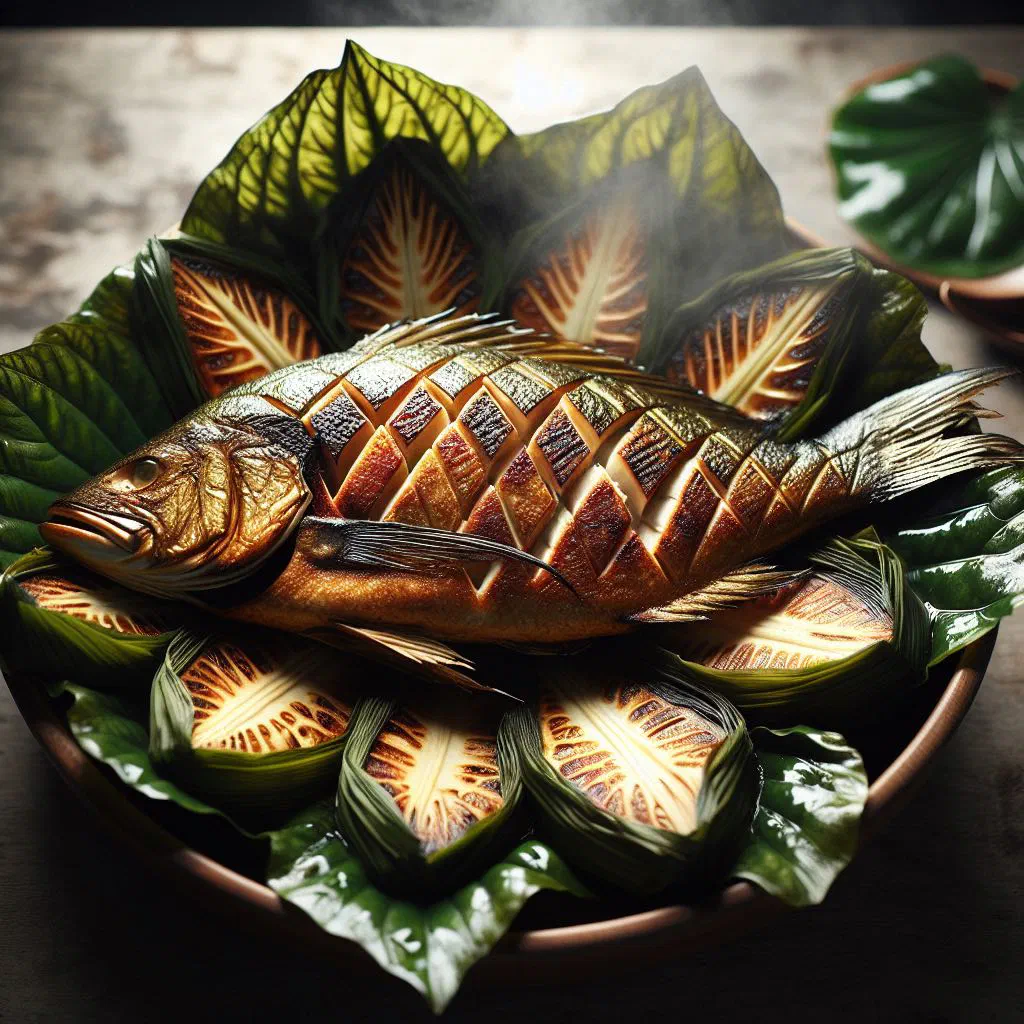
Meet Roasted Fish with Taro Leaves, the national dish of Tuvalu and a true taste of the Pacific. Fresh, locally caught fish is wrapped in fragrant taro leaves and grilled until tender, soaking up the bright tang of lime and a whisper of garlic. It is a simple, nourishing dish that captures the spirit of island life, a celebration of the sea, the land and the unhurried pleasure of cooking with what is fresh and close to hand.
About Roasted Fish with Taro Leaves
The national dish of Tuvalu, roasted fish with taro leaves, is far more than a simple meal. It brings together the freshest ingredients of the Pacific and embodies the very essence of island culture. Using locally caught fish and aromatic taro leaves lets you bring the authentic flavour of Tuvalu to the table. This dish is nourishing and a feast for the senses, marrying the gentle smokiness of the grill with the clean, green character of the leaves.
Ingredients (serves 1–2)
- 2 fish fillets (your choice of fish)
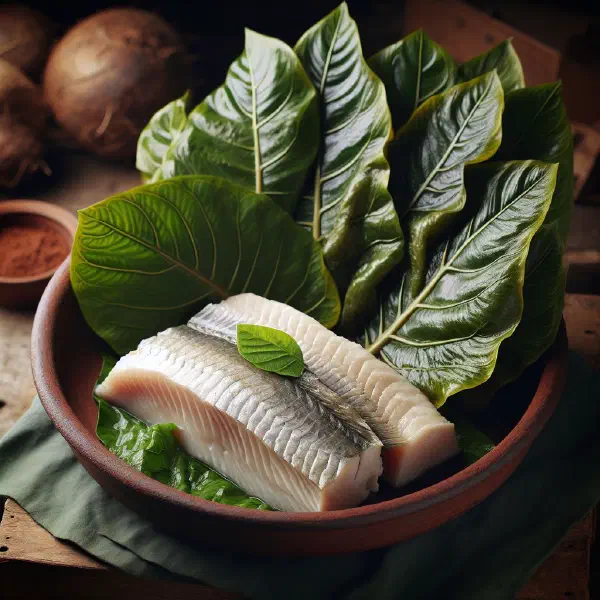
- 10–12 taro leaves
- 2 limes (juice and zest)
- 1–2 cloves garlic, chopped
- 1 teaspoon salt
- 1 teaspoon pepper
- Olive oil or coconut oil
Shopping for the ingredients
For the best roasted fish with taro leaves, it pays to buy your ingredients fresh. The fish should ideally come straight from the market or a trusted source to guarantee quality and freshness. Taro leaves are available from specialist Asian grocers, much like the staples used in Taro Leaf Wraps. The remaining ingredients can be found in any well-stocked supermarket, which makes the whole dish wonderfully easy to put together.
Preparing the dish
Before you start cooking your roasted fish with taro leaves, prepare all the ingredients thoroughly. This means the fish needs to be cleaned and patted dry, while the taro leaves should be washed carefully and freed of any grit or blemishes. The limes should be juiced and their zest grated to capture the freshest aromas.
Step-by-step instructions
- Marinate the fish with lime juice, garlic, salt and pepper, and leave it to rest in the fridge for at least 30 minutes.
- Lightly brush the taro leaves with olive oil or coconut oil.
- Lay a piece of taro leaf on a sheet of foil, place the marinated fish fillet on top and cover with another taro leaf.
- Close the parcel carefully and set it on the grill or in the oven.
- Grill the fish for 20–25 minutes, until it is cooked through.
Gluten-free / lactose-free version
Roasted fish with taro leaves is naturally gluten-free and lactose-free. Just take care that the spices and oils you use contain no gluten either. Plant oils such as coconut oil or olive oil are ideal, and choosing fresh fish ensures the dish stays both delicious and wholesome. This makes it a reassuring choice for anyone cooking around dietary needs.
Tips for vegans and vegetarians
It is easy to adapt the recipe for roasted fish with taro leaves to suit vegans and vegetarians. Instead of fish, work with marinated vegetable fillets such as tofu or aubergine. These take on the flavours of the marinade beautifully and make for a delicious grilled variation. The cooking method stays exactly the same, so you can enjoy the dish whichever way you prefer.
More tips and tricks
When cooking roasted fish with taro leaves, keep a close eye on the grill temperature. Heat that is too high can leave the fish dry, so a little patience is rewarded with a tender, juicy result. Adding fresh herbs such as coriander or parsley brings an extra layer of flavour, much as they lift a Tuvaluan Fish Stew.
Adapting the recipe to your taste
The beauty of roasted fish with taro leaves lies in its versatility. You can tailor the marinade to your own preferences by adding different spices or a pinch of chilli flakes for warmth. The choice of fish is flexible too, so you can opt for seasonal, freshly caught varieties. Try a Grilled Snapper for a heartier result. This keeps the dish exciting and endlessly variable.
Ingredient substitutions
If you cannot find taro leaves, swap them for other large leaves such as cabbage leaves or banana leaves, as in the popular Banana Leaf Wrapped Fish. There are plenty of alternatives for the fish as well; various kinds of seafood work splendidly here too. The key is to be creative and to experiment with whatever is available, building your own unique combinations of flavour.
Drink pairing ideas
The national dish of Tuvalu pairs beautifully with refreshing drinks. A cool beer or a crisp white wine sits well alongside the dish’s layered flavours. For an alcohol-free option, fruit juices or coconut water are ideal for echoing the tropical notes, a chilled Fresh Coconut Juice is hard to beat. These combinations harmonise perfectly with the tender fish and the aromatic taro leaves.
Serving and presentation ideas
Presentation can lift the whole experience of roasted fish with taro leaves. Serve the dish on a colourful plate, garnished with fresh herbs. A wedge of lime or an array of bright vegetables can also work as decoration. An attractive arrangement will impress your guests and turn the meal into a genuine celebration.
A bit of history
The dish roasted fish with taro leaves has its roots in the rich culture of Tuvalu, where fishing plays a central role in everyday life. The pairing of fish and taro is traditional, reflecting the ready availability of fresh ingredients across the region. The methods of preparation are often shaped by the natural surroundings and the island way of life, giving rise to a strong culinary heritage that runs through all of Tuvaluan cuisine.
More recipe ideas
Summary: Roasted Fish with Taro Leaves
All in all, roasted fish with taro leaves is a delicious and nourishing way to enjoy the traditional cuisine of Tuvalu. Its simple ingredients and easy preparation make it straightforward to recreate at home. The dish promises a flavour that nourishes the soul. Let the cooking of this Pacific island inspire you and enjoy a little piece of Tuvalu right in your own kitchen.