National Dish Tuvalu: Roasted Taro with Coconut Sauce (Recipe)
In this article
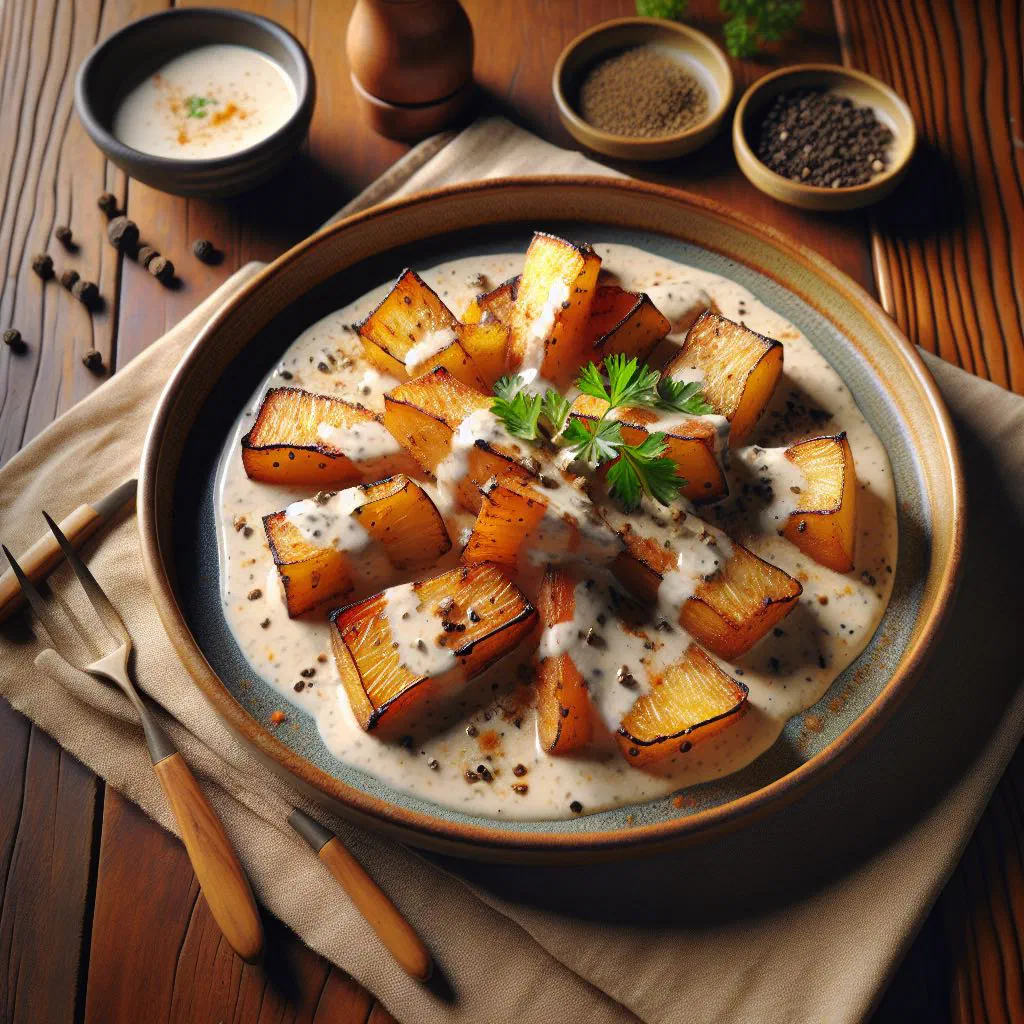
Discover the national dish of Tuvalu: tender roasted taro draped in a silky coconut sauce. This is honest, sun-warmed Pacific cooking, where a humble starchy root meets the creamy sweetness of the coconut palm. Naturally gluten-free and vegan, it is as forgiving as it is flavourful, equally at home as a comforting main or a generous side. Bring a taste of the South Pacific to your own kitchen with just a handful of simple ingredients.
About Roasted Taro with Coconut Sauce
Roasted taro with coconut sauce is a true speciality of Tuvaluan cooking. Taro is a starchy root vegetable prized across many Pacific nations for its nourishing qualities and gentle, nutty flavour. Roasting brings out its earthy character, while a pour of creamy coconut sauce lifts those natural aromas into something altogether more luxurious. The result is a harmonious balance of savoury and subtly sweet — a dish that is wonderfully satisfying and naturally suited to both vegetarians and vegans.
Ingredients (serves 1–2)
- 2–3 medium taro roots
- 1 tin coconut milk
- 1–2 tablespoons sugar or honey
- A pinch of salt
- A squeeze of lime juice (optional)
Shopping for the ingredients
To make an authentic dish, the right ingredients make all the difference. Taro roots can be found in many Asian or specialist food shops, where they are sold whole and unpeeled. Coconut milk is stocked in almost every supermarket, though freshly grated coconut offers a lovely alternative if you have the time and the opportunity. Choose good-quality produce wherever you can, the freshness really does come through in the finished flavour, much as it does in a comforting Coconut and Taro Mash.
Preparing the dish
Begin by washing the taro roots thoroughly to remove any soil and grit. Next, peel the roots carefully, as the skin is not edible. Cutting the taro into even pieces ensures it roasts uniformly and soaks up the coconut sauce beautifully. A tidy, well-organised work surface lets you move through the steps at a relaxed, steady pace.
Step-by-step instructions
- Preheat the oven to 200°C.
- Cut the taro roots into thick slices or cubes.
- Spread the taro pieces over a baking tray and roast for about 30–40 minutes, until golden brown.
- Meanwhile, warm the coconut milk in a pan and stir in the sugar and a pinch of salt.
- Once roasted, remove the taro from the oven and pour over the warm coconut sauce.
- Optional: add a squeeze of lime juice to brighten and intensify the flavour.
Gluten-free / lactose-free version
Roasted taro with coconut sauce is naturally gluten-free and lactose-free, since its main ingredients are simply taro and coconut milk. Do check that your coconut milk is free from any additives that might contain gluten. This makes it an ideal dish for anyone with intolerances, so you can enjoy every mouthful with complete peace of mind.
Tips for vegans and vegetarians
For vegans, roasted taro with coconut sauce is an especially pleasing choice, as it contains no animal products whatsoever. Coconut milk makes the perfect creamy base for plant-based cooking. If you fancy a little variation, experiment with warming spices such as ginger or turmeric to layer in extra aroma. It is an excellent option for anyone exploring the riches of a plant-based table.
More tips and tricks
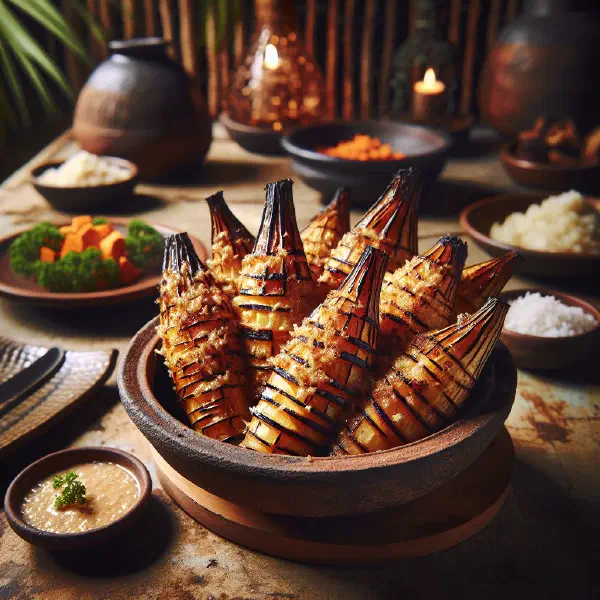
To deepen the flavour of your roasted taro with coconut sauce, scatter over fresh herbs such as coriander or mint. They lend the dish a fresh note and a splash of colour. Play with the roasting time, too, the longer the taro roasts, the more intense its flavour becomes. Take care not to over-roast it, though, or the taro can turn dry. The same gentle attention rewards a tray of Roasted Breadfruit with Coconut.
Adapting the recipe to your taste
The beauty of roasted taro with coconut sauce lies in its flexibility. Adjust the amount of sugar to suit your palate, or swap in an alternative sweetener entirely. You can also try different spices and aromatics to give the dish a signature touch of your own.
Ingredient substitutions
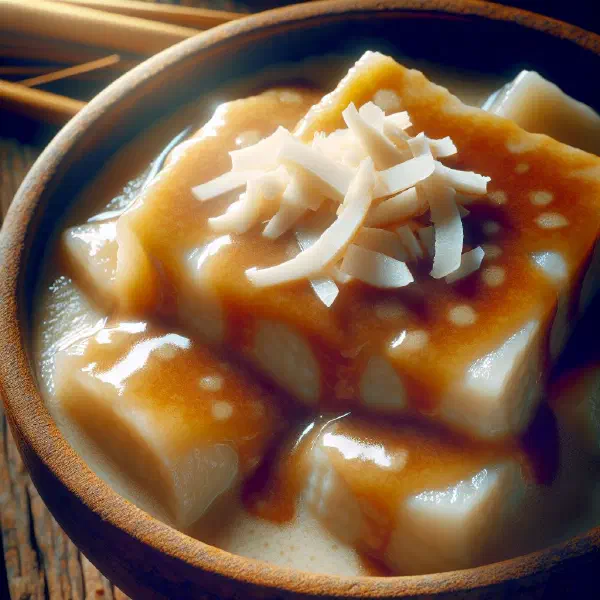
Should taro roots be hard to come by, sweet potato makes an appealing stand-in with a similar comforting character. The coconut milk can likewise be replaced with another plant-based milk, though the end result will not be quite the same. Feel free to experiment with different flavours to land on the version that suits you, the same spirit of substitution that shines in a Boiled Taro with Coconut Sauce.
Drink pairing ideas
To round off the experience of roasted taro with coconut sauce, serve a refreshing drink alongside. A classic coconut drink or a fruity pineapple-and-mango smoothie complements the flavours perfectly and brings a tropical flourish to the table. Unsweetened iced tea or a simple herbal tea also make fine companions for the meal.
Serving and presentation ideas
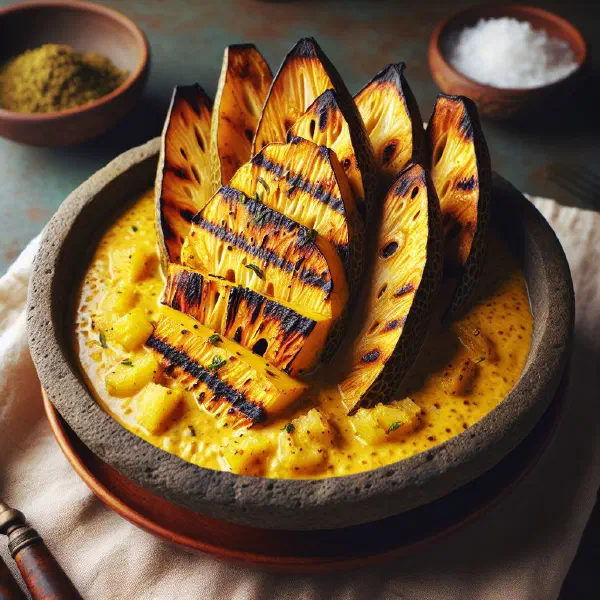
An inviting presentation can elevate any dish. Serve the roasted taro with coconut sauce in a handsome bowl or on a brightly coloured plate. Garnish with fresh herbs or even toasted coconut flakes to add both texture and colour. A few attractive serving pieces make the whole experience that much more special, just as they do for a Pounded Taro with Coconut Cream.
A bit of history
The climate of Tuvalu is well suited to growing taro, which is why this dish holds such an important place in the local kitchen. Taro has been a staple food here for centuries. Its pairing with coconut is typical of many dishes across the southern Pacific, where both ingredients grow in abundance. That makes roasted taro with coconut sauce a nourishing meal and a living part of the islands’ culinary tradition, a cornerstone of Tuvaluan cuisine.
More recipe ideas
Summary: Roasted Taro with Coconut Sauce
In short, roasted taro with coconut sauce is a simple, delicious and culturally rich dish to prepare. It unites the savoury and sweet flavours of Pacific cooking and is a highlight for anyone keen to explore the variety of plant-based food. This recipe comes warmly recommended to all who long for authentic, nourishing fare.