National Dish Uganda: Amatooke (Recipe)

In this article
Discover Amatooke, the national dish of Uganda and one of East Africa’s great comfort foods. Made from little more than green plantains, salt and steam, it turns the humblest of ingredients into something soft, warming and quietly satisfying. It is naturally plant-based, endlessly adaptable and a dish that sits at the heart of Ugandan family life. Bring a taste of Uganda to your own kitchen with this simple, honest recipe.
About Amatooke
Amatooke is the national dish of Uganda and a fixed part of the country’s everyday food culture. This much-loved speciality is made mainly from plantains, prepared in a distinctive way that sets it apart from any other banana dish. The word amatooke usually refers to the method itself: the plantains are steamed and then either mashed to a smooth purée or served in thick slices. The sheer simplicity of the ingredients makes it a dish almost anyone can enjoy, whatever their preferences or dietary restrictions.
Ingredients (serves 1–2)
- 4–6 green plantains
- 1 teaspoon salt
- Water (for steaming)
- Optional: butter or oil, to enrich
Shopping for the ingredients
To find the best plantains for amatooke, it pays to pay attention to ripeness. Look for fruit that peels easily, with a pale-yellow skin and a few brown flecks. These are a sign that the plantains are sweet and full of flavour. Fresh, healthy extras such as vegetables and spices should be easy enough to come by too, head for a local market with good fresh produce, or an African or Caribbean grocery, where plantains are usually a staple on the shelf.
Preparing the dish
Preparing amatooke is straightforward and refreshingly uncomplicated. First, peel the plantains and cut them into large pieces. This lets them steam evenly and ensures they turn out tender and delicious. Wash the plantains thoroughly before you start cooking, to remove any dirt or grit from the skins.
Step-by-step instructions
- Peel the plantains and cut them into thick slices.
- Bring a steamer with water to the boil.
- Add the salt and place the plantains in the steamer.
- Steam the plantains for around 20–30 minutes, until soft.
- Once steamed, either mash them to a purée or simply serve them as slices.
- Add a little butter or oil if you like, to round out the flavour.
Gluten-free / lactose-free version
Amatooke is naturally gluten-free and lactose-free, which makes it an excellent option for anyone with a food intolerance. The main components are nothing more than plantains and water, so there are no hidden sources of gluten or lactose to worry about. If you would like a creamier version, use plant-based oils or even a plant milk alternative in place of butter. That way the dish stays suitable for everyone at the table.
Tips for vegans and vegetarians
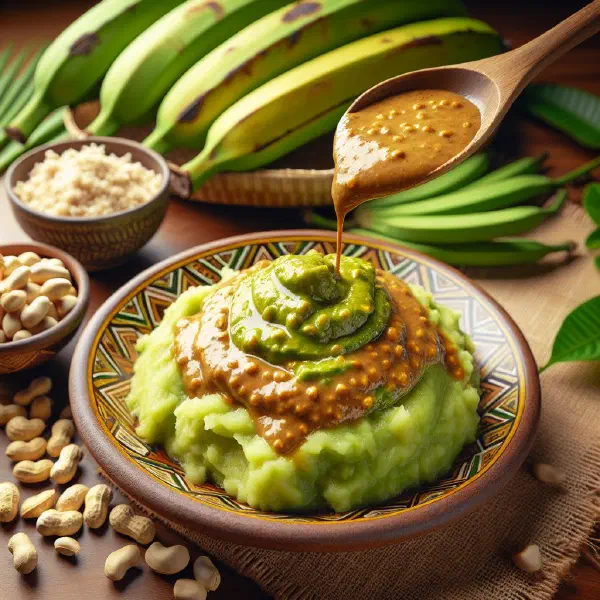
For vegans and vegetarians, amatooke is a perfect choice, since the recipe is entirely plant-based. Just take care not to add animal products when serving, unless you are deliberately adapting it for a particular diet. Adding vegetables such as spinach or carrots to the steamer makes the dish even more nourishing. Experiment with different spices to introduce interesting new notes, a spoonful of Ugandan Peanut Sauce alongside is a classic pairing.
More tips and tricks
A few tips and tricks can make amatooke easier still. Consider peeling and freezing your plantains in advance to save time on a busy evening. If you are cooking for a larger group, remember to adjust the steaming time accordingly. A food processor can help when mashing the plantains, giving you exactly the consistency you want. And do experiment with herbs and spices to discover new flavour combinations.
Adapting the recipe to your taste
The beauty of amatooke lies in how readily it adapts. You can easily tailor the recipe to your own preferences or dietary needs. Add toasted nuts or seeds for extra crunch, or play with the amount of salt to make it milder or more savoury. If you follow a gluten-free diet this is already a suitable dish, but you can also fold in alternative starches to vary the texture, much as cooks do in a hearty Katogo.
Ingredient substitutions
There are plenty of alternatives to the main ingredients in amatooke. If you cannot find green plantains, you can experiment with other banana varieties, although the flavour will differ. Instead of plain water, try steaming over vegetable stock to add an extra layer of taste. Be creative and do not be afraid to give an old recipe a fresh twist, the same spirit that produces variations such as Matooke.
Drink pairing ideas
Plenty of drinks work well with a dish like amatooke and can carry its gentle flavours. A fresh, cool fruit juice is always a good choice to complement the sweetness of the plantains. You might also pick a light, sparkling lemonade or a traditional Ugandan beer to round out the meal. A cup of herbal tea makes an interesting contrast, while a glass of Ugandan Banana Wine keeps the whole spread firmly local.
Serving and presentation ideas
Attractive presentation can lift the enjoyment of amatooke considerably. Serve the dish on a rustic plate and garnish it with fresh herbs or edible flowers for visual appeal. A touch of colour from peppers or fresh vegetables makes the whole plate look livelier. Think about how you arrange the portions, too, placing them well turns an everyday meal into something of an occasion.
A bit of history
The history of amatooke is deeply rooted in Ugandan tradition. The dish carries nutritional weight, of course, but it also plays an important role at celebrations and gatherings of all kinds. Plantains have been a staple food in Uganda for centuries, symbolising prosperity and community. Cooking and sharing this dish is a cultural practice passed down through the generations, and one that strengthens social bonds, a fine introduction to Ugandan cuisine.
More recipe ideas
Summary: Amatooke
Amatooke is a hearty dish built from simple ingredients and prepared in countless local variations. It stands for culture and community in Uganda and brings the flavours of Africa straight to your table. Because the recipe adapts so easily to personal taste, it suits both special occasions and ordinary weeknights. Let this wonderful Ugandan speciality inspire you, and enjoy a little piece of Uganda at home.