National Dish Uganda: Goat Muchomo (Recipe)
In this article
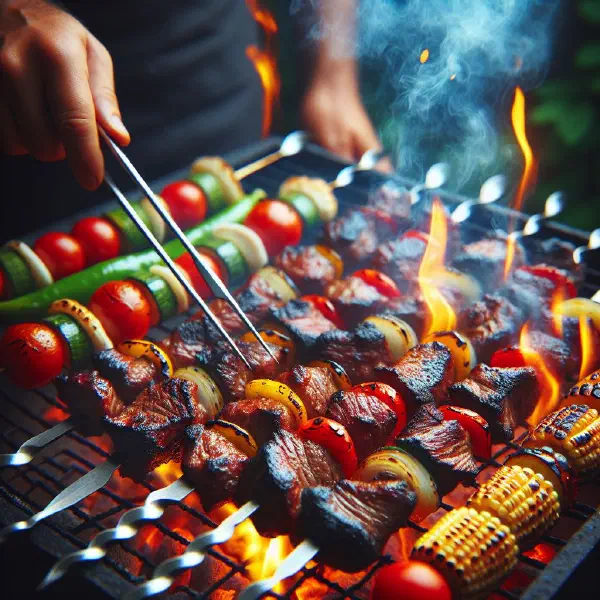
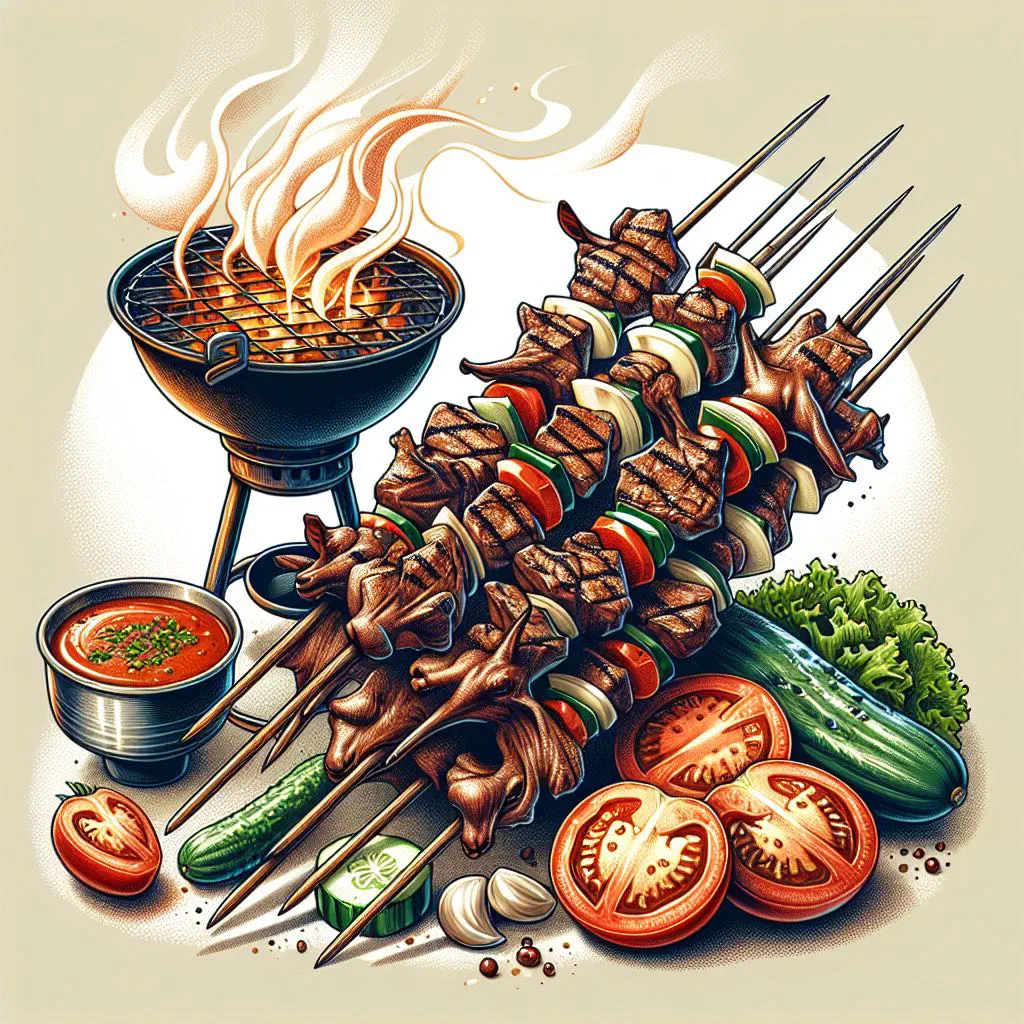
Meet Goat Muchomo, the smoky, sizzling star of Ugandan roadside grills and family celebrations alike. Tender pieces of goat are steeped in a bright marinade of garlic, ginger and lemon, then charred over hot coals until the edges catch and crisp. It is sociable food at its very best, the kind of dish that draws people towards the fire long before it is ready to serve.
About Goat Muchomo
Goat Muchomo is a traditional Ugandan dish made from marinated, grilled goat meat. It appears at celebrations and sociable gatherings across the country and is a firm fixture of Ugandan cooking. The dish combines a flexible blend of spices with a distinctive grilling technique that gives the meat its unmistakable flavour. Thanks to the use of fresh, local ingredients, Goat Muchomo is a treat for the palate and a window onto the culinary variety of Uganda.
Ingredients (serves 1–2)
- 500 g goat meat (shoulder or leg, for example)
- 2 cloves of garlic, chopped
- 1 piece of ginger, grated
- 2 tablespoons olive oil
- 1 teaspoon cumin
- 1 teaspoon paprika
- Juice of 1 lemon
- Salt and pepper to taste
- Wooden skewers or a grill
Shopping for the ingredients
When shopping for Goat Muchomo, take care to choose good-quality goat meat. It is worth buying from a butcher you trust so you can be sure the meat is fresh and well packaged. Many markets also sell ready-made marinades that open up a range of different flavours. When picking your spices, look for fresh or freshly ground options, as they deliver a far more intense flavour than dried alternatives.
Preparing the dish
To prepare Goat Muchomo, begin by marinating the goat meat. The marinade should be left to work for at least two hours, or overnight in the fridge, to deepen the flavour. While it rests, soak the wooden skewers in water so they do not scorch on the grill. Careful groundwork like this is what keeps the meat beautifully juicy once it hits the heat.
Step-by-step instructions
- Cut the goat meat into cubes and place them in a bowl.
- In a separate bowl, combine the garlic, ginger, oil, spices, lemon juice, salt and pepper.
- Pour the marinade over the goat meat and mix well so every piece is evenly coated.
- Put the marinated meat in the fridge and leave it for at least two hours.
- Grill the meat on a preheated barbecue or in a griddle pan for 15–20 minutes, until cooked through and golden brown.
- Serve the grilled meat hot with sides of your choice.
Gluten-free / lactose-free version
To make Goat Muchomo gluten-free and lactose-free, simply follow the instructions above, as most of the ingredients are naturally free of both. Just check that your spices and marinades contain no hidden gluten. Mixing your own blends is often the safest route if you want complete certainty. Enjoy this delicious dish without a second thought.
Tips for vegans and vegetarians
Although Goat Muchomo is built around goat meat, it adapts readily to a vegan or vegetarian version. In place of the meat, use evenly sized pieces of courgette, pepper or tofu. Marinate the vegetables or tofu in exactly the same spices to achieve a similar depth of flavour, then grill them just as you would the original. The result is a hearty plant-based dish that stands proudly on its own, much like a Vegetable Curry.
More tips and tricks
One important tip when making Goat Muchomo is not to marinate the meat for too long, as this can alter its texture. Another trick is to grill over medium heat so the meat cooks evenly right through. Experiment with different marinades to discover new flavour combinations, and do not forget to thread vegetables onto the skewers alongside the meat for a colourful, tasty accompaniment.
Adapting the recipe to your taste
The ingredients for Goat Muchomo are easy to adjust to personal preference. Feel free to play with different spices and herbs until the balance suits you. Add hot chilli powder for extra heat, for instance, or fresh herbs such as coriander for a brighter finish. Variations in the grilling itself, different charcoals or types of wood, can also open up entirely new dimensions of flavour.
Ingredient substitutions
If you have no goat to hand, Goat Muchomo works well with lamb or beef instead. Both alternatives bring plenty of richness and take a marinade beautifully, the same principle that carries a Ugandan Meat Stew. The olive oil can be swapped for another vegetable oil if you prefer, and using a different citrus fruit such as lime or grapefruit in place of the lemon adds a creative twist.
Drink pairing ideas
To round off the Goat Muchomo experience, pair the dish with something refreshing. A classic Ugandan beer is a fine match if you are after an authentic evening, while an ice-cold fruit juice or a zesty citrus cocktail makes a lively partner. For something a little more unusual, try a glass of Ugandan Banana Wine. If you prefer alcohol-free options, a light iced tea is an excellent choice.
Serving and presentation ideas
Thoughtful presentation lifts Goat Muchomo considerably. Use wooden boards or large platters to arrange the grilled meat and its accompaniments attractively. Add fresh herbs as a garnish to bring out both colour and aroma. Serve the dish with traditional Ugandan sides such as Posho or grilled vegetables for a complete meal.
A bit of history
The roots of Goat Muchomo run deep into Ugandan tradition, where grilling over open coals has long played an important social role. It is a dish prepared for celebrations and special occasions, with methods and recipes handed down from one generation to the next, strengthening its cultural significance. The many regional variations of the dish show off the inventiveness and range of Ugandan cuisine.
More recipe ideas
Summary: Goat Muchomo
In short, Goat Muchomo is a flavourful and traditional dish that suits almost any occasion. It brings the taste of Uganda straight to your table. The combination of fresh ingredients and bold spices makes sure this is a dish people remember. Give it a go and enjoy a truly distinctive culinary experience.