National Dish Uganda: Groundnut Stew (Recipe)
In this article
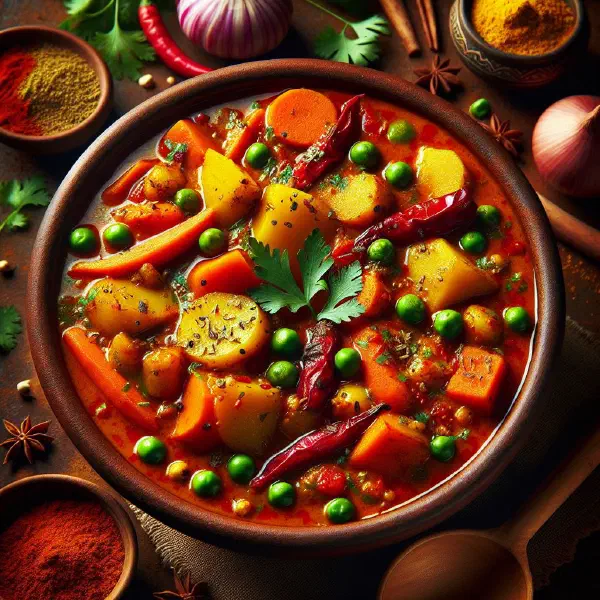
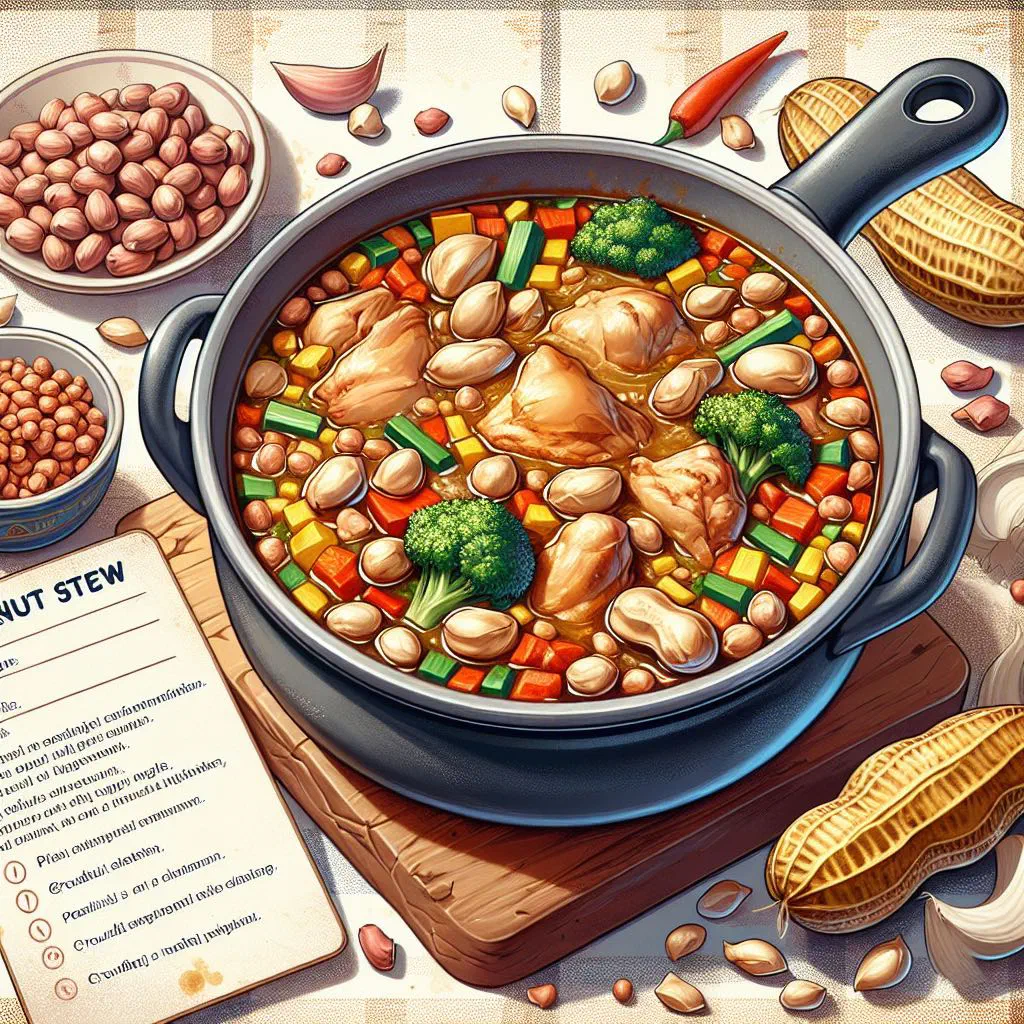
Discover Groundnut Stew, the nourishing peanut classic that has carried Ugandan cooking far beyond East Africa. Creamy peanut butter melts into a fragrant broth of sweet potato, carrot, ginger and warm spice, giving you a bowl that is rich without ever feeling heavy. It is generous, protein-packed comfort food. Ideal on a cold evening, and every bit as welcome at a lively table full of friends.
About Groundnut Stew
Groundnut Stew, also known simply as peanut soup, is a deeply traditional Ugandan dish that has won over food lovers around the world. It brings together the silky texture of peanut butter with fresh vegetables and a range of spices that create a flavour you will not find anywhere else. The dish is not only delicious but genuinely nourishing and high in protein. On cold days in particular, groundnut stew is a wonderful way to warm both body and soul.
Ingredients (serves 1–2)
- 2 cups vegetable stock
- 1/2 cup peanut butter
- 1 medium onion, diced
- 1–2 carrots, diced
- 1 small sweet potato, diced
- 2 cloves of garlic, chopped
- 1 teaspoon grated ginger
- 1 teaspoon curry powder
- Salt and pepper to taste
- Fresh coriander, to garnish
Shopping for the ingredients
When shopping for the ingredients for groundnut stew, it pays to choose good-quality products. Look for a natural peanut butter made without added sugar or palm oil. It makes an enormous difference to the finished dish. Fresh vegetables such as carrots and sweet potatoes are ideal for deepening the flavour. Most of these ingredients are readily available in a well-stocked supermarket or at a local farmers’ market.
Preparing the dish
Preparing groundnut stew is refreshingly straightforward and gives you a good opportunity to wash and ready all your fresh ingredients with care. Begin by cutting the vegetables into evenly sized pieces so that everything cooks through at the same rate. Chop the onion and garlic, and grate the ginger to release its aroma. Good preparation is the key to a well-balanced final result.
Step-by-step instructions
- Heat a large pot over medium heat and add the diced onion. Fry until golden brown.
- Add the chopped garlic, the grated ginger and the curry powder, and toast the mixture for about a minute.
- Tip in the diced carrots and sweet potato and pour over the vegetable stock. Let everything simmer for 15–20 minutes, until the vegetables are tender.
- Stir in the peanut butter until it is fully blended into the soup, then simmer for a further 5 minutes.
- Season with salt and pepper and garnish with freshly chopped coriander just before serving.
Gluten-free / lactose-free version
Groundnut stew is naturally gluten-free and lactose-free, which makes it an excellent choice for anyone with those intolerances. Do check, however, that every ingredient you use, the vegetable stock in particular, is also free from gluten and lactose. Read the labels carefully to rule out hidden additives. Once you have done that, you can enjoy the dish without any worry about your dietary requirements.
Tips for vegans and vegetarians
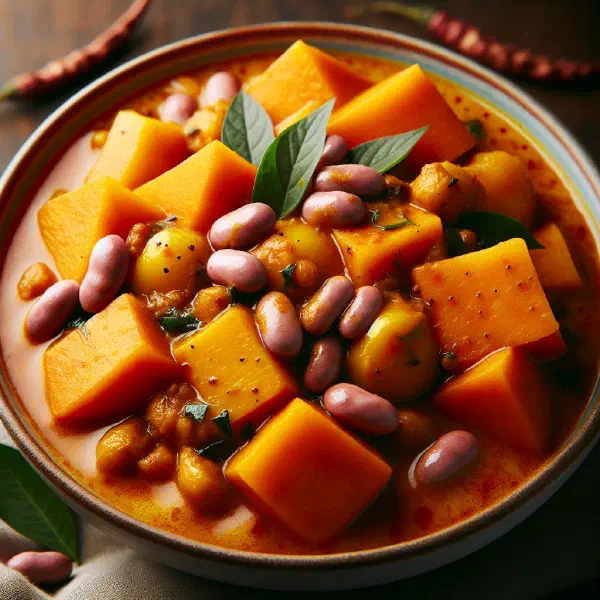
Groundnut stew suits vegans and vegetarians perfectly, since it contains no animal products at all. To make it even higher in protein, stir in extra beans or lentils; they add body as well as nutrition, much like the hearty Pasted Beans served across the country. Versatility is the whole point here: vary the vegetables with the seasons and your own preferences, and you will keep discovering new flavours.
More tips and tricks
A few small tricks will push the flavour of your groundnut stew even further. Frying the onion and spices before adding any liquid intensifies the aromas and builds a much deeper base. For extra lift, add a squeeze of lemon juice or a pinch of chilli flakes. You can also play with the consistency by adding more or less stock until you reach the texture you like best.
Adapting the recipe to your taste
Adapting groundnut stew to your own preferences is easy and makes the dish feel entirely your own. Add different vegetables such as spinach, courgette or peppers for variety, or borrow the leafy greens from a classic Nakati Sauce. The peanut butter can vary too. Try roasted-peanut versions or spiced blends. Let your creativity run and shape the recipe around your palate.
Ingredient substitutions
There are plenty of alternatives for the ingredients in groundnut stew. Instead of peanut butter you might use almond or cashew butter for a fresh twist on the flavour. In place of vegetable stock, coconut milk makes a wonderfully creamy base. Sweet potato can also be swapped for cassava, as in the simple Boiled Cassava eaten across the country. Experiment freely to match the recipe to your taste and to whatever is available.
Drink pairing ideas
Several drinks work beautifully with groundnut stew and underline its flavours. A light wheat beer or a floral tea makes a refreshing companion. If you prefer something alcohol-free, try a fruity smoothie or a ginger lemonade, which picks up the spices in the dish superbly. Choose whatever appeals to you and your guests and lets the meal shine.
Serving and presentation ideas
Presentation plays a real part in how a dish is received. Serve the groundnut stew in colourful bowls and garnish with fresh coriander and a slice of lemon. A scattering of fresh chilli adds both colour and a gentle heat. Warm flatbreads such as Chapati on the side are ideal for mopping up the sauce, and a careful presentation shows the same attention to detail you brought to the cooking.
A bit of history
Groundnut stew has its roots in traditional Ugandan cooking, a cuisine shaped strongly by the availability and variety of local produce. The use of peanuts is culturally as well as culinarily significant, since they count as a staple food across many African countries. The dish has a long history and is handed down within families in countless different versions. Each family recipe adds something to the cultural identity and culinary traditions of Ugandan cuisine.
More recipe ideas
Summary: Groundnut Stew
To sum up, groundnut stew is a versatile and nourishing dish that tastes superb and is genuinely simple to make. It offers endless scope for adaptation and variation, which makes it ideal for everyone, whether you are vegan, vegetarian or simply someone who loves Ugandan food. Enjoy the aromas and traditions of this delicious national dish and bring a little piece of Uganda into your own kitchen. Let this classic win you over, and savour every hearty spoonful.