National Dish Uganda: Katogo (Recipe)
In this article
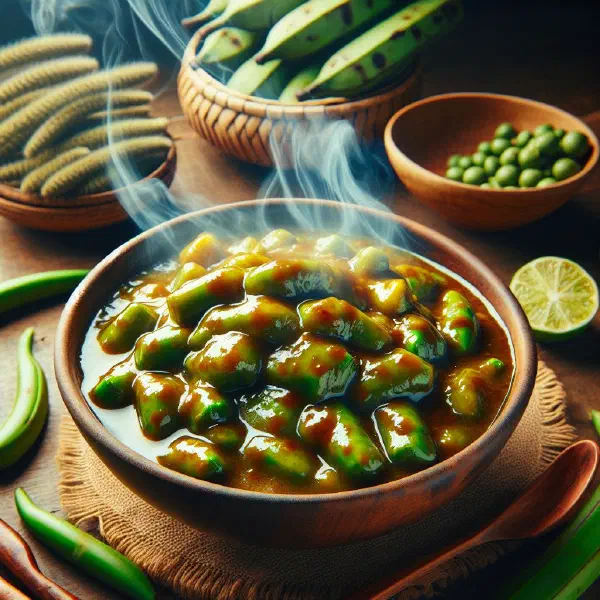
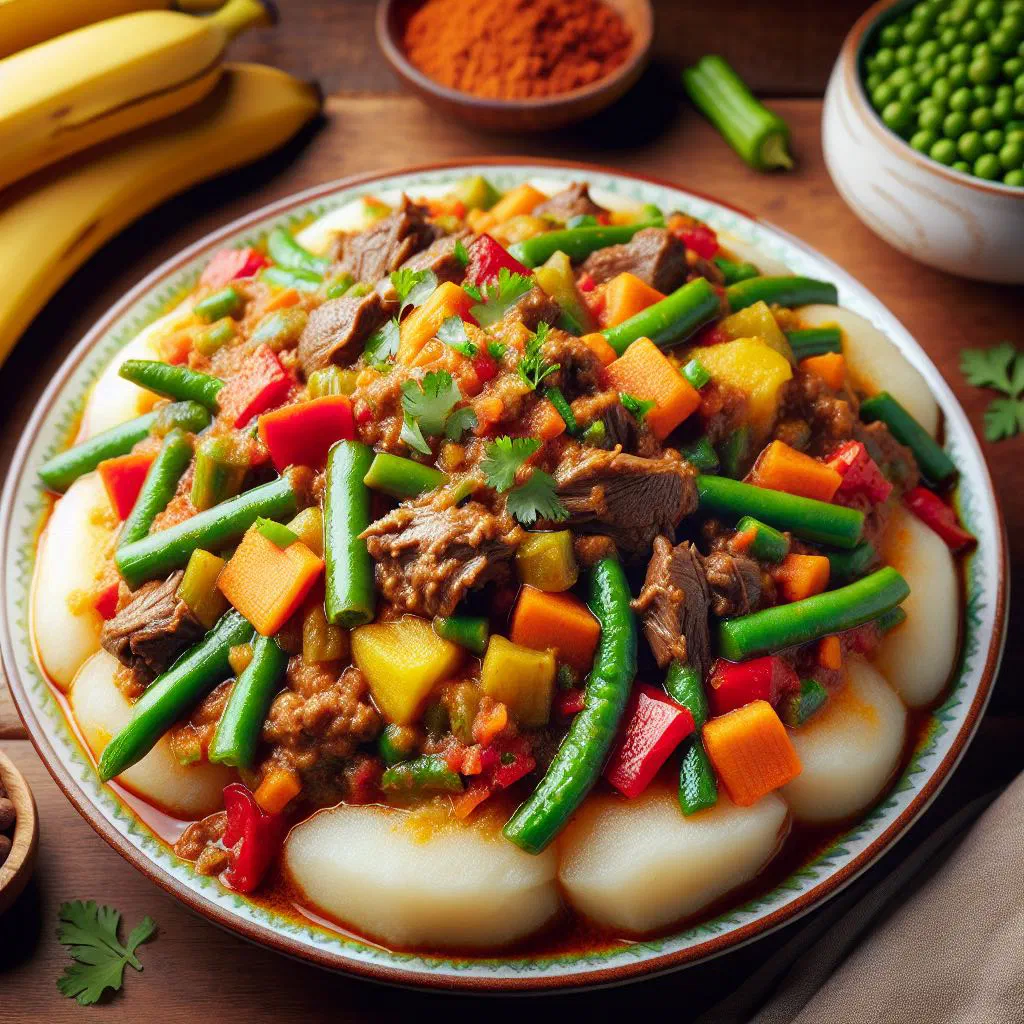
Discover Katogo, Uganda’s much-loved comfort dish. It brings together firm green plantains, tender pieces of meat and a fragrant vegetable stew in a single pot. Simple, filling and endlessly homely, it is the sort of food that fills a kitchen with warmth long before it reaches the table. Cook it once and you will understand why Ugandan families return to it week after week.
About Katogo
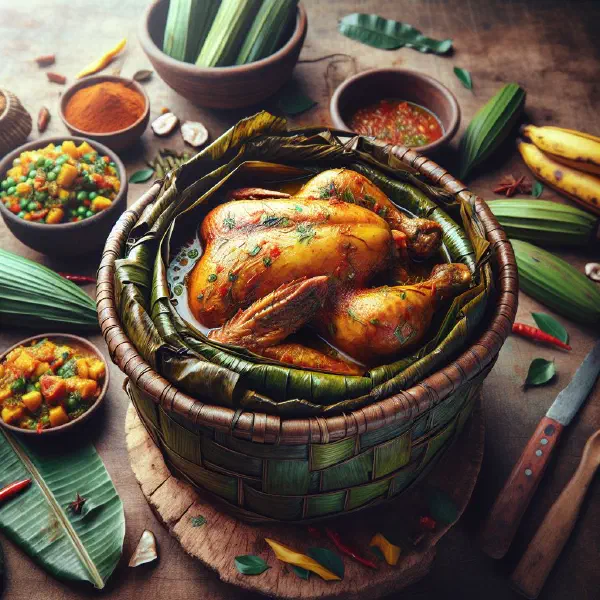
Katogo is a traditional Ugandan dish built on a harmonious combination of plantains, tender meat and an aromatic vegetable stew. It is cooked in countless home kitchens across the country and reflects the culinary variety of the region beautifully. Making Katogo is not only a cooking exercise but a small piece of Ugandan culture, often served at celebrations and family gatherings. Let the rich aromas and the hearty texture win you over, and bring a taste of Uganda to your own table.
Ingredients (serves 1–2)
- 2 ripe plantains
- 300 g beef or chicken
- 1 onion
- 2 cloves of garlic
- 1 pepper (red or green)
- 2 carrots
- A small amount of seasoning (salt, pepper, paprika)
- Oil for frying
- Water as needed
Shopping for the ingredients
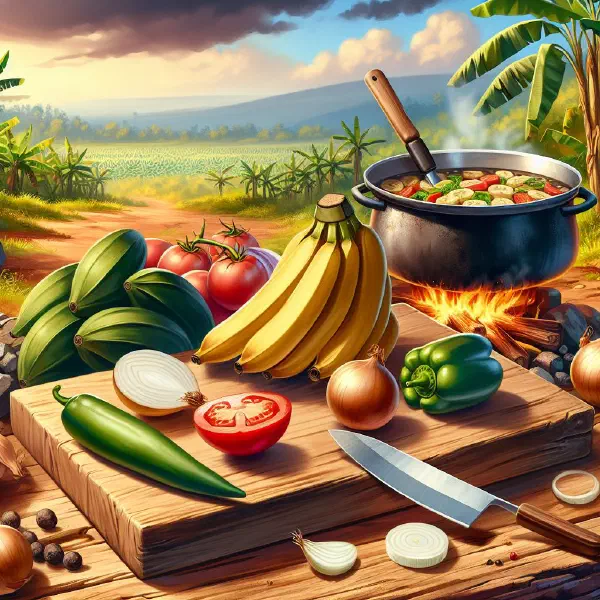
For Katogo it is important to choose fresh, good-quality ingredients. Visit a local market to find ripe plantains and fresh vegetables at their best. Buy the meat from a source you trust, so the flavour and the texture live up to the dish. Do not forget the seasonings either. They carry the character that makes this stew taste the way it should, much as the spice blend does in a good Chicken Pilau.
Preparing the dish
Preparation matters a great deal to the final result of Katogo. Begin by cutting the plantains into thick slices and setting them aside. The meat should be cut into small pieces so it cooks evenly and stays juicy. The vegetables, onions and pepper in particular, need washing and chopping into small pieces to give the stew a pleasant consistency.
Step-by-step instructions
- Heat the oil in a large pan and add the onions and garlic, cooking until golden brown.
- Add the meat and brown it well on all sides.
- Stir in the chopped vegetables along with the seasonings and let everything cook for a few minutes.
- Pour in enough water to cover all the ingredients and bring to the boil.
- Lower the heat and let it simmer for around 30 minutes, until the meat is tender.
- Add the plantain slices and cook the mixture for a further 10–15 minutes, until the plantains are soft.
Gluten-free / lactose-free version
One of the great advantages of Katogo is that it is naturally gluten-free and lactose-free. The main ingredients are meat and vegetables, which means anyone with a gluten intolerance or lactose intolerance can enjoy the dish without difficulty. Do check the oils and seasonings you use for possible allergens, so they too are free of gluten and dairy.
Tips for vegans and vegetarians
For vegans and vegetarians, Katogo adapts very easily. Replace the meat with a mixture of pulses such as lentils or chickpeas, which make an excellent source of protein in their own right. The dish also takes well to tofu or tempeh if you want to keep a firmer texture, and a spoonful of Ugandan Peanut Sauce adds real depth. Remember to adjust the seasonings so the flavours still come through clearly.
More tips and tricks
A few small touches improve Katogo considerably. Use fresh herbs such as thyme or parsley to add another layer of aroma. A squeeze of lemon juice just before serving rounds the flavour off wonderfully. Experiment with different vegetables too, both to add variety and to shape the dish to your own taste.
Adapting the recipe to your taste
The adaptability of Katogo is one of the main reasons it is so popular in Uganda. Feel free to vary the type of meat you use, or to add different vegetables depending on the season and what is available. You can also adjust the heat to suit yourself by adding more or less of the hotter spices. That flexibility makes the dish appealing to traditional and modern palates alike.
Ingredient substitutions
If a particular ingredient for Katogo is not available, there is usually a simple alternative. Plantains, for instance, can be replaced with sweet potatoes, which give a similarly creamy texture. For the meat there are plant-based alternatives that support a vegetarian or vegan version. Keep an eye on the cooking time, as different ingredients may need longer or shorter in the pan.
Drink pairing ideas
To accompany your Katogo, several drinks work nicely. A light, fruity beer or a refreshing ginger ale both make ideal partners. Wine drinkers will find a dry white wine complements the flavours of the dish very well. A simple glass of water with lemon or mint is another refreshing choice.
Serving and presentation ideas
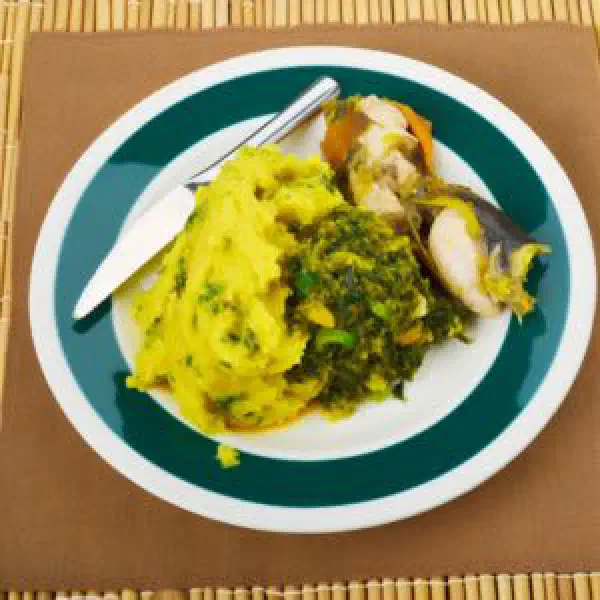
Presentation can lift the whole Katogo experience. Serve the dish in a large, shallow bowl and garnish it with fresh herbs such as coriander or parsley for colour and aroma. Small bowls of extra sides such as salsa or chutney can find a place on the table too, letting guests build their own portions. We eat with our eyes as much as our mouths.
A bit of history
Katogo has its roots in Ugandan history and is closely tied to the traditions of many ethnic groups. It was originally prepared as a nourishing, filling meal for large families. Over recent decades its popularity has grown, and today it is a symbol of Ugandan cuisine around the world. Many Ugandans also associate it with moments shared with family, which makes it part of the country’s cultural heritage.
More recipe ideas
Summary: Katogo
In short, Katogo is not only a delicious dish but an important part of Ugandan gastronomy and culture. The mixture of plantains, tender meat and aromatic vegetables makes it a genuine pleasure to eat. Katogo is sure to charm your taste buds. Enjoy it with friends and family and experience one of the finest dishes Uganda has to offer.