National Dish Uganda: Matooke with Groundnut Sauce (Recipe)
In this article
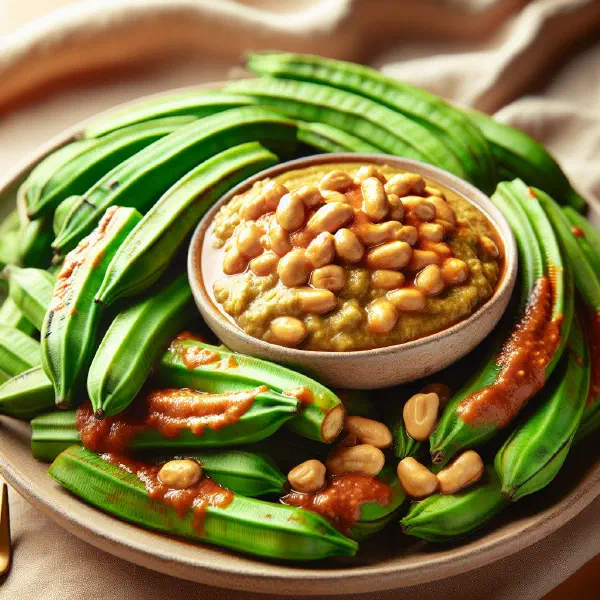
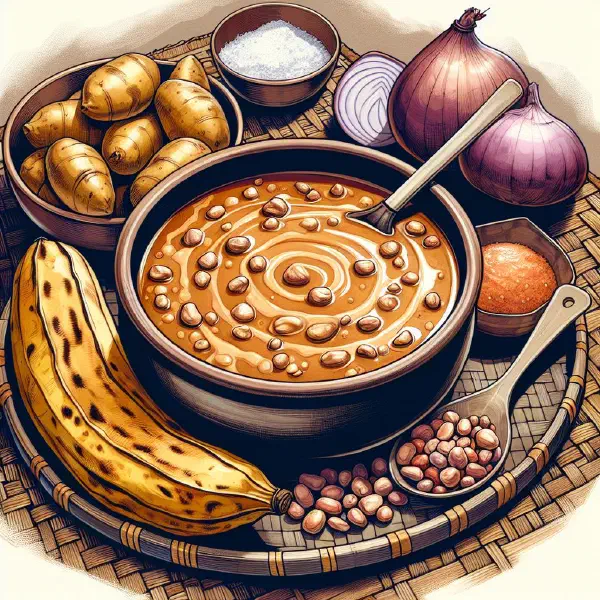
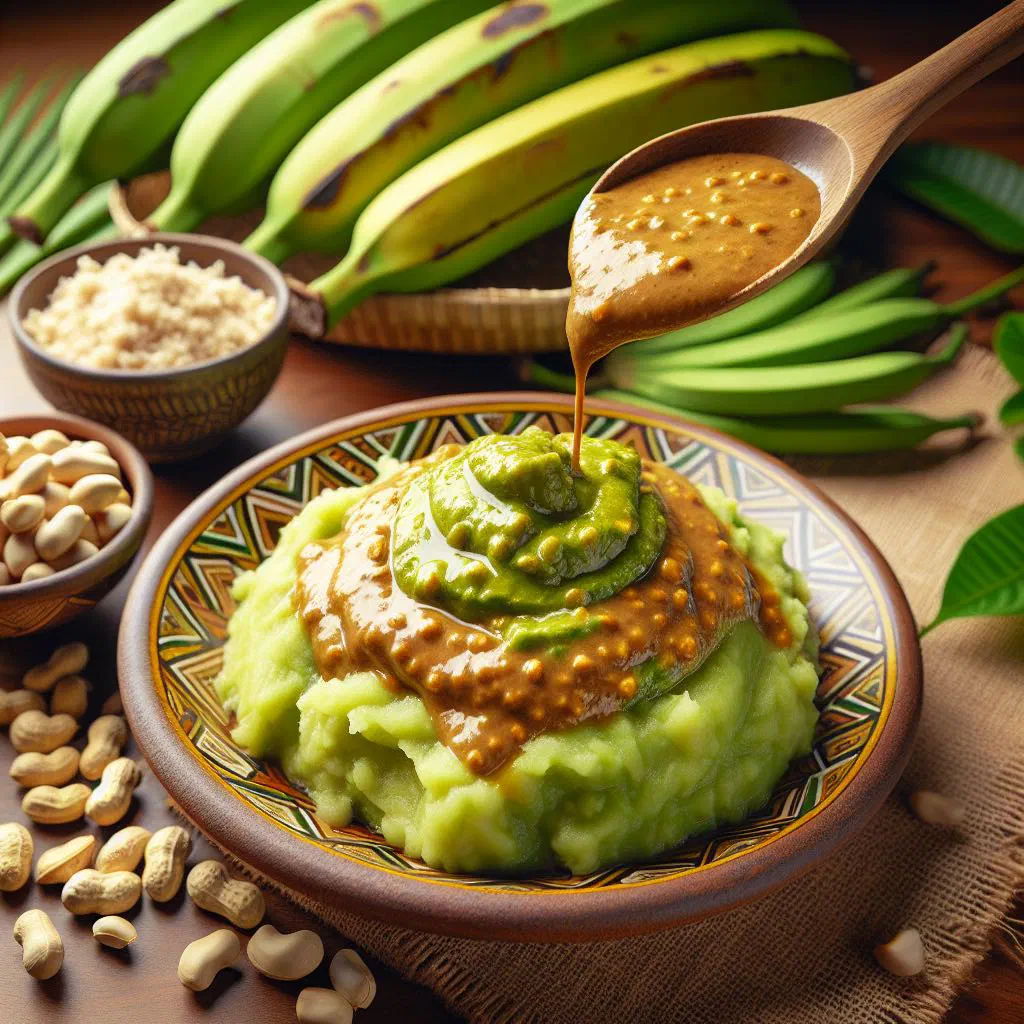
Discover Matooke with Groundnut Sauce, the dish that sits at the very heart of Ugandan home cooking. Softly steamed green plantains meet a rich, nutty sauce built on peanut butter, onion and tomato, simple ingredients that turn into something remarkably comforting. It is filling, naturally plant-based and endlessly forgiving, which is exactly why Ugandan families have been making it for generations.
About Matooke with Groundnut Sauce
Ugandan cooking is rich in aromas and traditions, and few dishes show that better than matooke served with groundnut sauce. The pairing of steamed plantains with a creamy peanut sauce delivers a real burst of flavour while also forming a cornerstone of everyday eating. Matooke itself is made from a particular variety of cooking banana grown widely across the country, closely related to the plantains used in Amatooke. The dish is nourishing, affordable and a wonderful way into the food culture of Uganda.
Ingredients (serves 1–2)
- 4–6 cooking bananas (matooke)
- 1 cup peanut butter
- 1 onion
- 2–3 cloves of garlic
- 1 tomato
- 2 cups water
- Salt to taste
- Pepper to taste
- Optional: chilli for heat
Shopping for the ingredients
When shopping for matooke with groundnut sauce, choosing fresh cooking bananas matters most. Look for a green to lightly yellow skin, which tells you they are at the right stage for cooking. The peanut butter should be pure and free of added sugar so the natural nuttiness comes through. Onion, garlic and tomato round things out with freshness and aroma. You will find all of these in most supermarkets or at African and Asian grocers, where the same staples turn up in dishes such as Groundnut Stew.
Preparing the dish
Preparation starts with peeling the plantains. Take the skin off carefully so you do not damage the flesh, then cut the bananas into even pieces. Finely chop the onion and garlic, and dice the tomato small. These small steps matter: they make sure everything cooks evenly and that the flavours have a chance to open up fully.
Step-by-step instructions
- Put the matooke in a pan and cover with water. Steam gently over low heat for around 30–40 minutes, until soft.
- In a frying pan, sauté the onion and garlic in a little oil until translucent.
- Add the diced tomato and cook briefly until it softens.
- Stir in the peanut butter along with a splash of water to create a creamy sauce. Season with salt and pepper to taste.
- Spoon the groundnut sauce over the steamed matooke and mix well.
Gluten-free / lactose-free version
This recipe is naturally gluten-free and lactose-free. The main components, plantains and peanut sauce, contain neither gluten nor dairy, so anyone with these intolerances can tuck in without a second thought. That makes it an excellent option for households juggling several dietary needs at once.
Tips for vegans and vegetarians
For vegans and vegetarians, matooke with groundnut sauce is a perfect choice. It contains no animal products at all and is entirely plant-based. To make it even more nourishing, stir in extra greens such as spinach or broccoli for additional vitamins and minerals, much as you would in Doodo. This boosts the nutritional value and gives you a brighter, more appealing plate.
More tips and tricks
The key tip when cooking matooke is to steam the plantains thoroughly so you reach that perfect soft texture. If you have no peanut butter to hand, other nut butters such as almond or cashew will give the sauce a different character. Experiment with spices like cumin or ginger to add your own signature. Small adjustments like these can change the flavour considerably and make the dish yours.
Adapting the recipe to your taste
This recipe adapts easily to personal preference. If you like heat, simply add a few chopped chillies. Use more or less peanut butter depending on how thick and creamy you want the sauce. You can also shift the flavour by folding in other vegetables or pulses. That flexibility means you can vary the dish endlessly and keep it in line with your own tastes.
Ingredient substitutions
If you are looking for alternatives to the traditional ingredients, other varieties of banana that are easier to find will work in place of true matooke. The peanut butter can be swapped for any nut butter you prefer to change the flavour profile. For those with a nut allergy, sunflower seed butter or tahini make good stand-ins, the latter appearing in Ugandan kitchens as Simsim Paste. These options let you enjoy the dish in many different variations.
Drink pairing ideas
Plenty of drinks suit matooke with groundnut sauce. A refreshing lemon water or a herbal tea makes an excellent companion and lets the flavours speak. If you prefer something alcoholic, try a light, fruity beer or a red wine. All of these sit well alongside the savoury, nutty character of the dish and round the meal off nicely.
Serving and presentation ideas
Thoughtful presentation lifts the whole experience. Serve the dish on a large platter placed in the middle of the table and garnish with fresh herbs such as coriander or parsley. This adds colour as well as extra flavour. A well-laid table with colourful crockery and a relaxed atmosphere will impress your guests just as much as the food.
A bit of history
Matooke has a long history in Uganda and has been a staple food for generations. The method of preparing it has barely changed over time and is usually passed down within families. The pairing of matooke with groundnut sauce reflects rural life and the culinary traditions of the country, a thread that runs through much of Ugandan cuisine. More than simply nourishing, the dish is a symbol of hospitality and community.
More recipe ideas
Summary: Matooke with Groundnut Sauce
Matooke with groundnut sauce is a delicious, nourishing dish that represents Ugandan cooking beautifully. It brings together the gentle flavour of steamed plantains with a creamy, generous peanut sauce. Beyond being straightforward to make, it is genuinely versatile, adapting without fuss to different preferences and diets. Give it a try and experience the distinctive flavours Uganda has to offer.