National Dish Uganda: Millet Bread (Recipe)
In this article
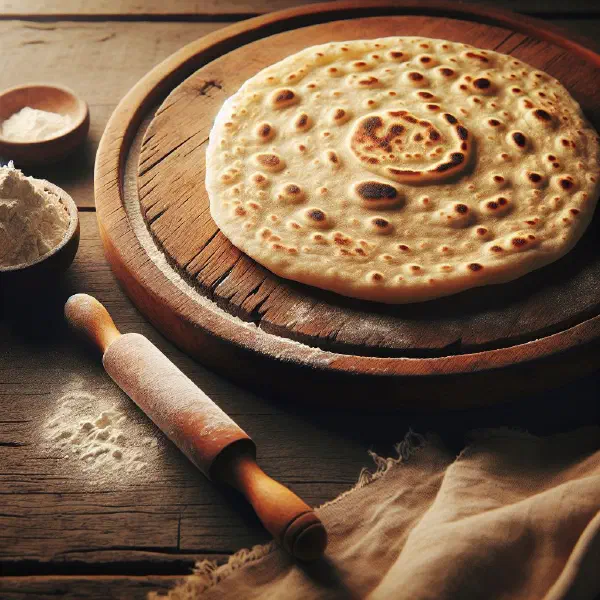
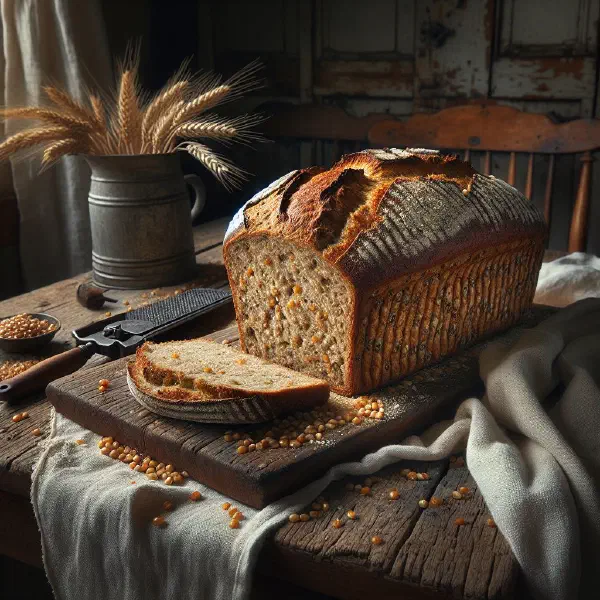
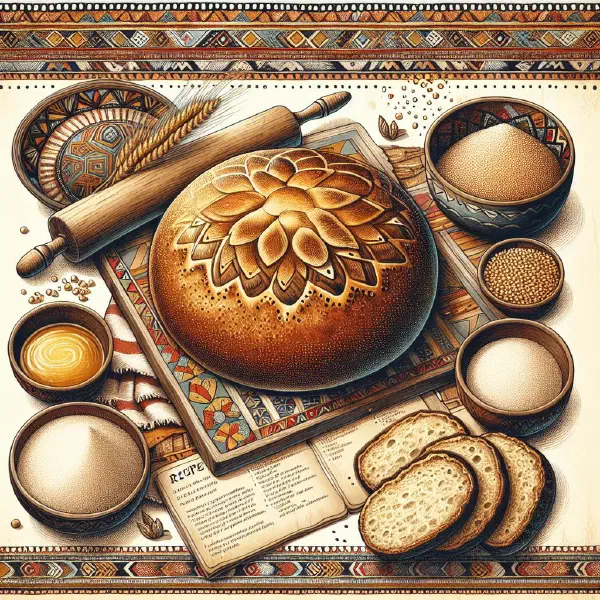
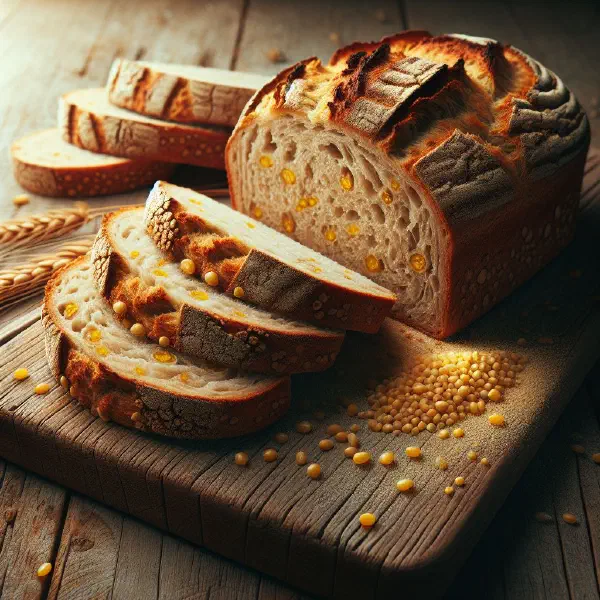
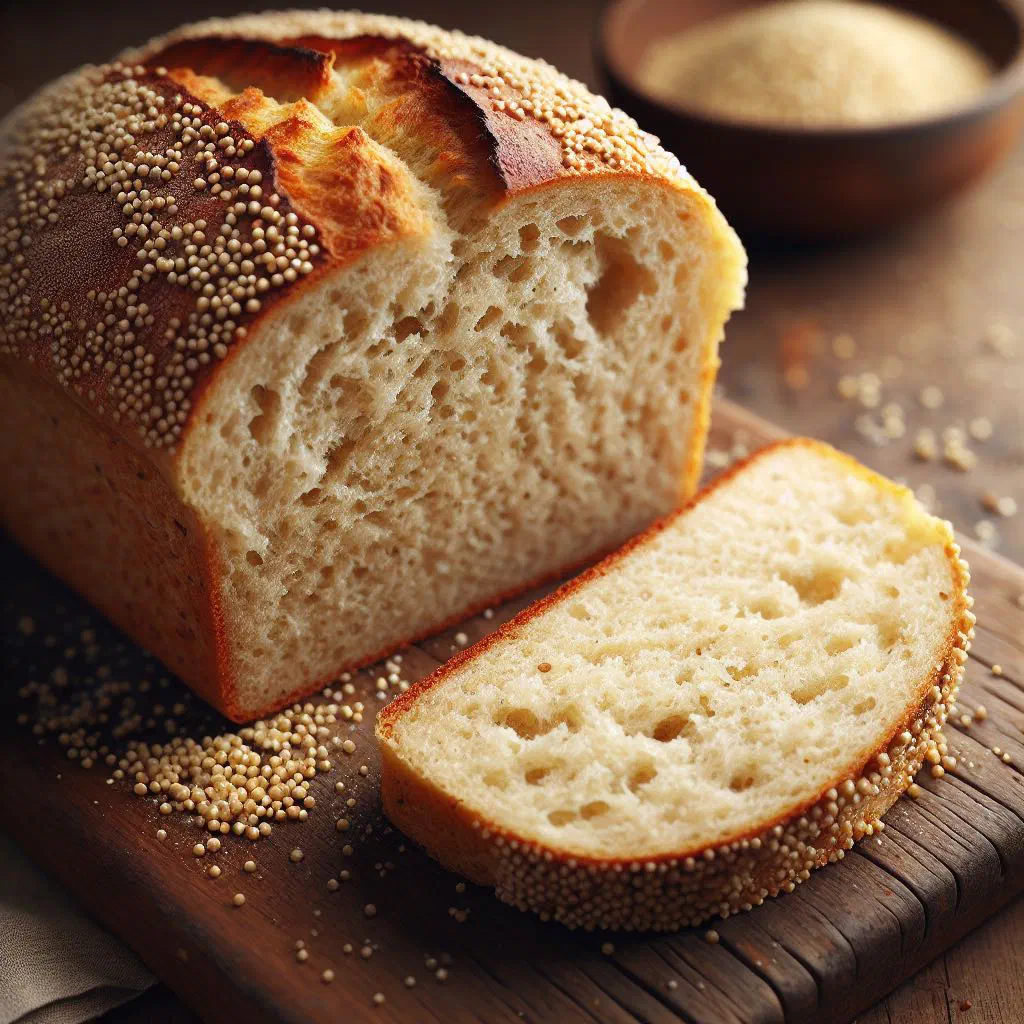
Discover Millet Bread, a wholesome staple loaf that has fed Ugandan households for generations. Made from nothing more than millet flour, water and a little oil, it is naturally gluten-free and carries a gently nutty flavour you will not find in ordinary wheat bread. The crumb is dense yet tender, perfect for mopping up stews or eating simply with a smear of something sweet. Bake it once and it may well earn a permanent place in your kitchen.
About Millet Bread
Millet Bread is far more than a simple loaf; it is a piece of Uganda’s culinary heritage. Millet flour is the main ingredient, which makes this bread naturally gluten-free and an excellent alternative for anyone living with a gluten intolerance. The nutty character of the millet gives the loaf a distinctive note that sets it apart from other breads. Millet Bread also plays a central role in Ugandan food culture, appearing at festive gatherings and on everyday tables alike, much as Posho does in its own way.
Ingredients (serves 1–2)
- 1 cup millet flour
- 1/2 cup water
- 1/4 teaspoon salt
- 2 tablespoons oil (coconut oil or olive oil, for example)
- 1 teaspoon baking powder
Shopping for the ingredients
Tracking down fresh, good-quality ingredients makes all the difference to a successful Millet Bread. Millet flour is stocked by many supermarkets and by most health food and wholefood shops. Make sure the flour is fresh, as this is what brings out the best flavour in the finished loaf. The choice of oil matters too, so it is worth trying a few different varieties to see which one you prefer.
Preparing the dish
Before you start making Millet Bread, gather everything you need on the worktop. Measure the millet flour accurately and have the water, salt and baking powder ready to hand. It pays to combine the dry ingredients thoroughly in a bowl before you begin the actual mixing. This ensures everything is evenly distributed and gives the bread a consistent, even crumb.
Step-by-step instructions
- Combine the millet flour, salt and baking powder in a bowl.
- Add the water and the oil and stir well until you have a smooth dough.
- Transfer the dough to a greased tin and spread it out evenly.
- Bake in a preheated oven at 180°C for around 30 minutes.
- Turn the loaf out of the tin once baked and leave it to cool.
Gluten-free / lactose-free version
Happily, Millet Bread is already gluten-free, since it is made entirely with millet flour. For a lactose-free version, simply use a plant-based oil rather than butter or any other dairy product. You can also reach for plant-based substitutes elsewhere in the recipe to keep the loaf completely free of animal products. That makes this bread a great choice for anyone managing several different food intolerances.
Tips for vegans and vegetarians
Vegans and vegetarians will love Millet Bread, as the recipe contains no animal products of any kind by default. To boost its nutritional value, work in seeds, nuts or dried fruit as you mix the dough. This adds not only extra flavour but valuable nutrients too. Just be sure to choose additions that suit your diet and match your own taste.
More tips and tricks
There are plenty of small tricks that will help you bake the very best Millet Bread. Millet flour keeps best somewhere cool and dry, which preserves its freshness and its delicate aroma. Experiment with the ratio of flour to liquid until you hit the consistency you like. It is also worth playing with the baking time, depending on how deeply browned and how firm you want the crust to be.
Adapting the recipe to your taste
Tailor the Millet Bread recipe to your own preferences by adding different herbs or spices. Fresh herbs, or warming spices such as caraway or rosemary, lend the loaf an extra dimension of flavour. Think about sweetness as well; a little honey or agave syrup can give the bread an appealing lift.
Ingredient substitutions
If you find yourself missing an ingredient, there are usually good alternatives to hand. In place of millet flour you could try other gluten-free flours such as amaranth or buckwheat, the same spirit of resourcefulness that shapes a dish like Kikomando. For the liquid, plant-based milk or even a light stock will work and will add extra savoury depth. Stay open to adjustments so you can work with whatever is in the cupboard and still get a delicious result.
Drink pairing ideas
Millet Bread pairs beautifully with a whole range of drinks. A robust African coffee or a sweet tea makes a perfect companion to the loaf. A refreshing fruit smoothie is another tasty and wholesome option, particularly at breakfast. Try a few different pairings to work out which one suits you best.
Serving and presentation ideas
The way you present your Millet Bread can turn a simple bake into something memorable for guests. Serve it on a rustic wooden board and garnish with fresh herbs. Offer a selection of spreads and dips that complement the texture and flavour of the loaf, alongside a warming side such as Groundnut Stew. Attractive presentation adds to the pleasure of eating and makes the whole table look more inviting.
A bit of history
The story of Millet Bread runs deep through Ugandan culture. Millet is a traditional grain that has been cultivated and processed by Ugandan communities since ancient times. The bread is often eaten at festive occasions and communal gatherings, and has established itself as a versatile, nourishing everyday food. It is a symbol of community and of sharing food with family and friends, which is very much the spirit of Ugandan cuisine.
More recipe ideas
Summary: Millet Bread
In short, Millet Bread is an outstanding example of the delicious, nourishing food that comes out of Uganda. With its handful of simple ingredients and its straightforward method, it suits complete beginners and seasoned bakers equally well. It offers a genuinely healthy, gluten-free alternative to conventional bread and can be adapted in any direction you fancy. Let its nutty aromas and its cultural significance inspire you, and give it a go yourself.