National Dish Uganda: Nsenene (Recipe)
In this article
Discover Nsenene, one of Uganda’s most distinctive delicacies. These seasonal grasshoppers are roasted until golden and crisp, then seasoned simply with salt and paprika for a snack that is every bit as moreish as it is nourishing. Twice a year, when the rains bring the swarms, whole neighbourhoods gather to catch and cook them. Bring a piece of that celebration into your own kitchen with this straightforward recipe.
About Nsenene
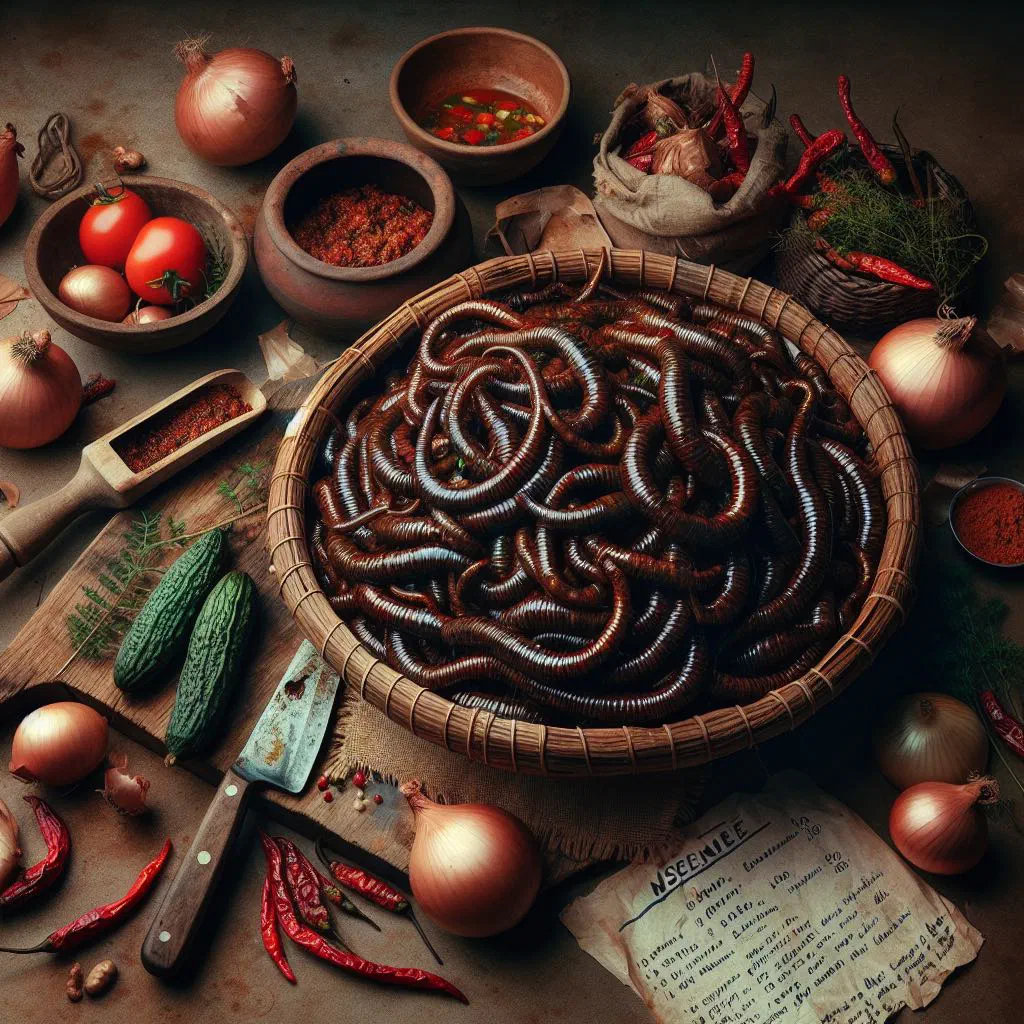
Nsenene, roasted grasshoppers, are a genuine culinary highlight in Uganda and a proud expression of the country’s cultural identity. They are most often served as a snack or a side dish, and they offer a flavour experience unlike anything else. Beyond being delicious, nsenene are rich in protein, fibre and important micronutrients, which makes them a genuinely healthy choice. In Uganda they are especially prized during the harvest seasons in spring and autumn.
Ingredients (serves 1–2)
- 500 g fresh grasshoppers (nsenene)
- 2 teaspoons salt
- 1 teaspoon paprika
- Oil, for roasting
Shopping for the ingredients
A handful of good ingredients is all it takes to make nsenene well. The grasshoppers themselves should be fresh and of dependable quality. In Uganda they are widely sold at local markets during the season, while further afield you will find edible insects in international and Asian grocery shops as well as from specialist suppliers online. Whatever the source, look for freshness and cleanliness. Both make a noticeable difference to the finished dish.
Preparing the dish
Getting nsenene ready is simple, but it does reward a little care. Begin by washing the grasshoppers thoroughly and picking out any wings, legs or other bits you would rather not eat. Then tip them into a bowl and toss with the salt and paprika so the seasoning coats them evenly. Leave the mixture to rest for around 15 minutes, giving the spices time to work their way in before the roasting begins.
Step-by-step instructions
- Roast the marinated grasshoppers in a pan with a little oil over medium heat.
- Stir occasionally until they turn golden brown and crisp.
- Season with a further teaspoon of salt if you like.
- Take the nsenene off the heat and let them cool a little before serving.
Gluten-free / lactose-free version
Nsenene are naturally gluten-free and lactose-free, which makes them an excellent option for anyone managing a food intolerance. The spices and oil used here are normally free from both as well. Do check spice packets for additives that might contain gluten, particularly in ready-made blends, a quick look at the label is enough to be sure the dish will suit everyone at the table.
Tips for vegans and vegetarians
Because nsenene are made from grasshoppers, they are not suitable for vegans or vegetarians. As an alternative, consider other protein-rich plant-based snacks such as roasted chickpeas or edamame beans, both of which deliver the same satisfying crunch without any animal products. A generous hand with the seasoning will get you close to that savoury, smoky character. For a fully plant-based Ugandan spread, pair them with Binyebwa or a bowl of Doodo.
More tips and tricks
For the best results, roast the grasshoppers evenly so that every one turns properly crisp. Use a large pan so they have room to move and do not clump together, crowding steams them instead of crisping them. For extra depth of flavour you can add garlic powder or chilli powder to the mix. Do experiment with different spices until you land on your own version of nsenene.
Adapting the recipe to your taste
The nsenene recipe adapts easily to personal preference. If you like more heat, add extra chilli powder or a few fresh chillies to the pan. For a subtle sweetness, stir a teaspoon of brown sugar into the spice mix before roasting. The possibilities are wide open, so everyone can end up with a version that is entirely their own.
Ingredient substitutions
If fresh grasshoppers are not available where you are, look for other insects farmed for human consumption, such as crickets or mealworms sold as ready-packed snacks. These offer a comparable protein source and a similar flavour experience. Beyond that, you might try different spice blends or oils to take the dish in a new direction, much as cooks do with the seasoning for Muchomo.
Drink pairing ideas
Nsenene go beautifully with refreshing drinks. A chilled Uganda Waragi, the local gin, served with lime is a firm favourite. Alternatively, choose fresh fruit juice or a light beer to balance the seasoning on the grasshoppers. The aim is simply to pick something that lifts rather than overwhelms the savoury, peppery flavours of the dish.
Serving and presentation ideas
There is plenty of room to be creative when serving nsenene. Present the roasted grasshoppers on a rustic wooden board or heaped in an attractive bowl at the centre of the table. Garnish with fresh herbs or a squeeze of lemon for a splash of colour and brightness. A few well-chosen sides, a simple salad, or a portion of Posho, round the plate out nicely.
A bit of history
Nsenene have a long history in Ugandan cooking and are firmly part of the country’s traditional food culture. In many villages the grasshoppers are valued both for their high nutritional content and for their delicious taste. They have long served not only as a food source but as an important cultural delicacy, with catching and selling them a seasonal livelihood in its own right. Preparing and eating nsenene often draws families and friends together, and that shared, sociable spirit runs right through Ugandan cuisine.
More recipe ideas
Summary: Nsenene
Nsenene are a delicious and nourishing delicacy that no exploration of Ugandan cooking should skip. They deliver a flavour experience quite unlike anything else, and one that is rich in protein and valuable nutrients. The preparation is refreshingly uncomplicated, and the many ways to adjust the seasoning mean you can shape the recipe entirely around your own taste. Step into the world of nsenene and add this remarkable speciality to your kitchen.