National Dish Uganda: Nsenene with Posho (Recipe)
In this article
Discover Nsenene with Posho, one of Uganda’s most talked-about plates. Crisp roasted grasshoppers meet a soft, creamy maize porridge in a pairing that is every bit as nourishing as it is memorable. Seasonal, protein-packed and deeply rooted in local food culture, nsenene are a delicacy Ugandans look forward to each year, and posho is the gentle, comforting base that lets them shine. Bring a genuine taste of East Africa to your own kitchen.
About Nsenene with Posho
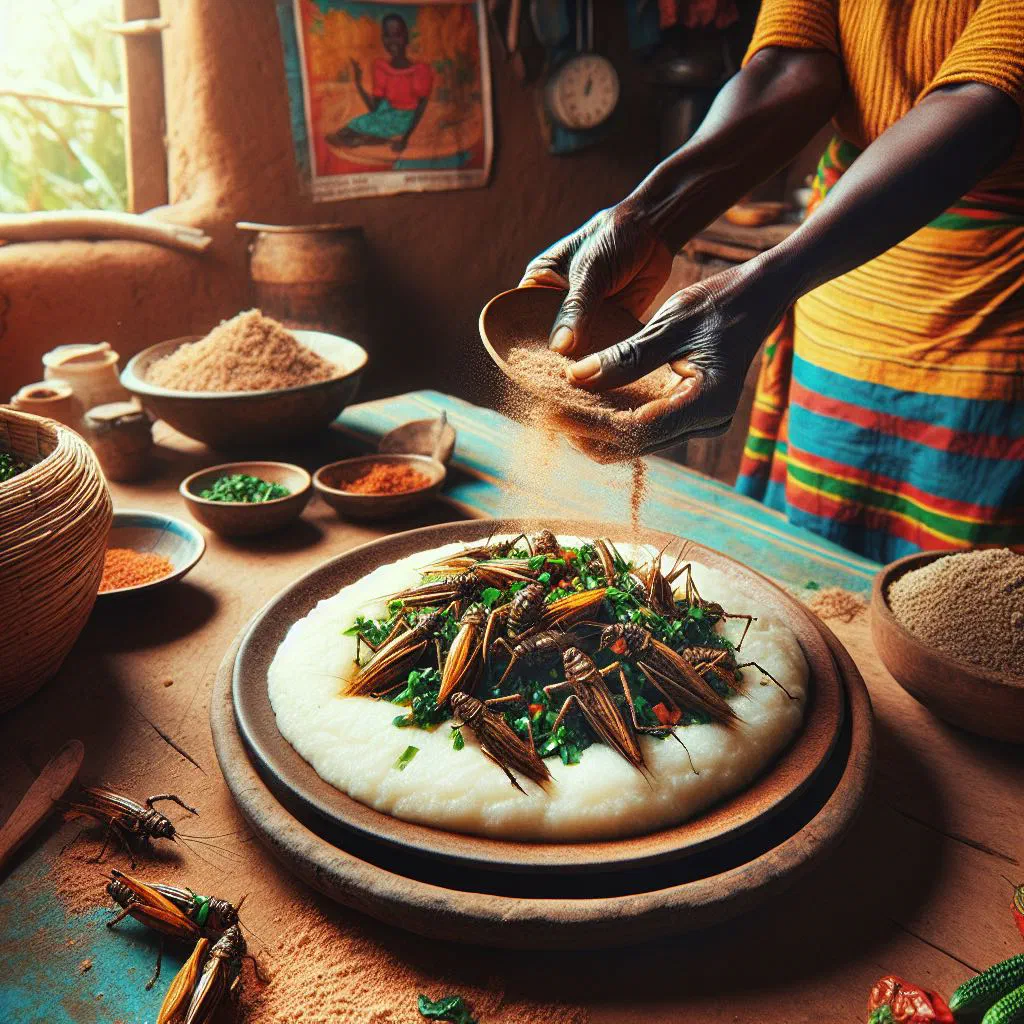
Nsenene, the roasted grasshoppers, are a traditional food in Uganda and a remarkably rich source of protein. They are most often served alongside Posho, a satisfying maize porridge that rounds off the flavours perfectly. The combination is nutritious, exciting and quite unlike anything else, offering a genuinely unique eating experience. Many Ugandans prize this pairing both for its health benefits and for the sheer sustenance it provides.
Ingredients (serves 1–2)
- 250 g nsenene (grasshoppers)
- 200 g maize meal
- 500 ml water
- 1 teaspoon salt
- 2 tablespoons oil (optional, for the grasshoppers)
Shopping for the ingredients
The ingredients for nsenene and posho are stocked by many African and international grocers. Roasted grasshoppers in particular turn up in Asian food markets or through specialist online shops. When buying, check that the insects are fresh and free from additives. Maize meal is generally easy to find and comes in several grades, so you can pick the one that best suits the texture you are after.
Preparing the dish
Before you start cooking, rinse the grasshoppers thoroughly and, if you like, toss them with a little oil. This adds flavour and helps them crisp up in the pan. Have the maize meal measured out and ready too, since the porridge relies on a steady ratio of water to meal and comes together quickly once the water boils. Decide at this stage whether you want to add a hot sauce or extra spices to intensify the flavour.
Step-by-step instructions
- Bring 500 ml of water to the boil in a saucepan.
- Add 1 teaspoon of salt.
- Pour in 200 g of maize meal, stirring constantly as it goes into the boiling water.
- Reduce the heat and simmer the porridge for 10–15 minutes, until thick and creamy.
- Fry the grasshoppers in a pan with a little oil for 5–7 minutes.
- Serve the grasshoppers alongside the posho on a plate.
Gluten-free / lactose-free version
Because this dish is built on maize meal, it is naturally gluten-free. Just make sure your maize meal was milled in a gluten-free environment to rule out cross-contamination. No milk or other dairy products feature anywhere in the preparation, which makes nsenene with posho an ideal choice for anyone avoiding lactose. You can enjoy the flavours here without any compromise.
Tips for vegans and vegetarians
Vegans and vegetarians can adapt the dish easily by leaving out the grasshoppers and using grilled vegetables or tofu instead. Both alternatives are packed with nutrients and offer a similar depth of flavour. If you want to mimic the crunch of nsenene, spiced roasted chickpeas do the job well while keeping the protein content high. The meal stays every bit as nourishing and delicious.
More tips and tricks
To get the most from your nsenene and posho, play with different seasonings as you cook. Garlic, ginger or chilli all give the dish a welcome kick. A good-quality oil lifts the flavour too, especially when frying the grasshoppers. It is also worth experimenting with the water-to-meal ratio for the porridge until you hit the consistency you like best.
Adapting the recipe to your taste
Feel free to tailor the recipe as you please, for instance by folding in vegetables or fresh herbs. Many people enjoy adding peppers or carrots to the posho for extra nutrients and colour. The grasshoppers, meanwhile, can be marinated in all sorts of spice blends to produce quite different results. Let your creativity run and make the dish your own, much as cooks do with the endlessly variable Katogo.
Ingredient substitutions
If you cannot get hold of grasshoppers, or would rather not try them, there are plenty of alternatives. Tempeh or seitan both work as protein-rich stand-ins. The maize meal can likewise be swapped for other gluten-free flours such as rice flour or chickpea flour. These substitutes give you a similar texture while keeping the flavours of traditional Ugandan cuisine intact.
Drink pairing ideas
Light, refreshing drinks suit nsenene and posho best. Think lime lemonade or infused fruit water. Traditionally, Ugandan ajon (a fermented drink made from grain) is served alongside, which makes for a wonderfully authentic experience. Alternatively, a light wheat beer or a glass of rosé complements the flavours nicely. Any of these helps balance the savoury meal and refresh the palate.
Serving and presentation ideas
How you present nsenene and posho can lift the whole experience. Serve the dish in a decorative bowl and garnish it with fresh herbs or slivers of spring onion. One simple trick is to portion the posho into small rounded cakes and set them beside the grasshoppers. Touches like these improve the look of the plate and show off the care that went into the cooking.
A bit of history
Nsenene and posho have a long history in Ugandan cooking, reaching back to the earliest days of agriculture in the region. Grasshoppers were valued as a nutritious food source in ancient times and remain an important part of the country’s food culture today, arriving in great swarms twice a year. Posho, as a staple, is eaten across many African countries and stands for the simple, nourishing eating habits of the region, much like the plantain-based Matooke. These dishes are more than sustenance; they tell stories about Uganda’s culture and identity.
More recipe ideas
Summary: Nsenene with Posho
Nsenene with posho offers a fascinating and genuinely healthy way into Ugandan cooking. The combination of protein-rich grasshoppers and creamy maize porridge creates a plate that is filling and full of flavour in equal measure. This tradition has a way of sparking fresh interest in wholesome eating. Let the variety of Ugandan food inspire you, and give nsenene with posho a place at your next dinner.