National Dish Uganda: Pasted Beans (Recipe)
In this article
Meet Pasted Beans, the creamy, deeply savoury bean paste that has fed Ugandan households for generations. Simple pantry staples, dried beans, onions, garlic and tomatoes, are slowly coaxed into something rich and comforting, then blitzed to a smooth, spoonable paste. It is filling, budget-friendly and packed with plant protein, and it tastes every bit as good scooped up with warm bread as it does spread alongside a plate of steaming starch.
About Pasted Beans
Pasted Beans, known locally as bean paste, is a traditional Ugandan dish that captures the character of the country’s cooking beautifully. This creamy, protein-rich paste is made mainly from kidney beans or other local varieties and makes for a genuinely nourishing meal. It is usually lifted with fresh spices and everyday ingredients such as onions, garlic and tomatoes, which give it a wonderfully intense flavour. Pasted beans are not only delicious. They are an important source of nutrition for many Ugandans.
Ingredients (serves 1–2)
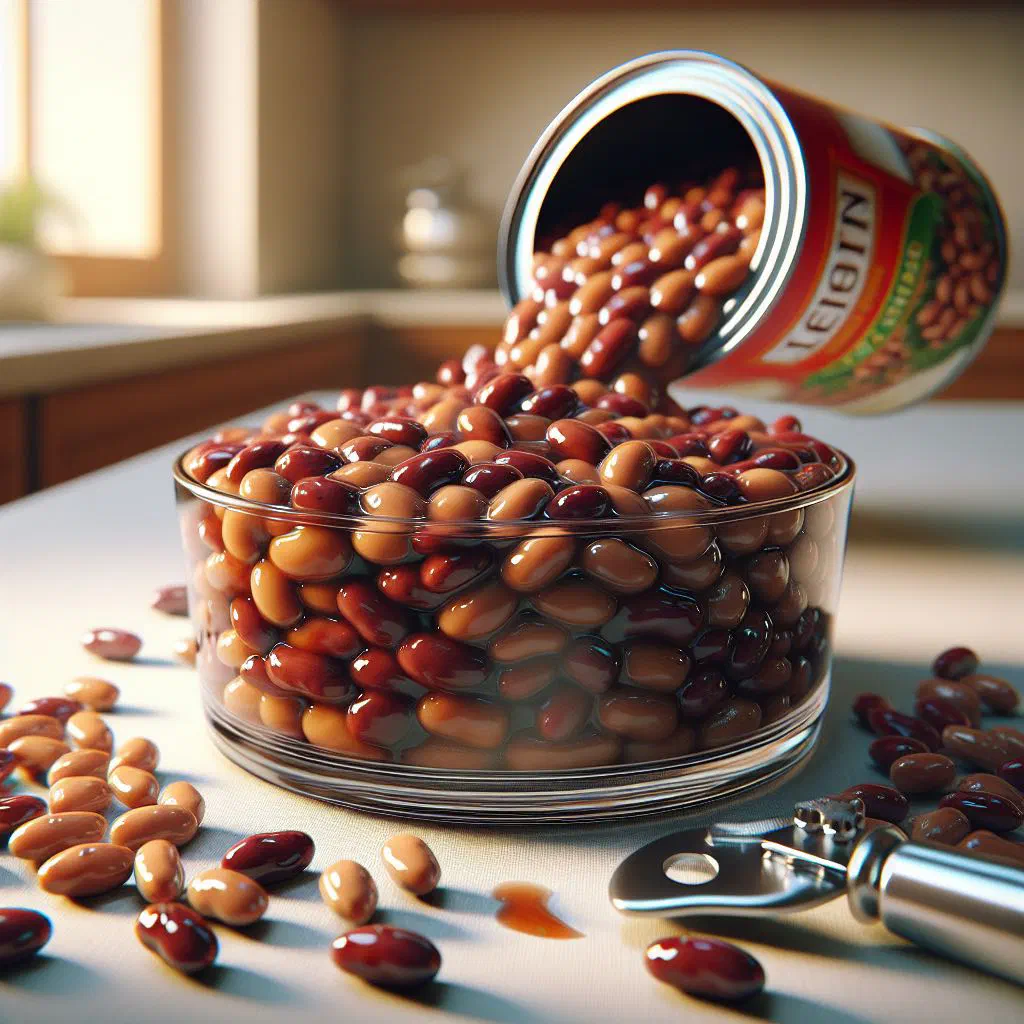
- 1 cup dried beans (kidney beans, for example)
- 1 onion, finely chopped
- 2–3 cloves of garlic, crushed
- 1 tomato, diced
- 2–3 tablespoons vegetable oil
- Spices (salt, pepper, paprika, cumin)
- Fresh herbs (parsley or coriander), to garnish
Shopping for the ingredients
It pays to choose fresh, good-quality produce for this dish. Visit a local market or an African or Asian grocery to track down the best beans and freshest spices. Several of the ingredients are also available organically grown, which is kinder to the environment and tends to improve the flavour of the finished dish too. Check that the dried beans are in good condition, with no cracked or discoloured pieces, as this makes all the difference to the texture of your paste.
Preparing the dish
Getting ready for pasted beans is straightforward. It simply asks for a little patience. Start by soaking the dried beans in water overnight so they soften properly. This shortens the cooking time considerably and gives the paste a much better consistency. Drain away the soaking water before cooking and top the pan up with fresh water. While the beans are on the go, prepare the rest of the ingredients by chopping and dicing them, so the cooking itself runs smoothly from start to finish.
Step-by-step instructions
- Cook the soaked beans in a pan of fresh water until soft, about 45 minutes.
- Heat the vegetable oil in a frying pan and sauté the onions until translucent.
- Add the garlic and tomatoes and fry everything for a further 5 minutes.
- Drain the cooked beans and add them to the pan with the onions and tomatoes.
- Season with the spices and mix everything together well.
- Blend the mixture until it reaches the creamy consistency you are after.
- Garnish with fresh herbs and serve.
Gluten-free / lactose-free version
Pasted beans are naturally gluten-free and lactose-free, since they consist of little more than beans and vegetables. That makes them ideal for anyone with intolerances or particular dietary needs. To be certain there are no hidden sources of gluten, choose spices and oils that are clearly labelled gluten-free. Prepared this way, the aromatic paste can be enjoyed without a second thought.
Tips for vegans and vegetarians
Pasted beans are an excellent choice for vegans and vegetarians, as they contain no animal products and are rich in plant protein. Fresh vegetables and fragrant spices make sure the dish is as satisfying on the palate as it is nutritious. Adding extra vegetables such as spinach or carrots boosts the nutritional value and opens up interesting new flavour combinations, much like the vegetable-forward Doodo. Experiment with different spices to suit your own taste.
More tips and tricks
A few small tricks will get you the perfect pasted beans. Cooking the beans in a slow cooker produces an even creamier consistency. A squeeze of lemon juice at the end of cooking brightens the flavours and freshens the whole dish. Store any leftovers in an airtight container in the fridge so you can enjoy the full flavour the following day. Just make sure the paste is thoroughly reheated before serving.
Adapting the recipe to your taste
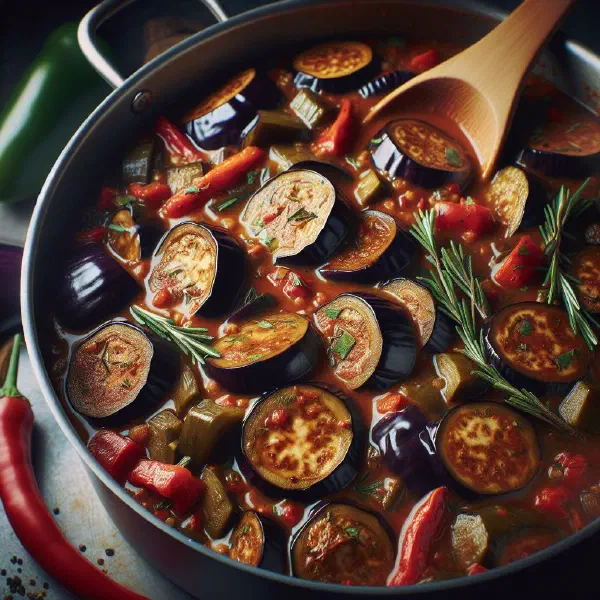
Tailoring pasted beans to your personal preference could hardly be easier. Add diced vegetables such as peppers or aubergine for extra texture and flavour, or reach for chillies or cayenne pepper if you want a hotter version. The consistency is entirely up to you, blend it longer for a smoother paste, or leave it chunkier for more bite. That flexibility lets you shape the dish exactly to your liking.
Ingredient substitutions
If you do not have every ingredient to hand, there are plenty of alternatives to fall back on. Black beans or chickpeas can stand in for kidney beans and take the flavour in a different direction. Shallots make a milder substitute for onions. And if fresh herbs are unavailable, dried herbs or an Italian seasoning mix add an interesting note of their own. The same easy-going approach works for related dishes such as Firinda, another Ugandan bean classic.
Drink pairing ideas
Several drinks round off a plate of pasted beans nicely. A fresh, sparkling lemonade or a traditional Ugandan drink such as malwa works wonderfully. A fruity smoothie is another good match for the mellow flavours of the bean paste. If you prefer something with a bit more backbone, a light, pale beer makes a fine choice. Pairings like these turn the meal into a properly memorable occasion.
Serving and presentation ideas
Thoughtful presentation adds a great deal to the pleasure of this dish. Serve the paste in an attractive bowl and garnish it with fresh herbs and a drizzle of oil for a glossy finish. Setting it alongside colourful vegetables creates a lovely contrast on the plate. It is also well worth serving the bean paste with fresh bread or a starchy staple such as Posho or warm Chapati to complete the picture.
A bit of history
Pasted beans have a long tradition in Ugandan cooking and reflect the country’s home food culture. Beans are a staple across Uganda and have been valued as an essential source of protein for generations. The dish grew out of the need for simple, nourishing and tasty meals that could be made from whatever was available locally. Combining beans with a handful of well-chosen spices produces something that both fills you up and puts the charm of Ugandan cuisine squarely on the plate.
More recipe ideas
Summary: Pasted Beans
In short, pasted beans are not simply a tasty dish. They offer a genuine window into Ugandan food culture. Built from simple, nourishing ingredients and endlessly adaptable, this recipe makes an impression on just about everyone who tries it. The flavours of pasted beans carry a little of East Africa to your table with every mouthful. Give it a go and bring a piece of Uganda into your own kitchen.