National Dish Uganda: Pumpkin Stew (Recipe)
In this article
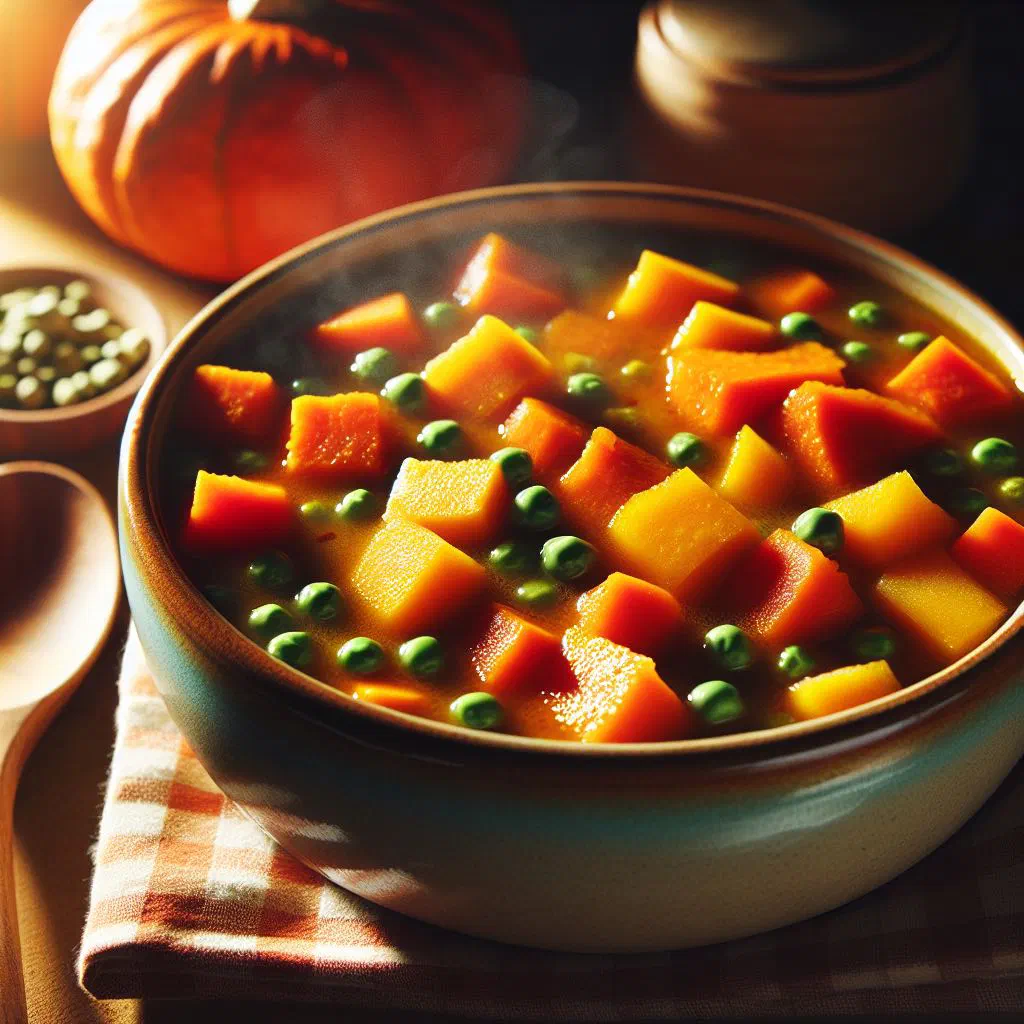
Discover Pumpkin Stew, a warming Ugandan classic built on tender squash, hearty beans and a gentle wave of spice. Sweet chunks of pumpkin soften into a fragrant, golden sauce enriched with peanut butter, while carrots and peppers keep every spoonful colourful and fresh. It is nourishing, generous food, the kind of pot that draws family and friends around the table and keeps them there.
About Pumpkin Stew
Pumpkin Stew is a traditional Ugandan dish celebrated for its rich flavour and its wholesome, health-giving ingredients. The combination of tender pumpkin, fresh vegetables and a generous handful of aromatic spices creates a taste that is hard to match. It is nutritious and a lovely example of how mindful eating can bring people together. Served as a main course or as an accompanying side, its flavours will win over family and friends alike.
Ingredients (serves 1–2)
- 500 g pumpkin
- 200 g kidney beans, cooked
- 1 onion
- 2 cloves of garlic
- 1 carrot
- 1 pepper (red or yellow)
- 1 tablespoon peanut butter
- 1 teaspoon curry powder
- 1 teaspoon ground cumin
- Salt and pepper to taste
- 1 tablespoon vegetable oil
- Fresh parsley or coriander, to garnish
Shopping for the ingredients
To make this stew you will want fresh ingredients, most of which are easy to find in any supermarket or at a local market. The pumpkin is the heart of the recipe, so choose one that feels firm and heavy for its size. Pick healthy, ripe vegetables to get the best possible flavour from the pot. If you cannot track down spices such as curry powder or cumin on the usual shelves, an African or Asian grocery or a dedicated spice shop will almost certainly have them.
Preparing the dish
Preparing pumpkin stew is straightforward and takes very little time. Begin by peeling the pumpkin and cutting it into small, even chunks. Prepare the other ingredients too, onion, garlic, carrot and pepper, so the cooking runs smoothly from start to finish. Once everything has been washed and chopped, you can begin cooking and let the aromas develop at their own pace.
Step-by-step instructions
- Heat the vegetable oil in a large pan over a medium heat.
- Add the diced onion and chopped garlic and fry until soft and fragrant.
- Add the pumpkin chunks along with the sliced carrot and pepper.
- Scatter over the curry powder and cumin and stir well to coat the vegetables.
- Pour in enough water to cover the vegetables and bring to a gentle simmer.
- After about 15 minutes, stir in the cooked kidney beans and the peanut butter.
- Cook for a further 10 minutes, until the pumpkin is tender.
- Season with salt and pepper and garnish with fresh herbs to taste.
Gluten-free / lactose-free version
Pumpkin stew is very easy to keep gluten-free and lactose-free. Simply check that your spices and store-cupboard ingredients are certified gluten-free if you need to avoid it. For a lactose-free version, use vegetable oil rather than butter for frying. You stay in full control of what goes into the pot.
Tips for vegans and vegetarians
Vegans and vegetarians can slot pumpkin stew straight into their diet, since it is naturally plant-based. To deepen the flavour, add extra vegetables or pulses and boost the nutritional value at the same time. The peanut butter lends a creamy body and supplies healthy fats, much as it does in a classic Groundnut Stew. Experiment with different plant milks to give the dish yet another dimension.
More tips and tricks
Timing makes a real difference when cooking this stew. Take care not to overcook the vegetables, so they keep a little bite and the colours stay bright. Another good trick is to finish the pot with fresh herbs or a squeeze of lemon to lift the flavour. Let your creativity run and find the blend that suits you best.
Adapting the recipe to your taste
One of the great things about pumpkin stew is how flexible it is. Adjust the ingredients as you like, depending on what you have in the house or what appeals on the day. Prefer it hotter? Add fresh chilli or a dash of hot sauce. For extra crunch, scatter over toasted nuts or seeds as a topping. The dish is easy to personalise and happily takes on new flavours.
Ingredient substitutions
If some ingredients prove hard to find, there are plenty of alternatives. Courgette or sweet potato makes a tasty stand-in for pumpkin, and sits just as comfortably in a Sweet Potato Curry. In place of peanut butter you could use almond or cashew butter to vary the texture. Swaps like these let you discover new flavours and tailor the recipe to your own needs.
Drink pairing ideas
Several drinks round out this stew nicely. A fresh ginger tea is warming and sits well with the spices in the pot. Alternatively, a light white wine works beautifully if you are serving the dish for a special occasion. For an alcohol-free choice, a fruity juice or sparkling water with lemon is an excellent match.
Serving and presentation ideas
Presentation counts for a lot when you want to impress your guests. Serve the stew in brightly coloured bowls or on large plates so the vegetables show off their colours. A few fresh herbs or a squeeze of lime over the top provides the finishing touch. It is also wonderful alongside a soft Chapati for mopping up the sauce.
A bit of history
Pumpkin stew has its roots in traditional Ugandan cooking, which leans heavily on local, seasonal produce. Pumpkin is a staple across much of Africa and has been prepared in countless forms for centuries. The pairing of pulses and vegetables is delicious and a valuable source of protein and nutrients. The dish reflects both the culinary wealth of Ugandan cuisine and the deep bond between its people and their land.
More recipe ideas
Summary: Pumpkin Stew
Pumpkin stew is far more than a meal; it is an experience that brings people together around a single pot. With its simple method and its wholesome, flavourful ingredients, it suits just about any occasion. The aromas and colours are guaranteed to leave an impression. Dive into African cooking and enjoy a taste of Uganda in your own kitchen.