National Dish Ukraine: Kutia (Recipe)
In this article
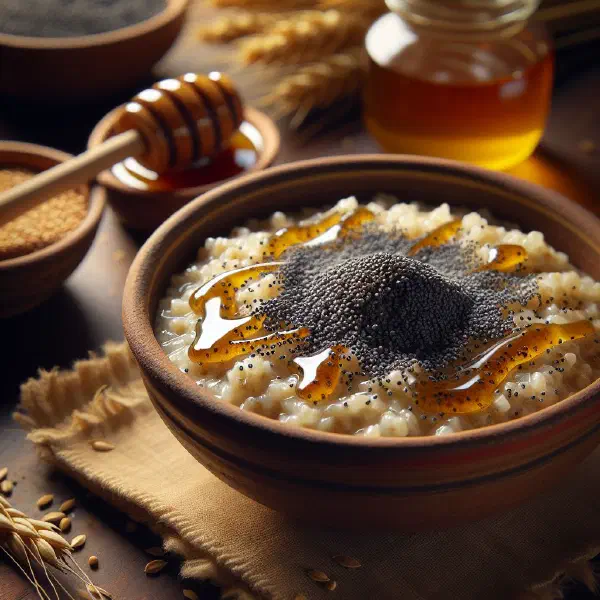
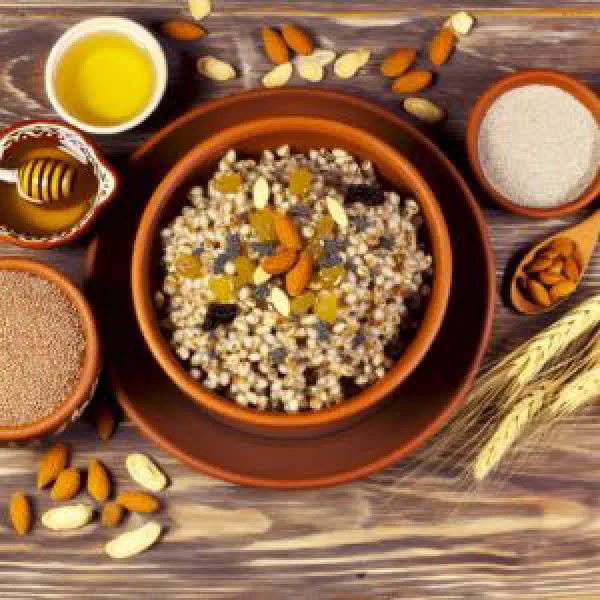
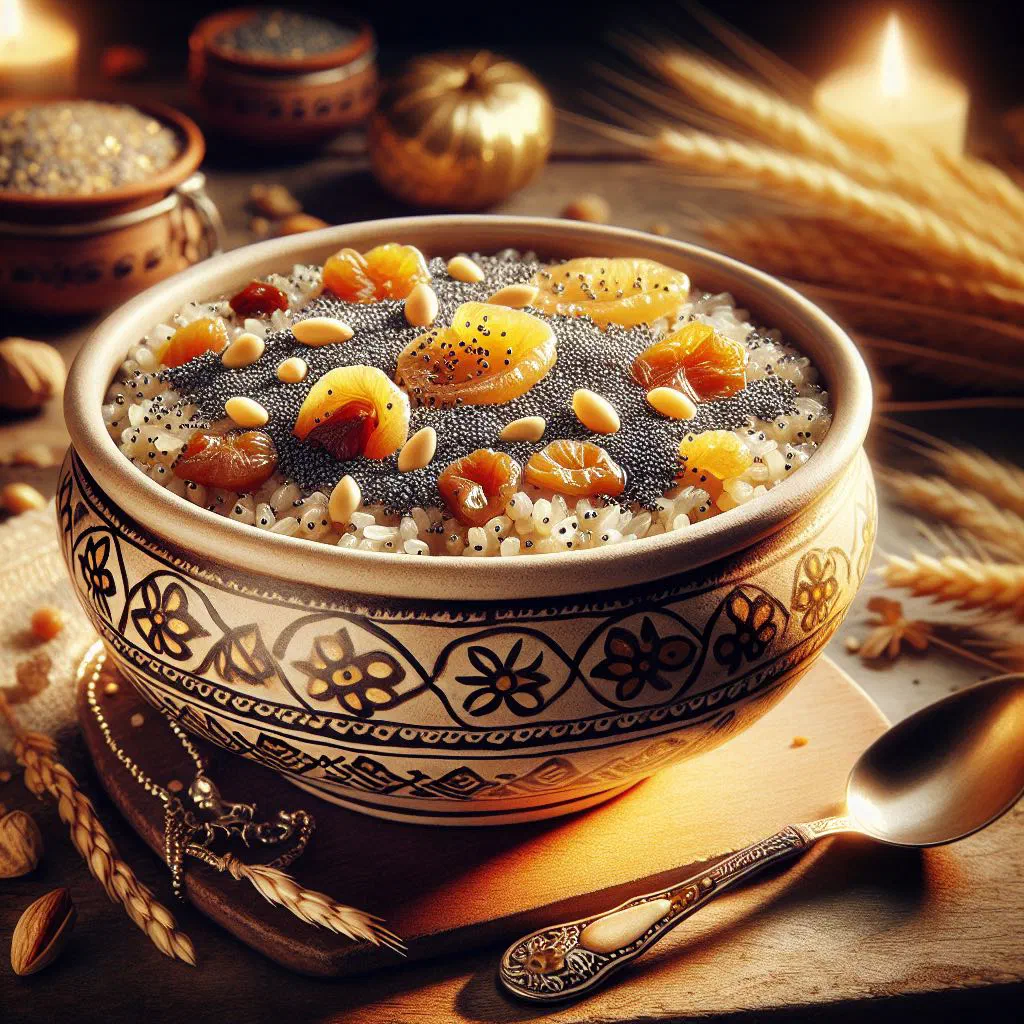
Meet Kutia, a dish that carries the very soul of Ukrainian culture in every spoonful. Traditionally prepared for festive occasions such as Christmas Eve, it is a symbol of prosperity and good fortune. Cooked wheat mingles with honey, nuts and dried fruit to create something quietly magical, sweet, wholesome and steeped in centuries of tradition. Bring a taste of an Ukrainian holiday table straight into your own kitchen.
About Kutia
Kutia is a fascinating dish that reflects the heart of Ukrainian heritage. Originally made for festive gatherings, most famously the Christmas celebration, it represents prosperity and good luck. Its ingredients, cooked wheat, honey, nuts and dried fruit, come together in a wonderfully distinctive flavour. Kutia offers a remarkable combination that has been passed down through many generations.
Ingredients (serves 1–2)
- 150 g cooked wheat berries
- 3 tablespoons honey
- 50 g chopped nuts (such as walnuts or almonds)
- 50 g dried fruit (such as raisins or dried apricots)
- 1 pinch of cinnamon
- 1 tablespoon water or milk (as needed)
Shopping for the ingredients
When shopping for kutia, it is important to choose fresh, good-quality ingredients. The cooked wheat in particular should be of a fine grade to guarantee the right texture and flavour. Honey, the dish’s central element, should be as pure and unadulterated as possible to deliver an authentic taste. Pick nuts and dried fruit without added ingredients too, so the dish stays as natural and wholesome as it can be.
Preparing the dish
Preparing kutia is simple and a lovely tradition that often brings the family together. First, all the ingredients need to be carefully readied so everything is on hand. The wheat should be cooked, while the nuts are chopped and the dried fruit cut into small pieces. These preparations are key to bringing out the flavour and beauty of the finished dish.
Step-by-step instructions
- Tip the cooked wheat into a large bowl.
- Add the honey and mix well until the wheat is evenly coated.
- Fold in the chopped nuts and dried fruit.
- Season with a pinch of cinnamon and add water or milk as needed to reach the consistency you like.
- Serve the dish warm or cold and garnish to taste.
Gluten-free / lactose-free version
Kutia is easy to prepare gluten-free and lactose-free. In place of ordinary wheat you can use a specially milled gluten-free grain or quinoa. When it comes to the liquid, plant-based alternatives such as almond milk or oat milk work perfectly instead of dairy. This way the dish stays enjoyable for anyone with allergies or intolerances.
Tips for vegans and vegetarians
For vegans, the recipe adapts easily by using agave syrup or maple syrup in place of honey. These plant-based sweeteners offer a similar taste and sweetness. The remaining ingredients in kutia are naturally vegan, which makes it an excellent choice for a plant-based diet. With no real fuss, kutia becomes a tasty, nourishing option for everyone, much like a good bowl of Kasha.
More tips and tricks
Kutia can be enriched with all sorts of variations. Adding fresh berries or a little chocolate, for example, lends a modern touch. You can also improve the texture by stirring in chia seeds or ground flaxseed, which bring extra nutrients along the way. Experiment with the ingredients and find your own personal favourite version of this traditional dish.
Adapting the recipe to your taste
Kutia lets you vary the ingredients to suit your personal preferences. Instead of nuts, for instance, you might use seeds such as hemp seeds or sunflower seeds to discover different flavours and textures. The choice of dried fruit can also change with the season and your mood. In this way kutia can be reinvented time and again without losing sight of its tradition.
Ingredient substitutions
If certain ingredients are not available, there are easy alternatives. In place of cooked wheat, rice can serve as the base, the same comforting grain that anchors many dishes of Ukrainian cuisine. Among the dried fruit, figs or dates work well and bring their own sweet note to the dish. This keeps kutia versatile and adaptable, ready to be made whatever you happen to have to hand.
Drink pairing ideas
The right drink can round off a bowl of kutia beautifully. A fruity lemonade or a herbal tea complements the aromas of this traditional dish wonderfully. For those who prefer something a little more savoury, a fresh kefir also pairs nicely with kutia. Ideally the drink you choose should support the flavours of the ingredients while making for a harmonious meal, a spiced Uzvar is a fitting festive match.
Serving and presentation ideas
Presentation is a key part of serving kutia, especially at festive gatherings. Serve the dish in an attractive bowl and garnish it with fresh berries or a mint leaf for a touch of freshness. For decoration you might also scatter over some cracked nuts or a dusting of icing sugar. A colourful presentation heightens the anticipation and makes the dish even more inviting.
A bit of history
Kutia has a long history that reaches back to antiquity. Originally it was prepared as a ritual dish, served during important religious ceremonies. The significance of kutia has carried through the centuries, often symbolising family togetherness and tradition. The custom of enjoying kutia on special occasions speaks to the cultural meaning and the values rooted deep within Ukrainian society, alongside classics such as Borschtsch.
More recipe ideas
Summary: Kutia
In short, Kutia is not merely a simple dish but a meaningful symbol of Ukrainian culture. With its unique blend of delicious ingredients and deep traditions, it offers an unmistakable culinary experience. Whether at the holidays or as a wholesome dish for everyday life, kutia has something to offer everyone. Discover the joy of preparing and savouring this good dish, one that honours the past while remaining cherished in the present.