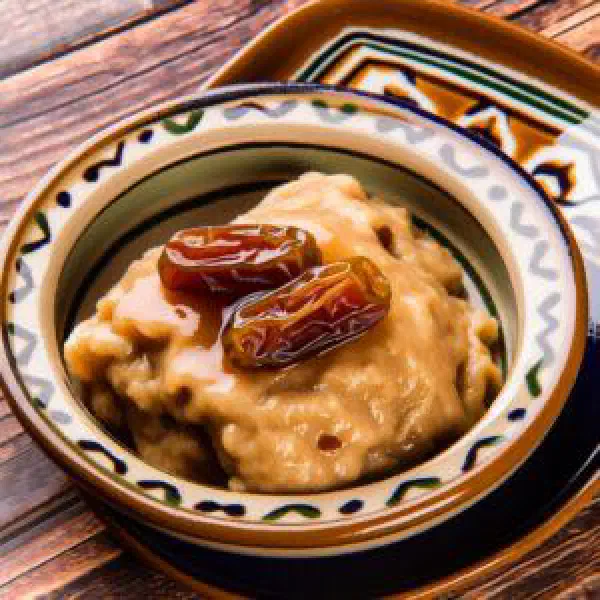
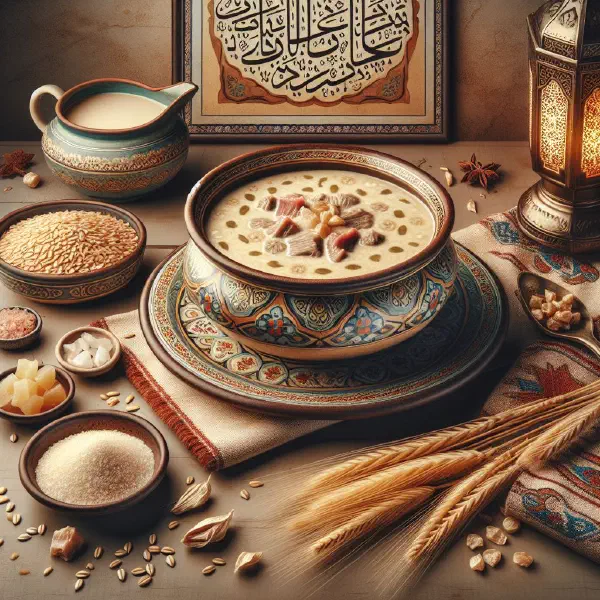
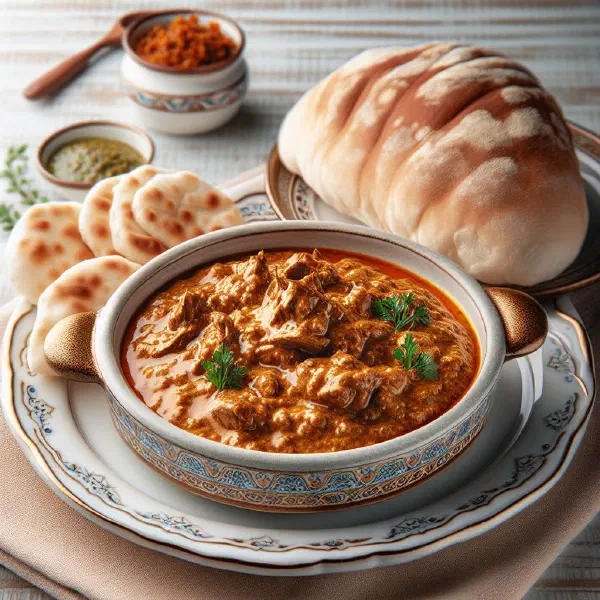
National Dish United Arab Emirates: Asida (Recipe)
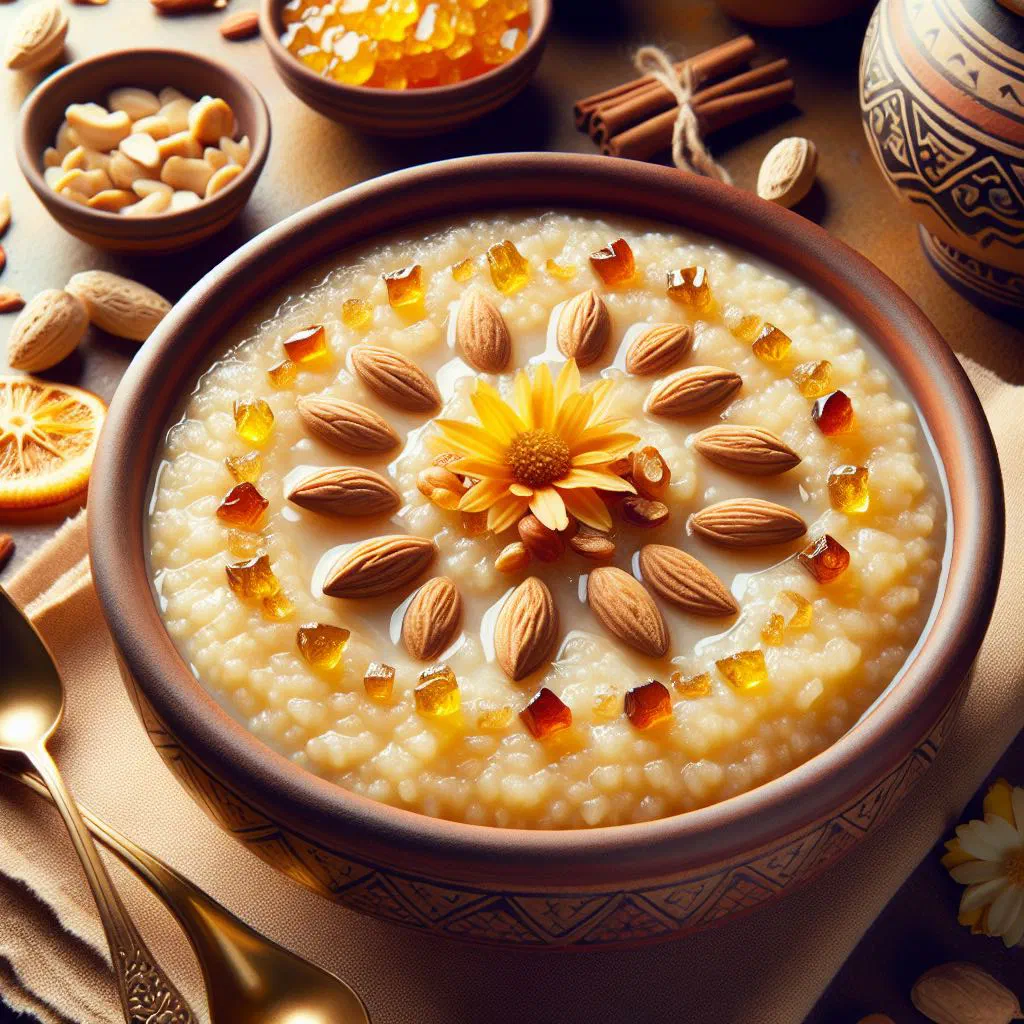
In this article
Meet Asida, a comforting classic from the United Arab Emirates that turns a handful of humble pantry staples into something truly special. Made from little more than wheat flour, water and butter, this soft, elastic dough is a fixture in Emirati homes, where it stands for warmth, generosity and the pleasure of sharing a meal. Served either sweet or savoury, it is wonderfully adaptable, bring a taste of Gulf hospitality straight to your own table.
About Asida
Asida is a traditional dish from the United Arab Emirates that captures the culinary richness and cultural roots of the region. This hearty preparation appears in countless Emirati households and brings with it the enjoyment of good food and a genuine sense of community and hospitality. Making it is refreshingly simple, calling mainly for water, wheat flour and butter. It is often served with a variety of accompaniments, which makes it a flexible dish that adapts easily to different tastes.
Ingredients (serves 1–2)
- 200 g wheat flour
- 1 cup water
- 50 g butter
- A pinch of salt
- Optional: sweet or savoury accompaniments (e.g. honey or meat dishes)
Shopping for the ingredients
When shopping for Asida, the ingredients you need are easy to find in most supermarkets. Take care to choose good-quality wheat flour and pure butter, as they have a decisive influence on the flavour of the dish. If you plan to serve special accompaniments, check the freshness of the ingredients, especially any meat or fruit. Bear in mind, too, that regional markets may offer more authentic ingredients that enrich the finished dish.
Preparing the dish
Preparing Asida is straightforward and can be done in just a few steps. First, gather all your ingredients and set up a clean work surface. This is important for keeping the process efficient. You should also make sure you have enough room to knead the dough, as this is an essential skill in making asida.
Step-by-step instructions
- Bring the water to the boil in a large pan and add a pinch of salt.
- Slowly sprinkle the wheat flour into the boiling water, stirring vigorously to avoid lumps.
- Cook the mixture until it becomes thick and elastic.
- Add the butter and knead the dough thoroughly until it is smooth.
- Shape the dough into a ball and let it cool slightly.
- Serve the asida with your favourite accompaniments.
Gluten-free / lactose-free version
For anyone with a gluten or lactose intolerance, there are easy alternatives to the traditional Asida. Gluten-free flours, such as rice flour or almond flour, can be used to achieve a similar texture. Instead of butter, a plant-based fat or an oil works well to avoid lactose. These adjustments preserve the spirit of the dish and keep it enjoyable for those with particular dietary needs.
Tips for vegans and vegetarians
Vegans can make Asida with no trouble at all by swapping the butter for a plant-based alternative. A blend of coconut oil or olive oil gives the dough an interesting flavour note. Vegetarians have even more options when it comes to the accompaniments, and might fold in vegetables or pulses to enrich the dish. Fresh herbs and spices also add extra flavour and a welcome splash of colour.
More tips and tricks
One important tip when making Asida is not to overcook the dough, as this can spoil its consistency. Be sure to knead the dough regularly to reach the desired elasticity. Experiment with different accompaniments to create new taste experiences. Using spices such as cinnamon or cardamom can also open the door to interesting variations.
Adapting the recipe to your taste
Adapting Asida to your own preferences is simple. You can adjust the ingredients to suit your taste, using less butter, for example, or adding extra spices. The accompaniments should also be chosen to match your mood; whether sweet or savoury, there are no limits to your creativity. The flexible nature of the dish makes it an ideal companion for all kinds of occasions, much like a warming bowl of Thareed.
Ingredient substitutions
If you do not have the basic ingredients to hand, you can use the following alternatives to make Asida: in place of wheat flour, spelt flour works well and lends the dish a nuttier note. Instead of water, you can use vegetable stock to give the dough extra flavour. Small variations like these can make the final result more interesting while still preserving the traditional character of the dish.
Drink pairing ideas
A range of drinks pairs beautifully with Asida. A traditional Arabic Coffee or a cup of tea is often served alongside and offers a pleasant balance to the dish’s savoury and sweet notes. For a more refreshing option, mint lemonade or yoghurt drinks also work well. These beverages are delicious and round out the culinary experience that asida embodies.
Serving and presentation ideas
Presentation can noticeably improve the whole experience of eating Asida. Serve the dish on attractive, colourful plates or platters to highlight the texture and colour of the dough. Top the asida appealingly with a range of accompaniments and use fresh herbs for decoration. A beautifully arranged dish draws the eye and builds anticipation for the meal to come.
A bit of history
The history of Asida stretches back centuries and forms a link to the traditions and eating habits of the Bedouin. Originally prepared as a nourishing meal for the family, it also symbolises the hospitality of Emirati culture. Over time, asida has developed into a number of variations, taking in regional ingredients and flavours along the way. This culinary tradition helps keep the cultural heritage of the United Arab Emirates cuisine alive.
More recipe ideas
Summary: Asida
Asida is more than just a dish; it represents the culture, tradition and hospitality of the United Arab Emirates. With its simple ingredients and easy variations, it is a preparation that can be adapted with little effort and suits a great many occasions. Asida remains a timeless classic that captures the flavours of the region. Let the variety and the possibilities of this delicious dish inspire you to give it a try.