National Dish United Arab Emirates: Kabsa Lahem (Recipe)
In this article
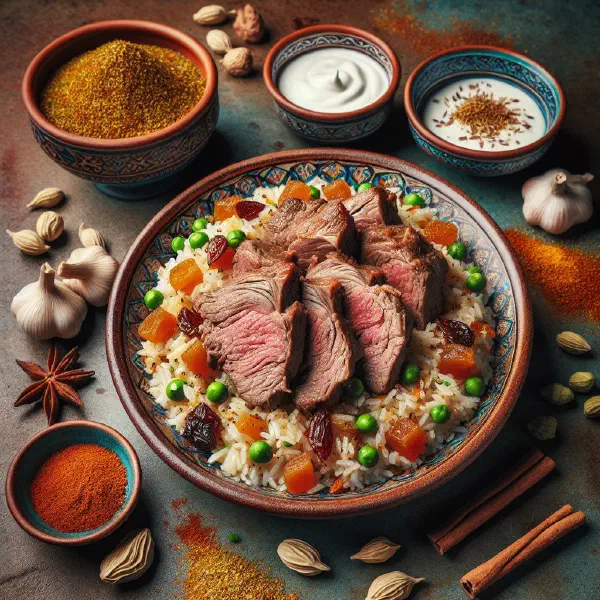
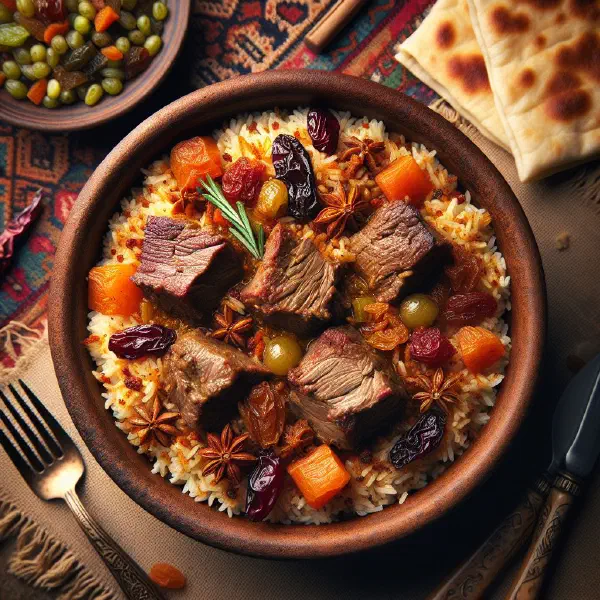
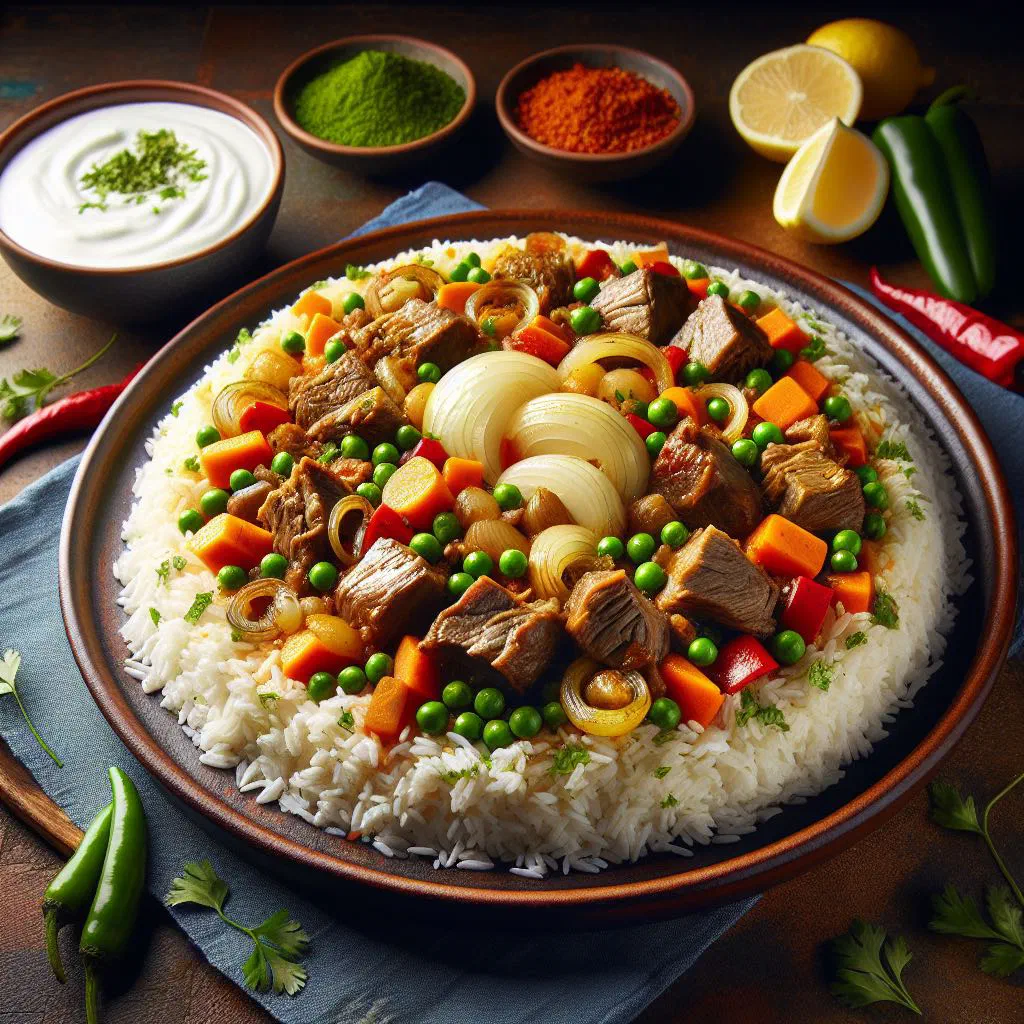
Meet Kabsa Lahem, the fragrant national dish of the United Arab Emirates and so much more than a simple rice supper. Tender lamb is slow-cooked with a warming medley of spices and fluffy basmati until every grain drinks up the aroma. Often crowned with colourful vegetables, toasted nuts and sweet raisins, it is a feast for the eyes as much as the palate, a dish woven into Emirati hospitality and reserved for festive gatherings and cherished get-togethers.
About Kabsa Lahem
Kabsa Lahem is a beloved rice dish from the United Arab Emirates, prized for the way it brings together tender lamb and a generous blend of aromatic spices. At its heart sits fragrant basmati rice, cooked in a rich, spiced broth until each grain is soft and full of flavour. The dish carries deep cultural meaning across the Emirates, where it is often served at festive occasions and special gatherings. Finished with bright vegetables and a scattering of nuts, it turns any meal into a celebration.
Ingredients (serves 1–2)
- 200 g lamb, diced
- 150 g basmati rice
- 1 onion, diced
- 2 garlic cloves, chopped
- 2 tomatoes, diced
- 1 teaspoon cumin
- 1 teaspoon cardamom
- 1 teaspoon cinnamon
- 3 cups chicken or vegetable stock
- 2 tablespoons vegetable oil
- Salt and pepper, to taste
- Optional: raisins or almonds, to garnish
Shopping for the ingredients
To make Kabsa Lahem, it is worth gathering all your ingredients before you begin. Many of them, such as basmati rice and the warm spices, are easy to find in most supermarkets or in a specialist Middle Eastern grocery. Do take care to choose fresh lamb, as the quality of the meat has a real influence on the flavour of the finished dish. The spice mix can be varied to suit your palate too, so feel free to experiment and give your kabsa a personal touch.
Preparing the dish
Preparing Kabsa Lahem is refreshingly straightforward, though a few simple steps make all the difference. It helps to marinate the lamb in a bowl with your chosen spices first, allowing the flavours to deepen and develop. The rice should be rinsed and briefly soaked so it cooks to a perfect, fluffy texture. Prepare the vegetables as well, cutting them into small, even pieces so they cook uniformly and the aromas mingle beautifully throughout the pot.
Step-by-step instructions
- Heat the vegetable oil in a large pan and brown the lamb on all sides until golden.
- Add the onion and garlic and cook until soft and fragrant.
- Stir in the diced tomatoes and the spices (cumin, cardamom, cinnamon) and cook for a few minutes.
- Pour in the stock and bring the mixture to the boil.
- Add the soaked rice, reduce the heat and let everything simmer gently for about 20 minutes, until the rice is cooked and the liquid absorbed.
- Fluff the rice carefully and let the dish rest for a few minutes before serving.
Gluten-free / lactose-free version
Kabsa Lahem is naturally gluten-free and lactose-free as long as you keep an eye on a few key ingredients. Make sure the spices you use contain no hidden additives, and check that the chicken or vegetable stock is certified gluten-free. With these small precautions in place, this delicious dish can be enjoyed by anyone with an intolerance while still delivering its full depth of flavour.
Tips for vegans and vegetarians
For a vegan or vegetarian take on Kabsa Lahem, simply swap the lamb for vegetables or tofu. Hearty additions such as aubergine, courgette or chickpeas work wonderfully and soak up the spices just as readily as the meat would. Keep an eye on the cooking times, as vegetables tend to soften faster than lamb. Replacing the broth with a well-flavoured vegetable stock helps keep the dish rich and satisfying, much like a good Falafel plate.
More tips and tricks
To achieve the perfect rice texture in Kabsa Lahem, the ratio of liquid to rice is everything. A reliable rule of thumb is to use roughly three times as much liquid as rice. A steamer will give you an even fluffier result. Scattering raisins or almonds over the top as a garnish adds a sweet, crunchy note that harmonises beautifully with the savoury, spiced rice beneath.
Adapting the recipe to your taste
The wonderful thing about Kabsa Lahem is its versatility. You can adjust the spices to your own liking, more chilli for a fierier version, or a pinch of turmeric for a golden hue. The choice of vegetables can vary too, depending on the season and your preferences. The more creative you are with your adjustments, the closer you get to a version of this classic that suits your taste exactly.
Ingredient substitutions
If you do not have every ingredient for Kabsa Lahem to hand, there are plenty of alternatives to consider. In place of basmati rice you could use jasmine rice, which brings its own gentle fragrance. For the spices, a ready-made kabsa spice blend, widely available in Middle Eastern grocers, makes a handy shortcut. As for the broth, homemade stock or even plain water will do, though the flavour will be a little less intense. The same spice cupboard flavours also shine in a warming plate of Chicken Machboos.
Drink pairing ideas
A range of drinks pairs beautifully with Kabsa Lahem, balancing its rich, spiced flavours. A refreshing mint tea is a firm favourite that complements the spices wonderfully. A classic yoghurt drink also soothes the palate and offsets any heat. For something lighter, a lightly sparkling mineral water with a squeeze of lemon adds a bright, refreshing finish. A cup of Gahwa rounds off the meal in true Emirati style.
Serving and presentation ideas
Presentation can lift the whole Kabsa Lahem experience. Serve the dish on a large platter and garnish it generously with fresh herbs such as coriander or parsley. It is also a lovely idea to scatter sweet touches, raisins or toasted almonds, over the rice. The finished arrangement is a treat for the eyes and builds anticipation for the delicious meal to come.
A bit of history
Kabsa Lahem has its roots in Arabian cuisine and is woven deeply into the history of the Emirates. The dish reflects the culture of the Bedouin people, celebrated for their hospitality, and is frequently served at feasts and gatherings. Kabsa is more than a meal; it is a symbol of community and togetherness. Across many Arab countries each region has its own version of kabsa, giving rise to countless ways to vary and adapt the recipe, a proud thread in Emirati cuisine that sits alongside dishes such as Chicken Mandi.
More recipe ideas
Summary: Kabsa Lahem
In short, Kabsa Lahem is a delicious and endlessly adaptable dish that captures the rich culture of the United Arab Emirates. The harmonious blend of lamb, warming spices and fluffy rice makes it an essential culinary experience. This dish invites you to savour the flavours of the Middle East. Give it a try and let the proud traditions of Arabian cooking win you over.