National Dish United Arab Emirates: Waraq Enab (Recipe)
In this article
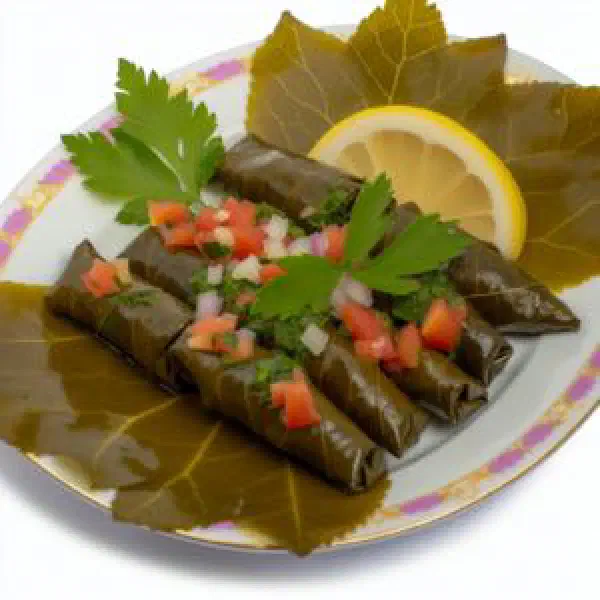
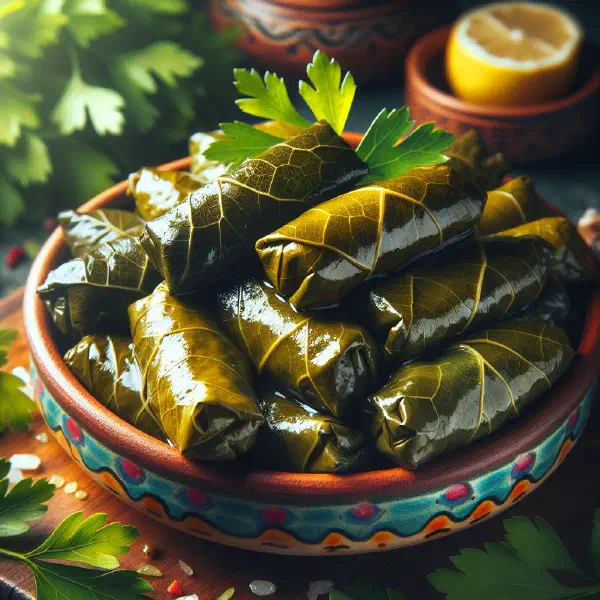
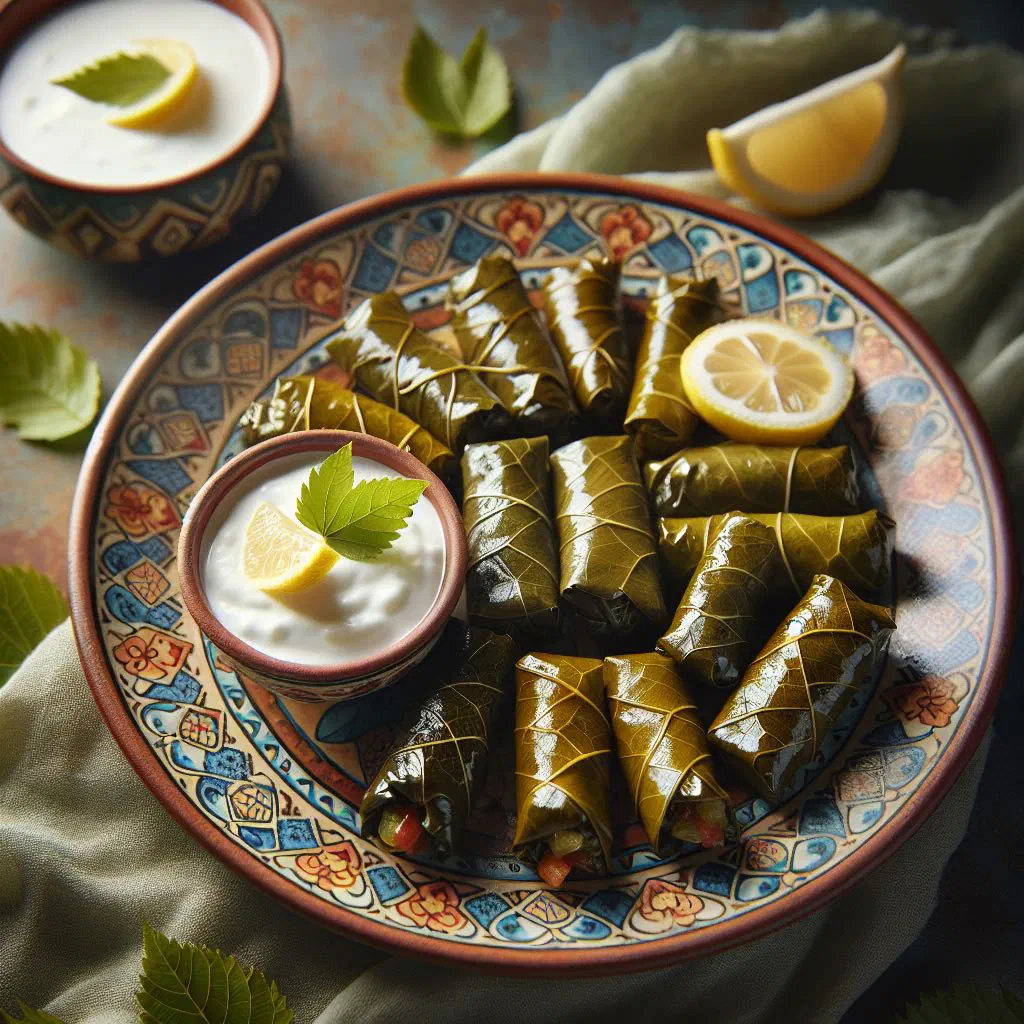
Meet Waraq Enab, a much-loved classic of Emirati and wider Arabic cooking. These delicate stuffed vine leaves wrap a fragrant filling of rice, onion and herbs in tender, glossy parcels that are as pretty to look at as they are moreish to eat. Served as a starter, a mezze plate or a side, they carry a genuine taste of Arabian hospitality to the table. Rolling them takes a little patience, but the reward is a dish steeped in tradition and full of flavour.
About Waraq Enab
Waraq Enab is a traditional national dish of the United Arab Emirates and one that is held in great affection. These stuffed vine leaves are delicious and a cornerstone of Arabic gastronomy. They are often served as a starter or a side, bringing a slice of Arabic culture to the table with every bite. Preparing them is a small work of art, calling for a steady hand and real attention to detail.
Ingredients (serves 1–2)
- 200 g vine leaves (fresh or preserved)
- 100 g rice (long-grain, uncooked)
- 1 onion, finely chopped
- 1–2 tablespoons olive oil
- 1 teaspoon paprika
- 1 teaspoon cumin
- A handful of fresh parsley, chopped
- A pinch of salt and pepper
- 300 ml vegetable stock or water
- Lemon slices, to garnish
Shopping for the ingredients
When shopping for the ingredients for Waraq Enab, it is important to look for good-quality vine leaves. Fresh leaves are often available in specialist Arabic or international grocery shops. Alternatively, you can use preserved leaves, which are stocked in many supermarkets. Take care to choose high-quality rice and spices too, so the filling delivers its full flavour.
Preparing the dish
Preparing Waraq Enab takes a little time and patience. First, depending on their source, the vine leaves need to be washed carefully and, if necessary, briefly blanched to soften them. Next comes combining the rice mixture with the herbs and spices so the aromas mingle well. A tasty filling is the key to a successful dish.
Step-by-step instructions
- Sweat the onion in olive oil until translucent, then add the rice.
- Stir in the cumin, paprika, salt, pepper and parsley.
- Spread the vine leaves out on a clean surface and spoon the rice mixture on top.
- Fold the sides of the leaves over the filling and roll them up.
- Place the rolls in a pan and cover with vegetable stock or water.
- Simmer over medium heat for 30 minutes.
- Garnish with lemon slices and serve.
Gluten-free / lactose-free version
Waraq Enab is naturally gluten-free and lactose-free, since the traditional recipe contains no such ingredients. Using rice rather than wheat means that even those with a gluten intolerance can enjoy this delicious dish. Do make sure, though, that any stocks and spices you use are also gluten-free, to avoid cross-contamination. These qualities make it an excellent choice for anyone with allergies.
Tips for vegans and vegetarians
Waraq Enab is an ideal option for vegans and vegetarians, as it can be made entirely without animal products while still being wonderfully nourishing. The plant-based filling of rice, herbs and spices delivers a full, savoury flavour. To make the dish even more substantial, you can fold in extra vegetables such as peppers and courgette, the same generous approach that shines in a plate of Kousa Mahshi. This boosts the nutrition and adds a colourful variety.
More tips and tricks
To make Waraq Enab especially tasty, try experimenting with different spice combinations. It is well worth playing with fresh herbs such as mint or dill to lend the dish extra aroma. Another useful tip is to weigh the rolls down with a plate as they cook, so they hold their shape and do not unravel. Serve the dish warm or at room temperature to get the very best from the flavours.
Adapting the recipe to your taste
Waraq Enab is easy to tailor to personal preference. You might modify the filling to suit yourself by using different grains such as quinoa or bulgur. Adding nuts or dried fruit can create interesting flavour combinations too. Experiment with a range of herbs and spices to make the dish your own and match it exactly to your taste.
Ingredient substitutions
If you cannot find fresh vine leaves, pickled leaves or the leaves of other plants such as cabbage make a tasty alternative. Adjustments can also be made to the spices. The cumin, for example, can be swapped for coriander, which gives the dish a different note. Discover new combinations and find out what you like best.
Drink pairing ideas
Waraq Enab pairs beautifully with refreshing drinks. Mint tea is a popular choice and complements the herby notes of the dish perfectly. An Arabic coffee such as Gahwa could also be an excellent companion, especially when the dish is served as part of a generous spread. For an alcohol-free option, fruity lemonades are a lively and flavoursome choice.
Serving and presentation ideas
The presentation of Waraq Enab can be kept simple yet striking. Use attractive dishes or serving platters and garnish the rolls with fresh herbs or lemon slices. Colourful vegetables served alongside please the eye and lift the whole eating experience. An appealing presentation heightens the enjoyment of the dish and makes it feel all the more festive.
A bit of history
Waraq Enab has a long tradition in Arabic cooking and is found across many countries of the Middle East. It is often served at celebrations and festive meals, which makes it a symbol of hospitality and community. Preparing and sharing Waraq Enab brings people together and encourages the exchange of stories and traditions, a spirit at the heart of Emirati cuisine. Many families have their own recipes and methods, frequently passed down from generation to generation.
More recipe ideas
Summary: Waraq Enab
Waraq Enab is a flavoursome and nourishing dish that honours Arabic cooking and suits all manner of occasions. With simple ingredients and a little creative preparation, this recipe leads to a memorable treat. It leaves plenty of room for variation too, so everyone can shape it to their own liking. Let the aromas tempt you and enjoy discovering Waraq Enab in your own kitchen.