National Dish United Arab Emirates: Zaatar Bread (Recipe)
In this article
Discover Zaatar Bread, an aromatic flatbread cherished across the United Arab Emirates and the wider Arab world. Fragrant with thyme, oregano and toasted sesame, this simple bake fills the kitchen with the warm, herby scent of the region’s markets. Enjoyed fresh from the oven with vegetables, yoghurt or simply on its own, it is the kind of unfussy treat that turns everyday eating into something memorable.
About Zaatar Bread
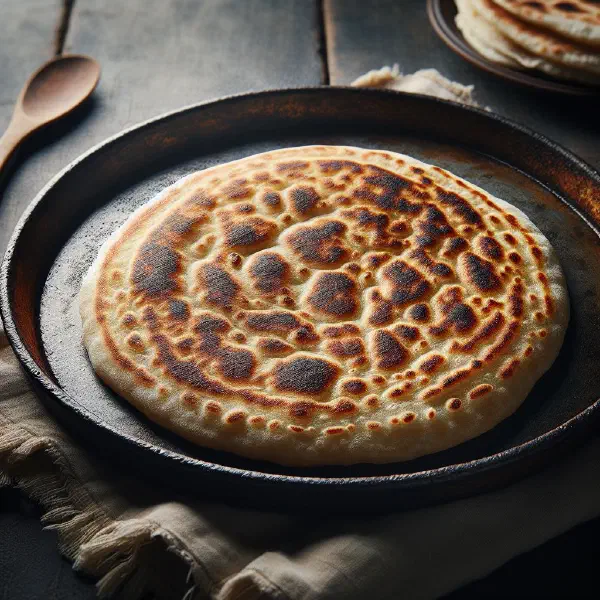
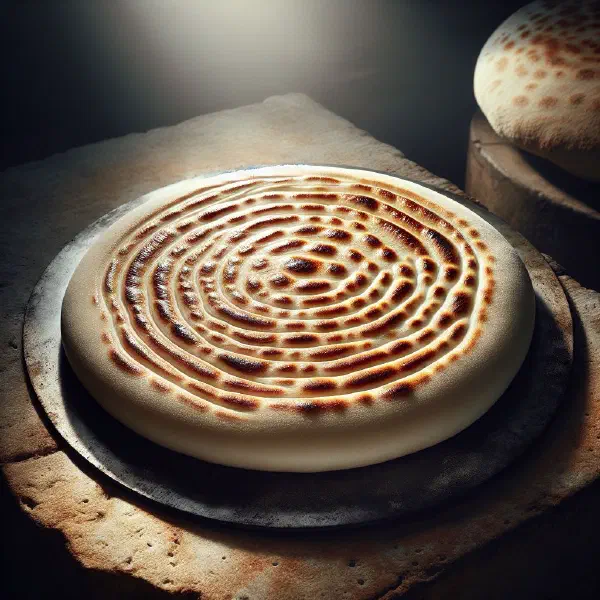
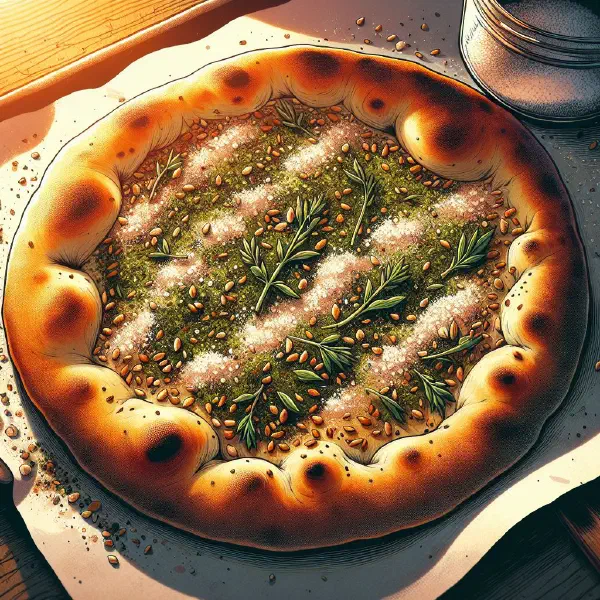
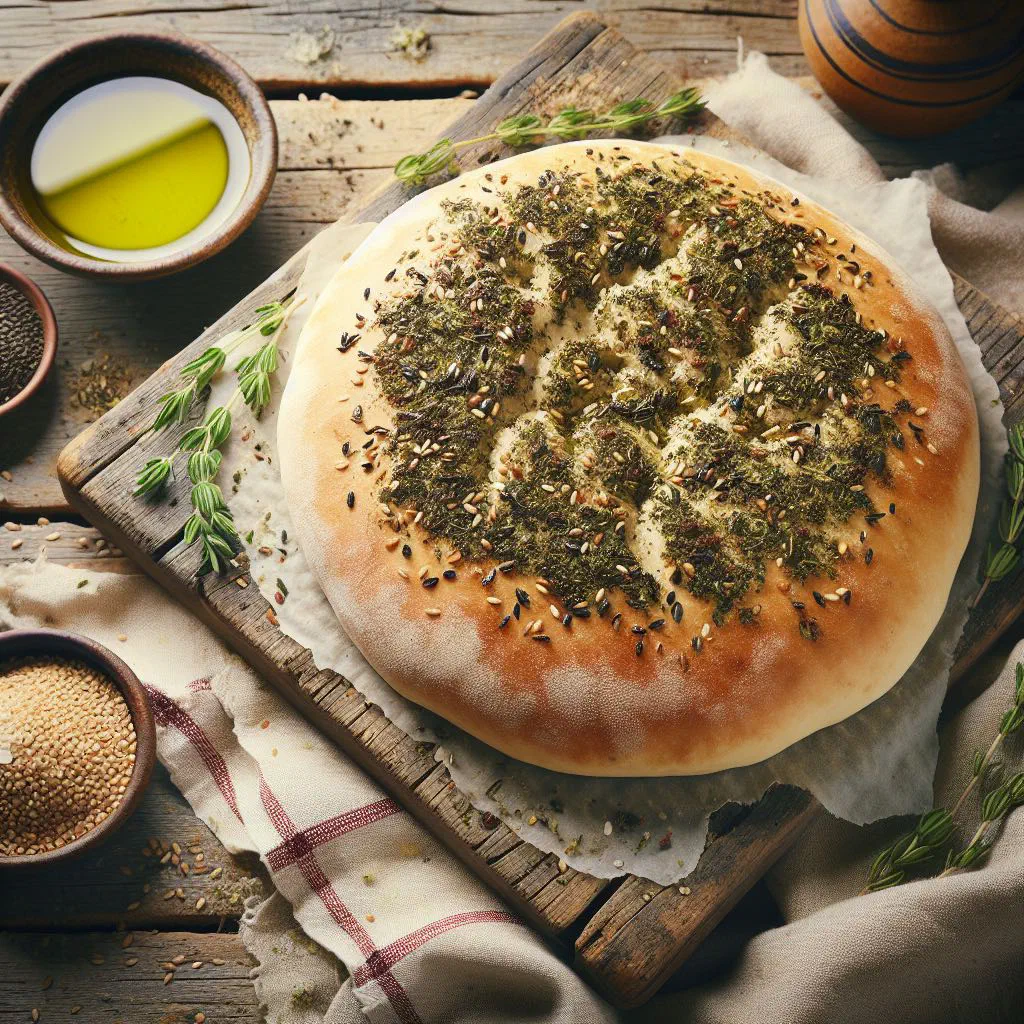
Zaatar Bread is a traditional flatbread beloved in the United Arab Emirates and across many Arab countries. It is a genuine pleasure to eat and a lovely reflection of the region’s rich cultural heritage. The signature flavour comes from a blend of herbs such as thyme, oregano and sesame, which give the bread its unmistakable character. Many families enjoy it freshly baked, often alongside vegetables, yoghurt, or simply as a snack to see them through the day.
Ingredients (serves 1–2)
- 250 g flour
- 1 tsp dried yeast
- 1 tsp sugar
- 1 tsp salt
- 3 tbsp olive oil
- 150 ml warm water
- 2–3 tbsp zaatar spice blend
Shopping for the ingredients
The ingredients for zaatar bread are available in most supermarkets and well-stocked grocery shops. When buying fresh herbs, look for those with a bright colour and a fresh, lively scent. It is also worth choosing a good-quality olive oil, as this can noticeably improve the flavour of the finished bread. The zaatar spice blend is easy to make yourself, too, if you happen to have the individual components to hand.
Preparing the dish
Before you start making the zaatar bread, it helps to lay out all your ingredients first. Measure the flour and yeast, and get the warm water ready. This little bit of groundwork smooths out the baking process and ensures you have the right quantities at hand for a perfect result. It is important to activate the yeast in the warm water before combining it with the other ingredients.
Step-by-step instructions
- In a bowl, combine the flour, yeast, sugar and salt.
- Add the warm water and olive oil, then knead the dough thoroughly.
- Cover the bowl with a cloth and leave the dough to rest in a warm place for about 45 minutes, until it has risen.
- Once risen, roll the dough out on a floured work surface and shape it into round flatbreads.
- Sprinkle the flatbreads with the zaatar blend and bake at 200°C for about 15 minutes.
Gluten-free / lactose-free version
For a gluten-free version of zaatar bread, use gluten-free flour, which is widely available in supermarkets. This flour alternative offers similar baking properties and flavour, so those with a gluten intolerance can also enjoy this delicious bread. As for lactose, the recipe is already lactose-free, since no dairy is used. Just double-check that your zaatar blend has been made without any milk-based ingredients.
Tips for vegans and vegetarians
Zaatar bread is naturally vegan and vegetarian, as it contains no animal products at all. If you would like to enrich the texture of the bread a little, you can use plant-based milk in place of water for an even fluffier crumb. Pair your zaatar bread with Hummus or pickles for an even more rounded, full-bodied experience. This dish makes a wonderful light meal or snack and is beautifully simple to prepare.
More tips and tricks
An important tip when making zaatar bread is to knead the dough well to achieve a light, airy texture. Give the dough plenty of time to rise, as this is crucial to the final consistency. If you like your bread crisper, extend the baking time a little or raise the temperature. Take care to roll the flatbreads out to an even thickness so they bake uniformly.
Adapting the recipe to your taste
The wonderful thing about zaatar bread is how easily it adapts to personal preference. You might, for example, add extra spices or herbs to vary the flavour. A touch of chilli or garlic can lend the bread a special edge. Experiment with different types of flour or fillings to make the recipe truly your own, much as you would with a stuffed Zaatar Manaqish.
Ingredient substitutions
If you do not have a zaatar spice blend to hand, you can use a mixture of thyme, rosemary and sesame to achieve a similar flavour. For the olive oil, you can fall back on rapeseed or sunflower oil. These alternatives will not significantly change the taste of the bread, yet they still deliver a delicious result. Do make sure, however, that these oils are also of good quality.
Drink pairing ideas
A variety of drinks pair well with zaatar bread and round off the eating experience. A refreshing mint tea or a young wine harmonises wonderfully with the bread’s wealth of aromas. Yoghurt drinks, such as a chilled Laban With Mint, or digestive teas also make excellent companions. Experiment with different drink combinations to find the pairing you enjoy most.
Serving and presentation ideas
The way you present your zaatar bread can play an important part in the enjoyment. Serve the bread on a marbled plate or in a woven basket to underline its rustic charm. Alongside, you can offer fresh herbs and olive oil to complete the dish. Serving it thoughtfully not only shows care and attention to detail but can also impress your guests.
A bit of history
Zaatar bread has its origins in the Middle East, where it has been part of the regional table for centuries. The zaatar spice blend that gives the bread its unmistakable flavour is rich in cultural and symbolic meaning and is often handed down through family recipes. This pairing of flour and spices is a staple food and a catalyst for social connection, frequently served at family gatherings and celebrations. The sheer variety of zaatar recipes speaks to the culinary creativity and love of tradition that runs through Emirati cuisine.
More recipe ideas
Summary: Zaatar Bread
Zaatar bread is a delicious and versatile speciality from the United Arab Emirates that can be made with simple ingredients. It offers not only an incredible flavour but is also deeply rooted in the culture of the region. Give our recipe a try and experience the aromatic variety of this traditional bread. Enjoy it as a snack, a side or a main, the possibilities are endless.