National Dish Uruguay: Alfajores (Recipe)
In this article
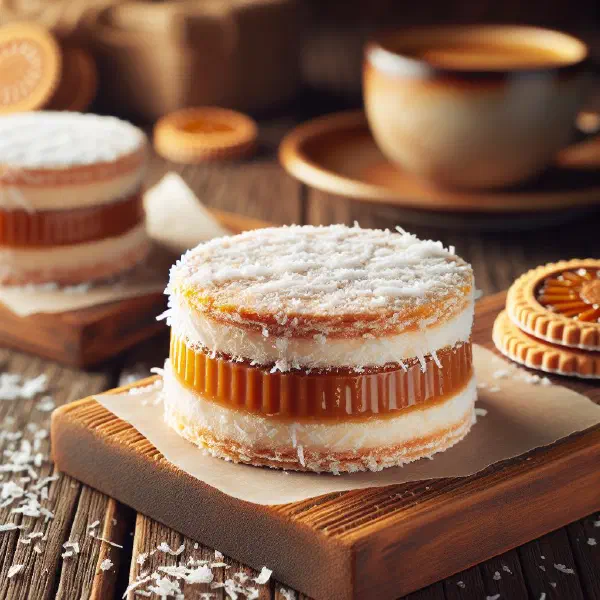
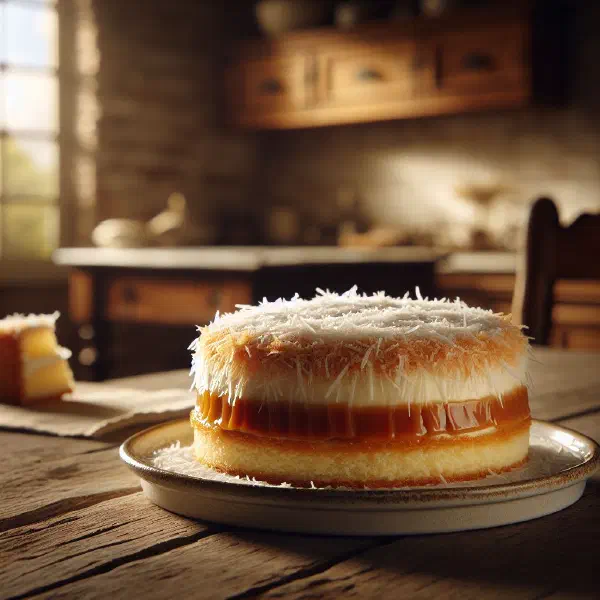
Few sweets capture the spirit of Uruguay quite like alfajores, delicate twin biscuits sandwiched together with a generous layer of velvety dulce de leche and finished in a flurry of desiccated coconut or icing sugar. Tender, melt-in-the-mouth and impossibly moreish, they are the perfect companion to a strong coffee or a quiet afternoon snack. With roots stretching back to Moorish kitchens, these little treats have become a beloved national icon, and they are surprisingly straightforward to recreate in your own home.
About Alfajores
Alfajores are a classic Uruguayan treat that enjoys huge popularity not only in Uruguay but across much of Latin America too. They typically consist of two tender biscuits joined with a sweet filling, most often dulce de leche, before being rolled in desiccated coconut or dusted with icing sugar. The recipe has its origins in Moorish cuisine and has evolved over the centuries to reflect the distinctive flavours of Uruguay. The sheer range of combinations and variations makes alfajores very good for anyone with a sweet tooth.
Ingredients (serves 1–2)
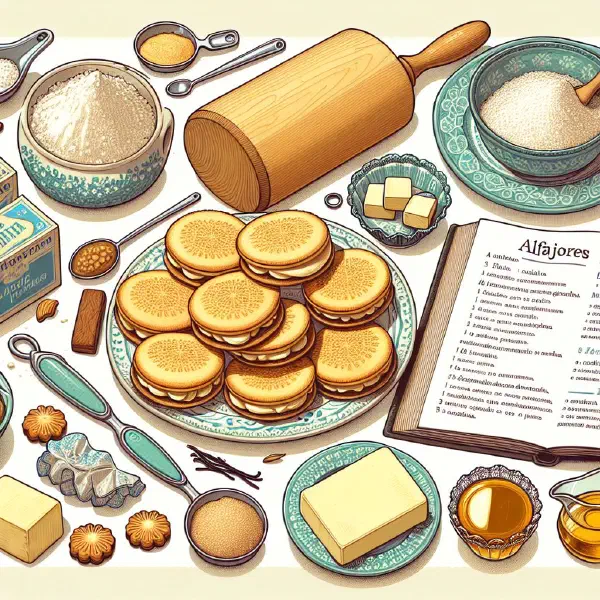
- 100 g plain flour
- 50 g cornflour
- 75 g butter, softened
- 50 g icing sugar
- 1 egg yolk
- 1 tsp vanilla extract
- 1 tsp baking powder
- 150 g dulce de leche
- 50 g desiccated coconut (optional)
Shopping for the ingredients
The ingredients for alfajores are available in most supermarkets and local grocery shops. Be sure to choose a good-quality dulce de leche, as it has a huge influence on the final flavour of the biscuits. If you would prefer gluten-free or vegan versions, you can find special alternatives for the flour and the butter. There are also plenty of online suppliers where you can conveniently order everything you need.
Preparing the dish
Before you begin making the alfajores, it is worth gathering all your ingredients and organising your work surface. Weighing everything out and sorting it into separate bowls makes the whole process much easier. Using room-temperature butter ensures it blends smoothly when mixed. Remember, too, to line your baking trays with greaseproof paper so the biscuits do not stick.
Step-by-step instructions
- Preheat the oven to 180°C.
- In a large bowl, cream together the softened butter and the icing sugar until light and fluffy.
- Add the egg yolk and the vanilla extract and mix well.
- In a separate bowl, combine the dry ingredients (flour, cornflour and baking powder), then gradually add them to the butter and sugar mixture.
- Knead the dough thoroughly until smooth, then leave it to rest in the fridge for about 30 minutes.
- Roll the dough out on a floured surface and cut out round biscuits with a cutter.
- Place the biscuits on the baking tray and bake for 10–12 minutes, until lightly golden.
- Allow the biscuits to cool, then fill them with dulce de leche.
- Roll the edges of the filled biscuits in desiccated coconut or icing sugar.
Gluten-free / lactose-free version
For gluten-free alfajores, you can replace the plain flour with a blend of gluten-free flours such as rice flour and oat flour. Make sure all the other ingredients are gluten-free too. If you prefer a lactose-free option, swap the butter for lactose-free butter or a vegan margarine. Dulce de leche can also be made lactose-free or vegan to suit any dietary need.
Tips for vegans and vegetarians
For vegan alfajores, you can replace the egg yolk with apple purée or a flax egg (1 tbsp ground flaxseed + 2.5 tbsp water). Instead of butter, reach for coconut oil or a plant-based margarine. Be sure to choose a plant-based dulce de leche, or make your own, to keep the version fully vegan. That way, even vegans can enjoy this traditional treat. The same plant-based swaps work beautifully in Dulce de Leche Cookies.
More tips and tricks
To make your alfajores especially crisp or wonderfully soft, simply adjust the baking time a little. Experiment with the fillings, alongside dulce de leche, try a chocolate cream or a fruit spread. A small pinch of cinnamon or a vanilla pod in the dough adds extra aroma and gives the biscuits a character all their own. You can also tweak the ratio of ingredients to perfect the texture and flavour to your own taste.
Adapting the recipe to your taste
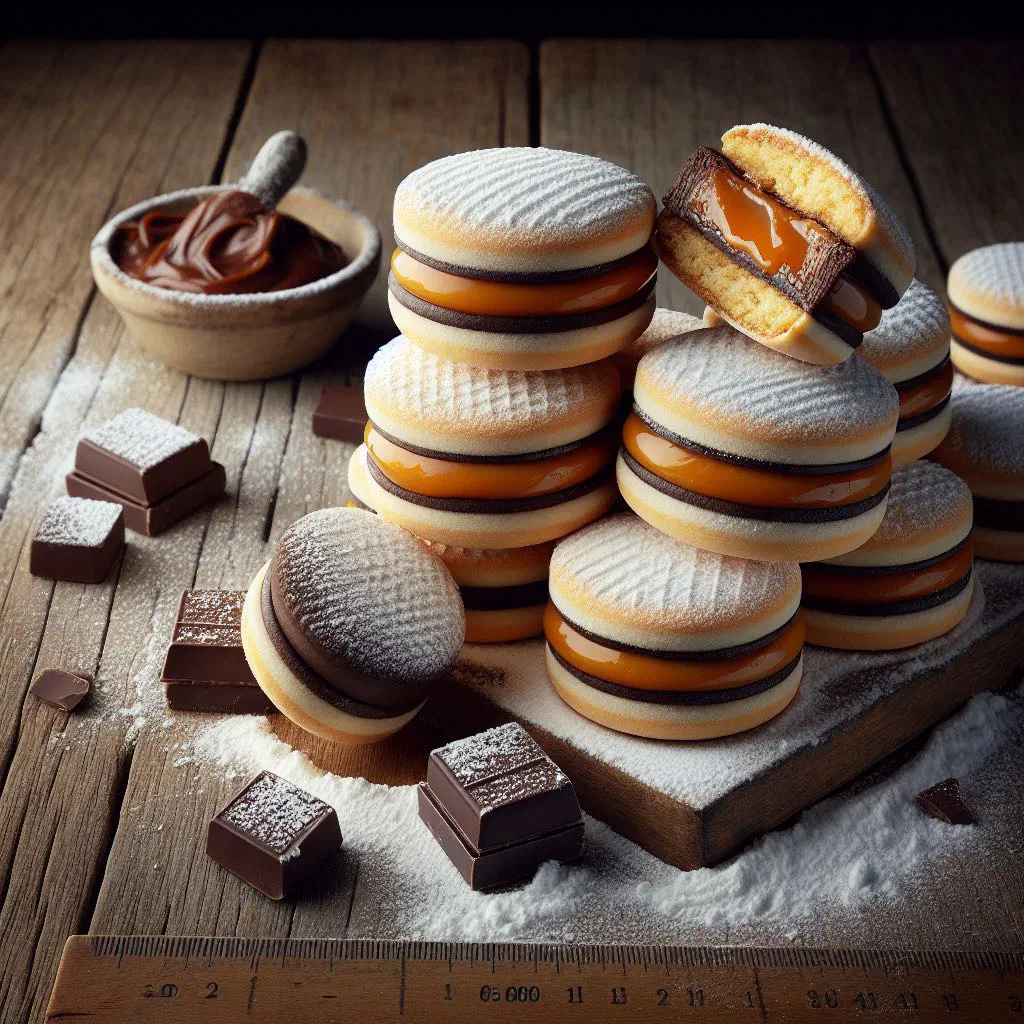
If you love a stronger caramel flavour, increase the amount of dulce de leche or try a caramel cream instead. For nut lovers, chopped nuts can be folded into the dough to add extra flavour and texture. Likewise, using different extracts, such as almond or orange, lends the dough an individual aroma. The freedom to get creative with the filling and the coating turns making alfajores into a personal adventure, much like the chocolate twist found in Alfajor De Chocolate.
Ingredient substitutions
If certain ingredients are not available, it is easy to choose alternatives. In place of butter, you can use margarine or vegetable oil when a dairy-free product is needed. Chocolate chips make a delicious addition to the dough and add a lovely cocoa note. And if you have no icing sugar to hand, you can make your own by grinding ordinary sugar finely in a blender. The classic cornflour-based take, Alfajores De Maicena, is a great variation to explore once you have mastered the basics.
Drink pairing ideas
Alfajores pair beautifully with a cup of freshly brewed coffee or a relaxing tea. A strong espresso brings out the sweet flavours of the biscuits, while a mild herbal tea strikes just the right balance. Hot chocolate can also be a delicious accompaniment to these sweet treats. For special occasions, you might even serve a few Latin-inspired cocktails to round off the flavours of Uruguay in style.
Serving and presentation ideas
The presentation of your alfajores plays a big part in the joy of serving them. Stacked on a decorative plate or packed into a pretty box, they are guaranteed to draw every eye. For a special touch, you could scatter over edible gold or silver flakes, or roll the biscuits in coloured icing sugar. Fresh fruit or edible flowers are another lovely way to elevate the presentation. They sit wonderfully on a dessert table alongside Bocaditos De Dulce De Leche.
A bit of history
The history of alfajores reaches all the way back to Moorish times, and the biscuits have evolved over many centuries. In Uruguay they are a national emblem and a firm part of traditions and celebrations. There are regional differences in how they are made, each reflecting various influences. These little appeals to have become a symbol of Uruguayan cuisine and are hugely popular in households across the country.
More recipe ideas
- Alfajor De Maicena
- Alfajores De Chocolate
- Galletas De Dulce De Leche
- Churros Con Dulce De Leche
- Tarta De Dulce De Leche
Summary: Alfajores
Alfajores are a captivating dessert and a treasured part of Uruguay’s heritage. With their lively medley of flavours and their wonderful versatility, you can adapt these delicious biscuits to suit your every whim. Whether filled in the traditional way or with creative variations of your own, alfajores are an absolute must for anyone who loves sweet snacks. Have a go at creating your own version and savour these timeless treats with a cup of coffee or as a special little indulgence.