National Dish Uruguay: Anise Bread (Recipe)
In this article
Meet Pan de Anís, Uruguay’s fragrant anise bread that graces both festive tables and everyday coffee breaks. The warm marriage of anise and fennel gives this gently sweet loaf an unmistakable flavour, while its tender crumb and seductive aroma win over the senses the moment it leaves the oven. In this article you will discover the little secrets behind baking this delicious treat at home.
About Anise Bread
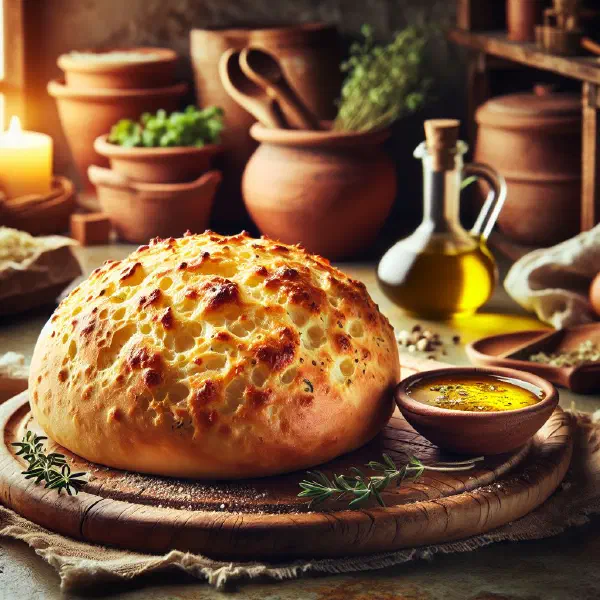
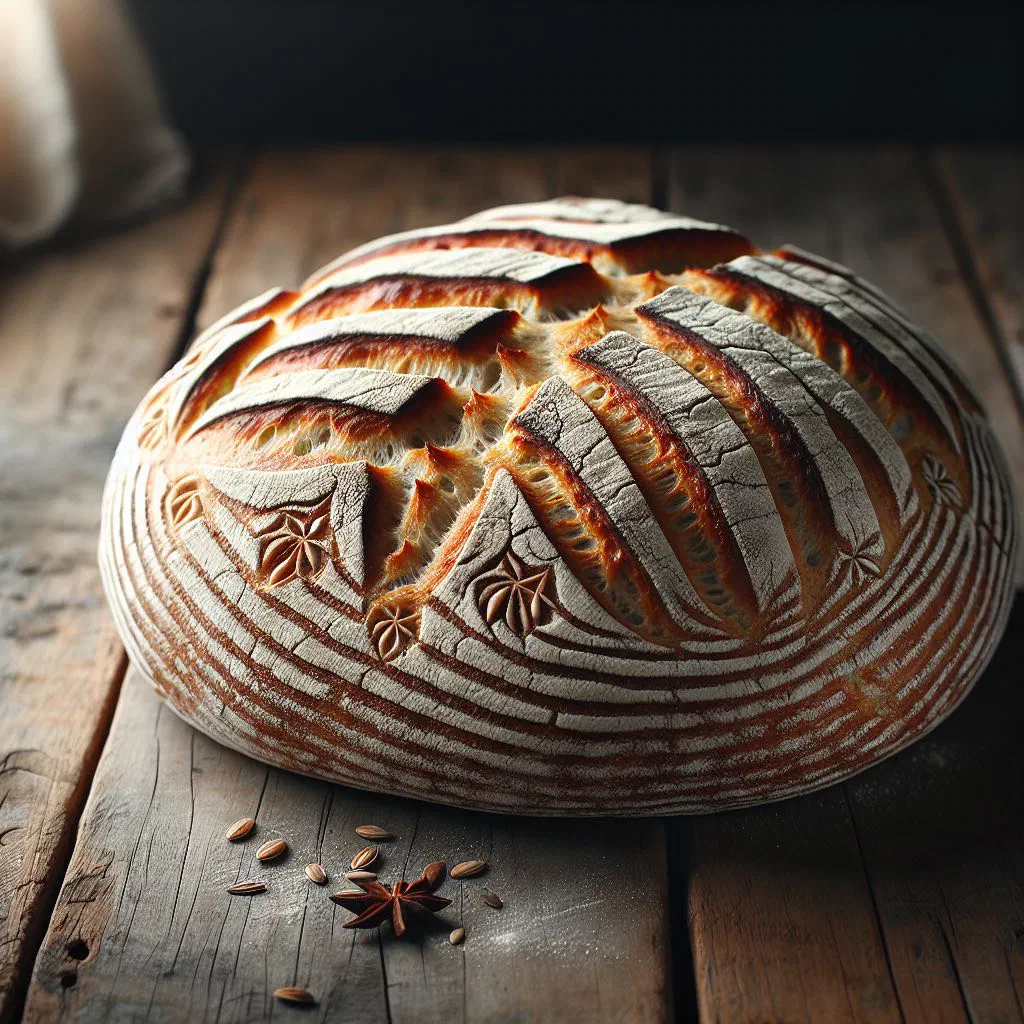
Pan de Anís is a traditional anise bread from Uruguay, served at celebrations and as an everyday indulgence alike. The use of fennel and anise lends this bake a distinctive character that is treasured in every household and at every coffee table. This lightly sweet bread offers a pleasant texture and an appealing fragrance that immediately appeals to the senses. It is a wonderful introduction to the wider world of Uruguayan cuisine, where European baking traditions meet South American flair.
Ingredients (serves 1–2)
- 250 g flour
- 50 g sugar
- 50 g butter (or margarine)
- 1 tsp anise seeds
- 1 tsp fennel seeds (optional)
- 1 sachet dried yeast
- 1 pinch of salt
- Warm water (as needed)
Shopping for the ingredients
When shopping for the ingredients for Pan de Anís, it is worth choosing good-quality products. Pay particular attention to fresh spices, as the flavour of the anise and fennel has a big influence on the finished result. High-quality flour and fresh butter are just as crucial to the texture of the bread. Visit local markets or specialist shops to track down the best ingredients.
Preparing the dish
Preparing Pan de Anís involves a few basic steps to achieve a perfect result. First, lay out all your ingredients so that nothing is forgotten while you work. A warm, draught-free spot is ideal for proving the dough and helps it reach the right consistency. It is also important to make sure the butter is at room temperature so that it blends smoothly into the dough.
Step-by-step instructions
- Combine the flour, sugar, yeast, anise, fennel and salt in a large bowl.
- Add the butter in small pieces and rub it in well until the mixture is crumbly.
- Gradually pour in warm water and knead to a smooth, supple dough.
- Cover the dough and leave it to rise in a warm place for about 1 hour, until doubled in size.
- Knead the risen dough again, then shape it as you like.
- Place the shaped loaf on a baking tray and leave to prove for a further 30 minutes.
- Bake in a preheated oven at 180°C for around 25–30 minutes, until golden brown.
Gluten-free / lactose-free version
Making Pan de Anís is easily adapted into gluten-free or lactose-free versions. Instead of wheat flour, you can use a gluten-free flour blend designed for baking. For the lactose-free option, swap the butter for a plant-based product or lactose-free margarine. These adjustments let everyone enjoy the wonderful aroma of the anise bread without any restrictions.
Tips for vegans and vegetarians
Pan de Anís turns into a vegan loaf without any fuss. Use plant-based butter or margarine in place of the traditional butter, and double-check that all the other ingredients are vegan too. Round off the recipe with a plant-based milk alternative to give the dough the moisture it needs, should that prove necessary.
More tips and tricks
To deepen the aroma of Pan de Anís, you can add extra spices such as cinnamon or nutmeg. A good tip is to grind the spices before working them into the dough. Keep an eye on the heat distribution while baking, too, to make sure the loaf cooks evenly. You might also place a bowl of water in the oven to create a humid baking environment.
Adapting the recipe to your taste
The recipe for Pan de Anís can be adjusted to suit your palate. If you would like a sweeter version, simply increase the amount of sugar. Alternatively, you can fold in chopped nuts or dried fruit to give the bread a special touch. Experiment with the ingredients and find your own personal favourite variation to please your taste buds.
Ingredient substitutions
There are plenty of alternatives to certain ingredients in Pan de Anís. If you would rather not use dried yeast, try baking powder combined with an acidic component such as yoghurt or lemon juice. The flour can likewise be replaced with almond flour or oat flour. Substitutions like these open up new flavour experiences and make the recipe versatile and adaptable, a handy approach if you also enjoy sweeter sides like Pumpkin in Syrup.
Drink pairing ideas
To accompany Pan de Anís perfectly, a number of drinks pair beautifully with it. A freshly brewed coffee or an aromatic chai tea complements the bread’s flavours deliciously. Hot chocolate or a fresh fruit punch also make excellent companions. Experiment with different drinks to enrich the whole tasting experience.
Serving and presentation ideas
The presentation of Pan de Anís can do a great deal to heighten the enjoyment. Display the bread on a decorative baking tray or beneath a pretty cloth. Fresh fruit or a small jug of honey can be added as a finishing touch. An arrangement like this makes any coffee table feel inviting and stylish, especially alongside a savoury bake such as Zucchini au Gratin.
A bit of history
Pan de Anís has its origins in Uruguayan culture, where it is often served at gatherings and celebrations. The bake draws on European baking traditions but has been adapted to local tastes over the years. The use of anise and fennel is typical of many South American recipes and reflects the region’s culinary diversity. The story of this bread is closely bound up with the identity and traditions of Uruguay.
More recipe ideas
Summary: Anise Bread
Pan de Anís is a much-loved Uruguayan bake distinguished by its unique flavour. With this simple guide, you can easily prepare this traditional bread yourself and bring it to your own coffee table. Whether for festive occasions or as a snack to enjoy between meals, Pan de Anís offers a touch of Uruguay in your very own kitchen. Let it inspire you and savour the rich array of aromas this wonderful bread has to offer.