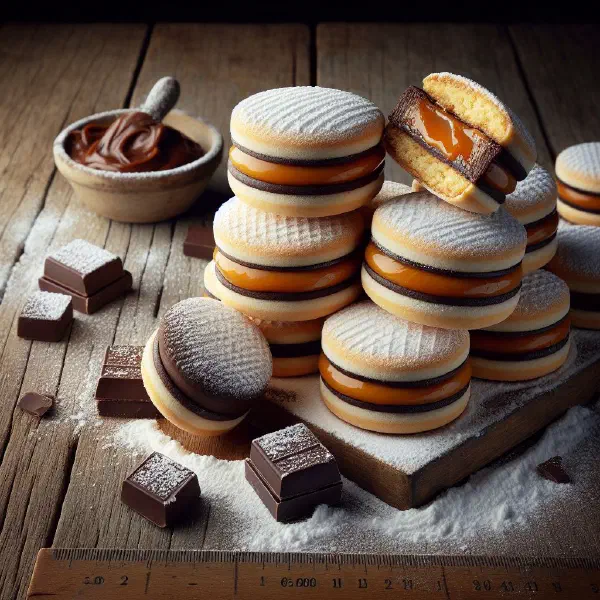
National Dish Uruguay: Bocaditos de Dulce de Leche (Recipe)
In this article
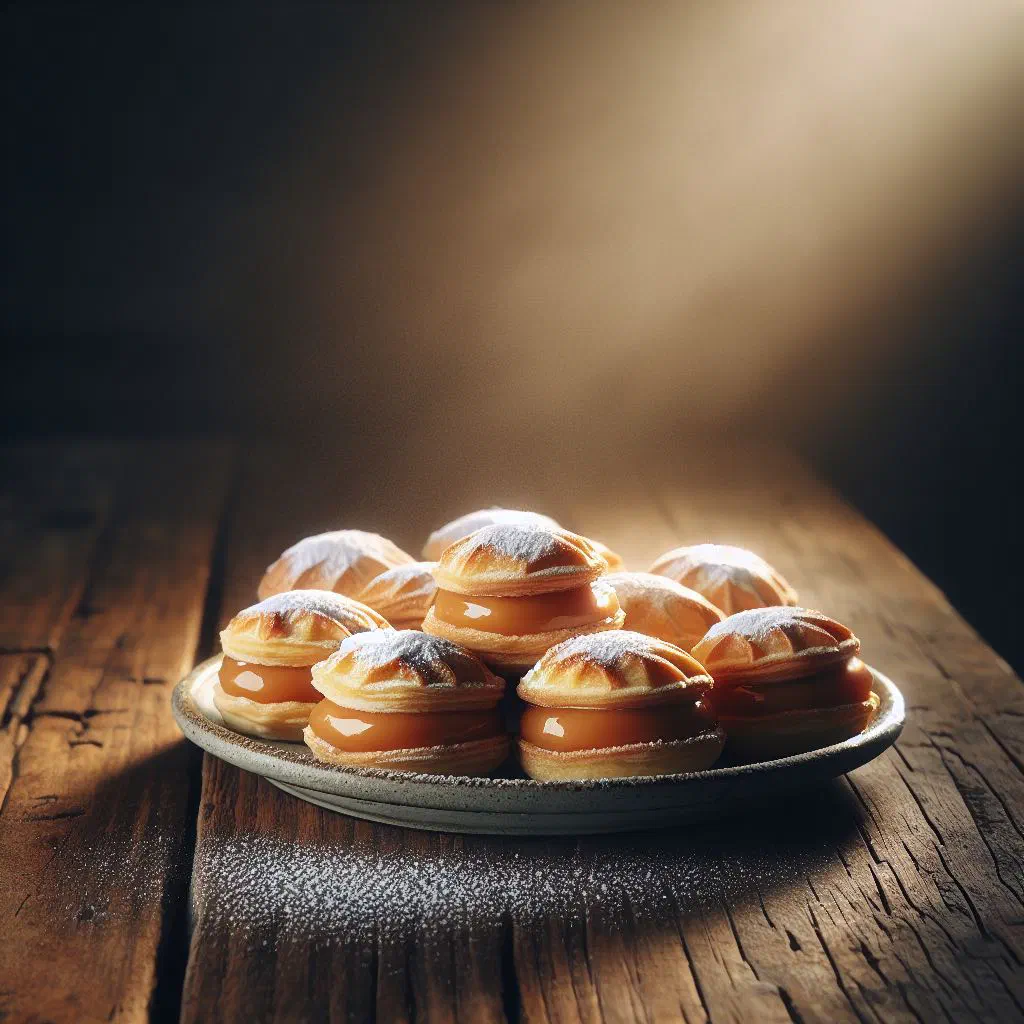
Meet Bocaditos de Dulce de Leche, a little taste of Uruguay that has quietly won fans far beyond South America. These bite-sized morsels wrap tender pastry around a heart of rich, creamy dulce de leche, the caramel-coloured spread made by slowly cooking milk and sugar together. Sweet, buttery and very moreish, they are perfect with a cup of coffee or as an afternoon treat. Bring a true feast for the senses straight to your own kitchen.
About Bocaditos de Dulce de Leche
Bocaditos de Dulce de Leche are a classic Uruguayan dessert that has steadily gained an international following in recent years. These delicate little pastries are filled with the famous, velvety dulce de leche, made from caramelised sugar and milk. The flavour is unmistakable and carries the warm aromas of South America to the plate. Ideal as a snack to enjoy between meals or alongside a coffee, they are quite simply a treat to savour. Like the much-loved Alfajores, they show just how central dulce de leche is to the country’s sweet table.
Ingredients (serves 1–2)
- 100 g plain flour
- 50 g butter
- 50 g sugar
- 1 egg
- 100 g dulce de leche
- A pinch of salt
Shopping for the ingredients
The ingredients for Bocaditos de Dulce de Leche are usually easy to find in supermarkets or specialist Latin American shops. Pay particular attention to the dulce de leche, as its quality can make all the difference to the flavour. It is well worth choosing a brand made with natural ingredients to bring out the full aromatic depth of this dessert. Fresh eggs and good-quality butter also matter for the best possible pastry.
Preparing the dish
Before you start making the Bocaditos de Dulce de Leche, gather all the ingredients you need. This keeps the preparation simple and helps everything come together smoothly. It is also important to preheat the oven to the right temperature so the little treats bake evenly. A clean, tidy work surface makes it much easier to shape and handle the pieces of pastry.
Step-by-step instructions
- Cream the butter and sugar together in a bowl until light and smooth.
- Add the egg and mix well to combine.
- Stir in the flour and salt, working everything into a smooth pastry dough.
- Divide the dough into small portions and flatten each one.
- Place a spoonful of dulce de leche in the centre of each disc.
- Fold the pieces over and seal them well to enclose the filling.
- Arrange the filled parcels on a baking tray and bake in the preheated oven for about 15–20 minutes.
- Once baked, let them cool slightly and dust with icing sugar to taste.
Gluten-free / lactose-free version
For a gluten-free version of the Bocaditos de Dulce de Leche, simply swap the wheat flour for a gluten-free flour blend. They can also be made with lactose-free butter, so anyone with a lactose intolerance can still enjoy this treat. If you are sensitive to gluten, look for products specifically labelled to avoid cross-contamination. That way everyone can share in the pleasure.
Tips for vegans and vegetarians
A vegan version of the Bocaditos de Dulce de Leche is perfectly possible too. Replace the egg with apple purée or another plant-based binder, and use vegan margarine in place of butter. The dulce de leche itself can be made from plant-based milk, such as coconut or almond drink. This way vegans can enjoy the sweet little parcels without missing out on that creamy flavour.
More tips and tricks
The Bocaditos de Dulce de Leche also keep and store well. Pop them in an airtight container to keep them fresh, and avoid leaving them in a warm spot for too long, as the pastry can turn soft and soggy. Another handy tip is to dust the little parcels with a little icing sugar just before serving. It looks lovely and adds a pleasing contrast to the caramel filling.
Adapting the recipe to your taste
The recipe for Bocaditos de Dulce de Leche can be tweaked to suit any preference. For a chocolatey note, mix a little cocoa into the dough, or add nuts such as almonds or hazelnuts for an extra crunch. If you like to experiment, try different fillings altogether, such as fruit jam or chocolate sauce. That way every bite becomes a unique tasting experience.
Ingredient substitutions
If some of the traditional ingredients are not to hand, there are plenty of alternatives to fall back on. Coconut oil can stand in for butter and gives the pastry an interesting character. For sweetness, honey or agave syrup can be used to make things a touch healthier. There are now also many plant-based versions of dulce de leche that taste delicious and make for a wonderfully varied filling, much like the spread that goes into Dulce de Leche Cookies.
Drink pairing ideas
A range of drinks pairs beautifully with Bocaditos de Dulce de Leche. A strong coffee or an aromatic espresso brings out the sweetness of the dessert wonderfully. For a more relaxed mood, you could also serve a fruity tea or a cup of hot chocolate. The combination not only adds variety but enriches the whole tasting experience.
Serving and presentation ideas
The Bocaditos de Dulce de Leche look lovely arranged on a dessert plate. You can create an appealing presentation with colourful fruit, such as berries or sliced banana, and a sprig of mint adds a fresh, eye-catching touch. Pretty plates and a candle or two can transform the dessert into a refined little experience that holds its own even at the finest dinner.
A bit of history
The origins of Bocaditos de Dulce de Leche are closely tied to the history of Uruguay. Dulce de leche itself has roots that can be traced back to the Spanish colonial era. These small sweets are popular across many South American countries, with variations everywhere you look. Over the years they have become a symbol of cultural identity and of the gastronomic traditions of Uruguayan cuisine, making them more than a treat but also a small piece of history, a heritage they share with desserts like Chocotorta and Pasta Frola.
More recipe ideas
Summary: Bocaditos de Dulce de Leche
To enjoy Bocaditos de Dulce de Leche in your own kitchen, all you need is the right ingredients and the proper technique. This recipe brings the unmistakable flavour of Uruguay to the table and offers plenty of ways to adapt it to every taste. Give in to the sweet temptation and have fun experimenting with different fillings and twists of your own.