National Dish Uruguay: Chajá de Paysandú (Recipe)
In this article
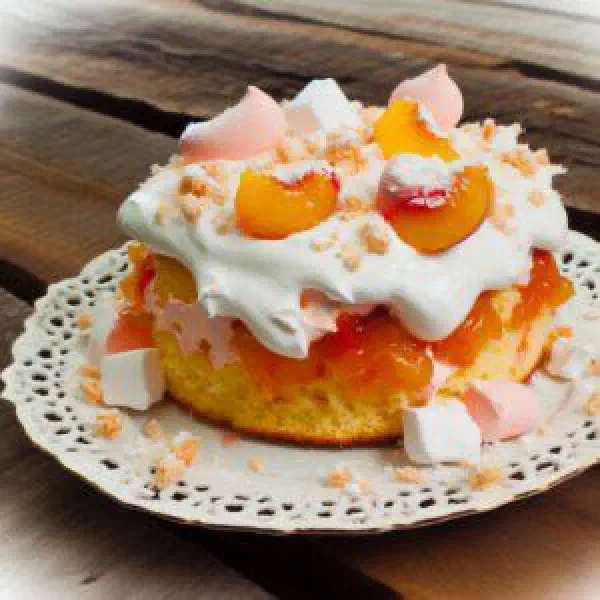
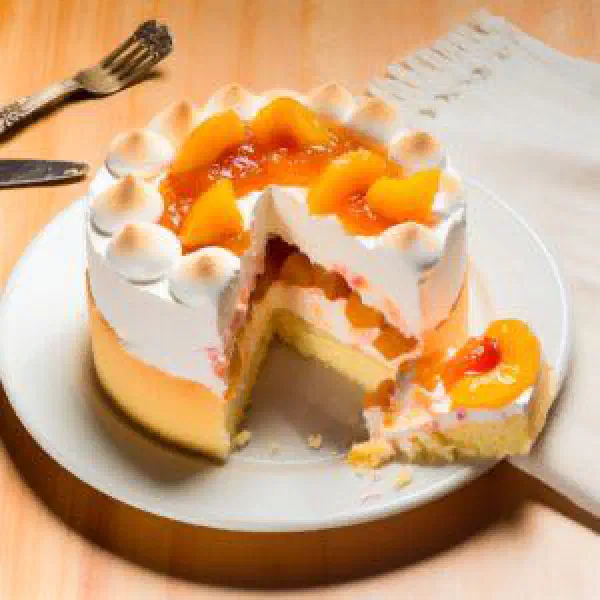
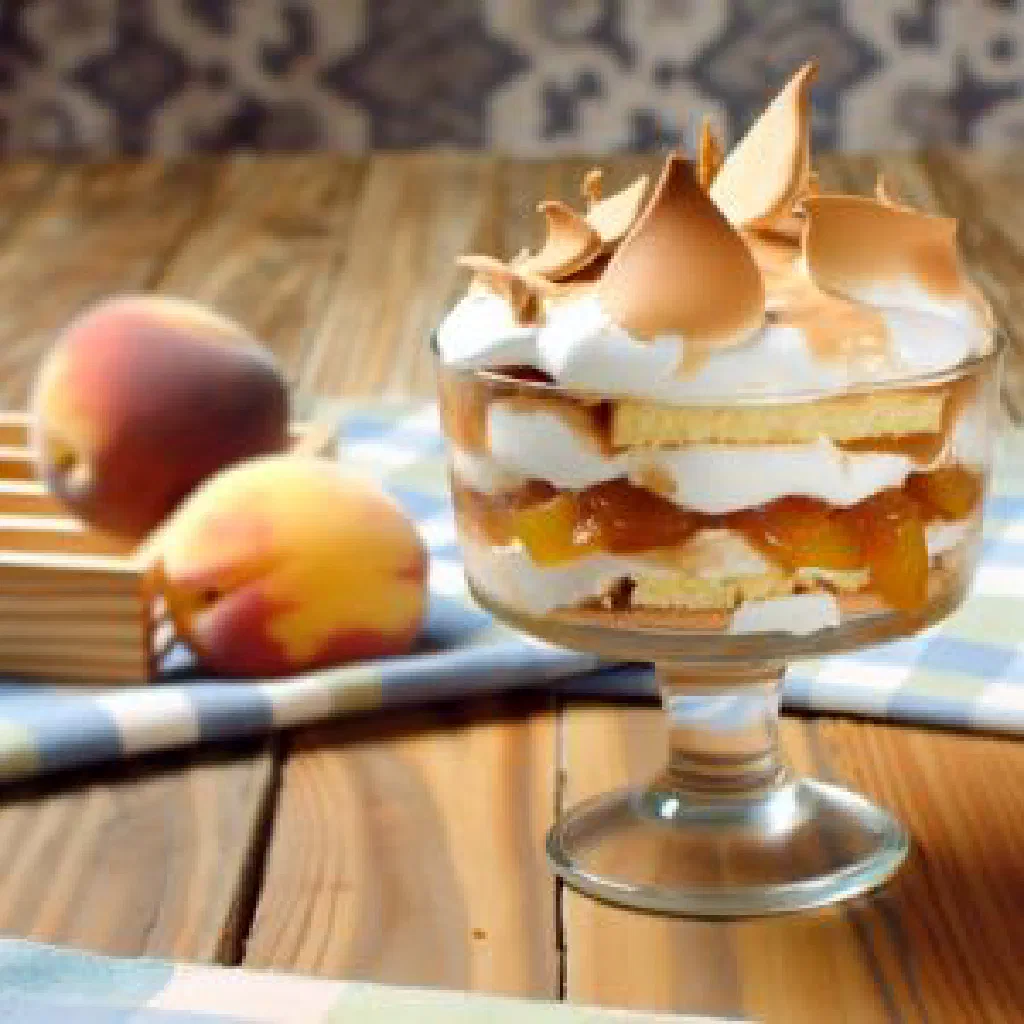
Few sweets capture the spirit of Uruguay quite like Chajá de Paysandú, a cloud-light dessert born in the riverside city of Paysandú. Built from layers of airy sponge, crisp meringue, billowing cream and juicy fruit, it is the sort of pudding that feels celebratory yet refreshingly easy to love. On a warm afternoon, a chilled slice is pure indulgence — a true icon of the country’s patisserie tradition.
About Chajá de Paysandú
Chajá is a genuine masterpiece of Uruguayan patisserie. This delightful dessert originated in the city of Paysandú and quickly grew into a symbol of the national kitchen. Its main components are light sponge cake layers, delicate meringue and a creamy filling, usually made from whipped cream and fresh fruit such as peaches or pineapple. The interplay of contrasting textures and flavours makes it a wonderfully refreshing treat, especially welcome on warm days.
Ingredients (serves 1–2)
- 2 sponge cake bases
- 100 g sugar
- 3 egg whites
- 200 ml whipping cream
- 1 tin of peaches or pineapple
- Vanilla extract (to taste)
Shopping for the ingredients
To make a delicious Chajá, it is important to choose the right ingredients. Visit local markets or supermarkets to pick up fresh peaches or pineapple if you prefer to use fresh fruit. Be sure to buy good-quality whipping cream for a properly creamy filling. The sponge cake bases should also be fresh — either home-baked or shop-bought — to guarantee the best possible flavour.
Preparing the dish
Preparing Chajá takes a little patience, but the effort is well worth it. Begin by making the meringue, which is one of the dessert’s defining components. Make sure your work surface is clean and grease-free, as any trace of fat can affect how stiffly the egg whites whip up. Prepare the fruit filling by cutting your chosen fruit into small pieces for an even flavour throughout.
Step-by-step instructions
- Cut the peaches (or apples) into small pieces and set aside.
- Whisk the egg whites to stiff peaks in a clean bowl using a mixer.
- Add the sugar slowly and keep whisking until the mixture turns glossy.
- Spread the meringue onto a baking tray and dry it out in the oven at 100 °C.
- Whip the cream until stiff and gently fold in the fresh fruit.
- Layer the sponge base, meringue and the fruit-and-cream mixture alternately.
- Finish with a further layer of meringue and chill thoroughly before serving.
Gluten-free / lactose-free version
A gluten-free or lactose-free version of Chajá is entirely possible and can be just as tasty. Replace the traditional sponge bases with gluten-free options made from almond or coconut flour. For the cream filling, swap the usual whipping cream for plant-based alternatives such as coconut cream or almond milk. That way the dessert stays enjoyable even for those with food intolerances.
Tips for vegans and vegetarians
For a vegan version of Chajá, use aquafaba in place of egg whites to make the meringue. This chickpea liquid works especially well when whipped properly. Instead of whipping cream, a plant-based cream does the job nicely here too. Take care that all the ingredients are free of animal products so the dessert suits your dietary preferences.
More tips and tricks
To make your Chajá even more flavourful, work extra aromas such as cinnamon or nutmeg into the cream filling. Combining several different fruits — mango or strawberries, for instance — can create unique flavour profiles. Be sure to chill the dessert well before serving so the flavours have time to mingle. Decorate it with fresh fruit for an appealing presentation, much as you might a Strawberry Tart.
Adapting the recipe to your taste
Chajá is easy to tailor to personal preference. Experiment with different fruits or fillings, for example by adding chocolate chips or nuts. For a richer variation you can also stir in some quark. This versatility makes the dessert adaptable to all kinds of occasions and tastes.
Ingredient substitutions
If you do not have certain ingredients to hand, there are plenty of alternatives. Use yoghurt instead of cream, for example, if you prefer a lighter version. The sponge bases can be replaced with fresh layers of puff pastry for a completely new structure. The sugar, meanwhile, can be swapped for honey or agave syrup to achieve a more wholesome sweetness — a tip that also pays off when making a Peach Tart.
Drink pairing ideas
Chajá pairs beautifully with a variety of drinks that complement the dessert’s flavours. Serve it with a cup of strong coffee or a fruity tea to balance the sweetness. For a festive touch, a sweet white wine or a glass of prosecco works wonderfully. These drinks lend an elegant flair to your dessert evening.
Serving and presentation ideas
Presentation can be decisive in how the dessert is received. Use clear glasses to show off the different layers, and garnish the top with fresh fruit or edible flowers. A nicely decorated cake stand can also help dress up the Chajá. By arranging the ingredients with care, you can present a real feast on the table — the kind of centrepiece worthy of a slice of Dulce de Leche Cake.
A bit of history
Chajá has an interesting history closely bound up with the culture of Uruguay. Named after the chajá bird, the dessert is a symbol of the simplicity and beauty of Uruguayan cuisine. Its many layers represent the diverse influences that have found a place in Uruguayan patisserie over the years. Today it is served on special occasions such as birthday parties and festive celebrations.
More recipe ideas
Summary: Chajá de Paysandú
In short, Chajá is not only a delicious dessert but also a piece of culinary history captured in a single cake. Its combination of varied textures and flavours makes it a firm favourite with many. Whether for festive occasions or simply for the pleasure of it, Chajá de Paysandú has something to offer every palate. Discover the versatility of this dessert and let its history and flavour work their magic on you.