National Dish Uruguay: Fainá (Recipe)
In this article
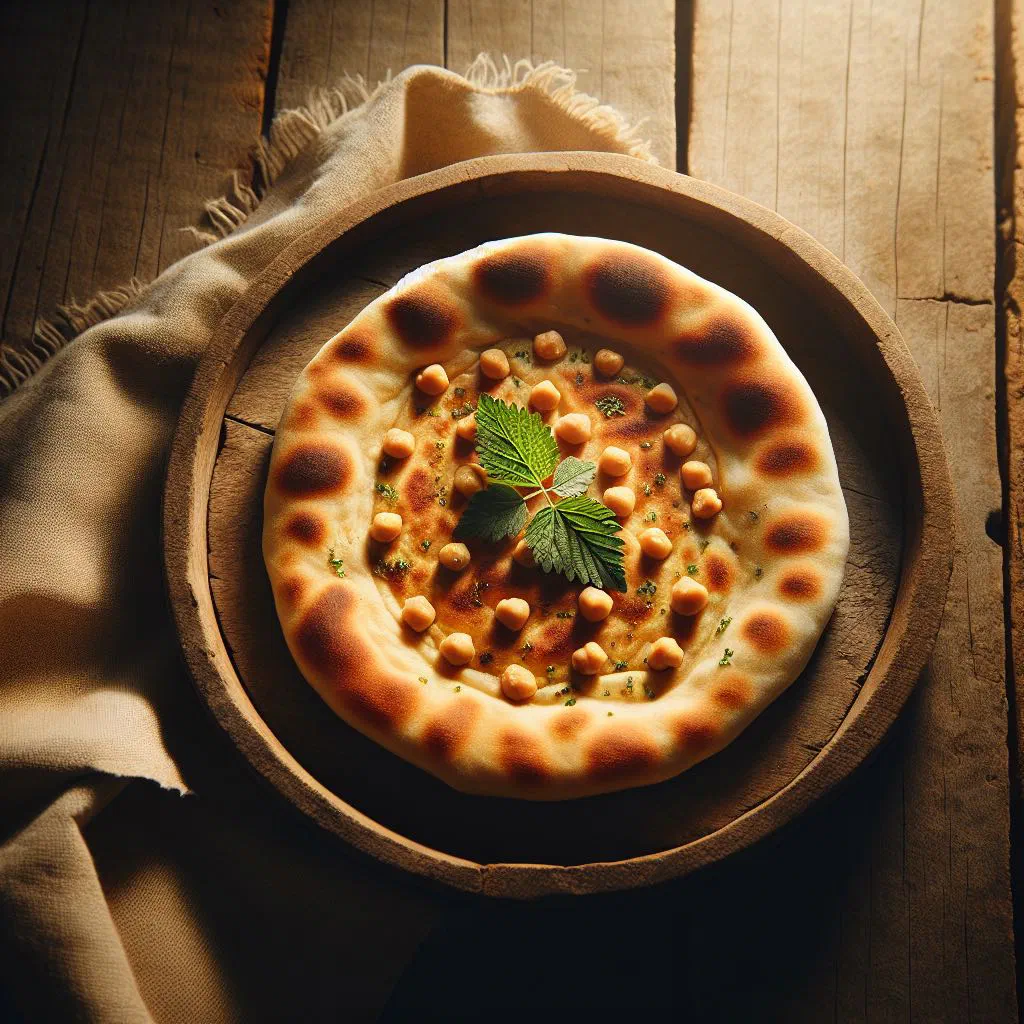
Discover Fainá, one of Uruguay’s best-kept culinary secrets. This thin, golden chickpea flatbread delivers a wonderfully nutty flavour and a satisfyingly crisp edge, all from the simplest of pantry ingredients. Traditionally enjoyed perched on top of a slice of pizza, it works equally well as a snack, a starter or a side. Let the warmth of Italian-Uruguayan home cooking inspire your next bake.
About Fainá
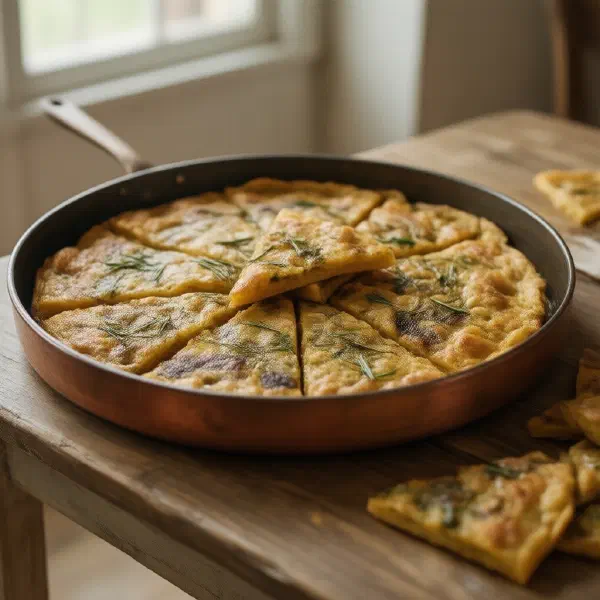
Fainá is a delicious and traditional dish from Uruguay, most often enjoyed alongside pizza. It is a thin chickpea batter baked in the oven until golden brown, with a deep, savoury nuttiness that sets it apart. Frequently served as a snack or appetiser, it has become a firm favourite thanks to its honest, comforting character. The preparation could hardly be simpler, and it lends itself to plenty of variations to suit every palate.
Ingredients (serves 1–2)
- 200 g chickpea flour
- 300 ml water
- 50 ml olive oil
- 1 teaspoon salt
- 1/2 teaspoon ground black pepper
- Optional: fresh herbs such as rosemary or thyme
Shopping for the ingredients
Choosing the right chickpea flour matters, as it shapes the flavour of the whole dish. Many health-food shops and larger supermarkets stock it, and it is also easy to order online. Fresh herbs are worth picking up to lend the bread an aromatic lift, and a good-quality olive oil provides a balanced, fruity base that is essential to the finished result.
Preparing the dish
Before you start making fainá, gather all your ingredients and ready your baking tin. A round tin works best to achieve the classic shape. Grease it evenly with olive oil so the batter does not stick and forms a crisp crust as it bakes. It is also a good idea to preheat the oven to 220 °C before you mix everything together, so it is hot and ready when the batter goes in.
Step-by-step instructions
- In a bowl, whisk together the chickpea flour, water, olive oil, salt and pepper until you have a smooth batter.
- If you like, chop some fresh herbs and stir them through for extra flavour.
- Pour the finished batter into the prepared baking tin and spread it out evenly.
- Bake in the preheated oven for around 20–25 minutes, until the surface is golden brown.
- Once baked, remove the fainá from the oven, let it cool slightly, then cut into pieces and serve.
Gluten-free / lactose-free version
Fainá is naturally gluten-free, as it is made from nothing but chickpea flour. It contains no dairy either, making it an ideal choice for anyone who is lactose intolerant. You can adapt the recipe further if you wish to add other ingredients or toppings. Just take care that any additions are also gluten-free and lactose-free, so the dish stays suitable for everyone at the table.
Tips for vegans and vegetarians
For vegans, fainá is a brilliant option, as the recipe contains no animal products whatsoever, and it is just as welcome on a vegetarian menu. To boost the nutritional value, you can fold vegetables such as spinach or courgette through the batter, much like a hearty Spinach Tortilla. Experiment with different herbs and spices to vary and deepen the flavour as you please.
More tips and tricks
To bake the perfect fainá, it is important to prepare the tin well and bring the oven up to the right temperature. Make sure the batter is mixed thoroughly to avoid any lumps. If you want a particularly crisp crust, nudge the temperature up a little in the final minutes of baking, but keep a close eye on it to prevent burning. A short rest after baking helps the slices firm up before serving.
Adapting the recipe to your taste
The fainá recipe is wonderfully adaptable and easy to tailor to your own preferences. If you like things spicier, add more pepper or even a touch of chilli. Different herbs and spices can be worked into the batter to give the bread an individual character.
Ingredient substitutions
If you do not have chickpea flour to hand, you can turn to other gluten-free flours such as almond or rice flour. For a gluten-free diet you might even use a blend of different flours, in the same spirit as a Chickpea Salad makes the most of the humble pulse. Bear in mind that you may need to adjust the amount of water, as binding properties vary, experiment to find the combination you like best.
Drink pairing ideas
A range of drinks pairs nicely with fainá. Classically, a hearty red wine works beautifully, as it underlines the nutty flavour of the chickpeas. For an alcohol-free option, a fresh fruit juice or homemade iced tea harmonises well with the flavours. Sparkling water with a squeeze of lemon is another refreshing accompaniment that cuts through the richness of the olive oil.
Serving and presentation ideas
To present fainá attractively, arrange the pieces on a large platter and garnish with fresh herbs. A few drops of good-quality olive oil or a little balsamic over the top add both colour and flavour. A side of freshly sliced vegetables or a crisp salad such as a Caprese Salad rounds things off nicely. Be sure to serve the dish warm, when it is at its very best.
A bit of history
Fainá has its roots in Italian cookery and was brought to Uruguay by immigrants. By many accounts it had already become popular in the 19th century and has been a fixture of local dining ever since. It is often served together with Pizza Margherita, a pairing so beloved it has become an eating habit found in countless Uruguayan homes. Fainá embodies the simple yet flavourful spirit of Uruguayan cuisine that is so typical of the region.
More recipe ideas
Summary: Fainá
Fainá is a simple, gluten-free and vegan-friendly dish that works perfectly as a side or a snack. The preparation is straightforward, and the flavours can easily be adjusted to suit your own tastes. With its delicious, nutty character and its many variations, fainá offers a wonderful way to dive into Uruguayan cooking. Give it a try and enjoy this traditional dish in good company.