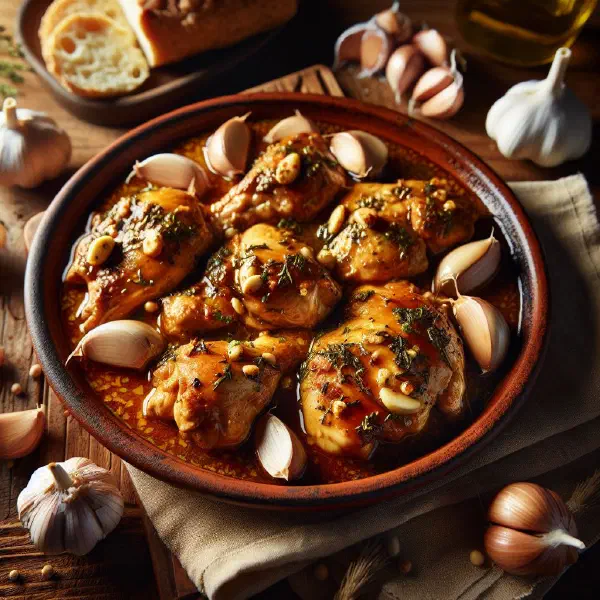
National Dish Uruguay: Lengua a la Vinagreta (Recipe)

In this article
Meet Lengua a la Vinagreta, a true gem of Uruguayan cooking. Tender beef tongue is gently simmered until meltingly soft, then sliced and bathed in a bright, tangy vinaigrette laced with fresh herbs. The result is a refreshing yet deeply savoury plate that feels equally at home at a celebratory table or as a relaxed weekend lunch. With its clever balance of richness and acidity, this is a dish that rewards a little patience with a great deal of flavour.
About Lengua a la Vinagreta
Lengua a la Vinagreta is a genuine highlight of South American cuisine and a proud staple of Uruguay’s national table. At its heart is tender, well-seasoned beef tongue, served cold in a refreshing vinaigrette that lets the flavours harmonise beautifully. The combination delivers a real treat for the palate, equally suited to a festive spread or an everyday meal. Thanks to the use of fresh ingredients and aromatic seasonings, the dish takes on an exciting depth that makes it utterly distinctive.
Ingredients (serves 1–2)
- 1 beef tongue (approx. 500–600 g)
- 1 large onion
- 2 carrots
- 1 bay leaf
- 3 tablespoons olive oil
- 2 tablespoons vinegar (e.g. cider vinegar)
- Salt and pepper, to taste
- 1 teaspoon mustard
- Fresh herbs (e.g. parsley or dill)
Shopping for the ingredients
To prepare an authentic Lengua a la Vinagreta, it is important to choose good-quality meat. Visit your local butcher and ask for the best beef tongue available. While you are shopping, look out for fresh herbs and a good-quality vinegar, both of which lend the tongue a welcome brightness. Pay particular attention to the vinegar, as it has a significant impact on the overall flavour of the dish.
Preparing the dish
Before you start cooking, prepare all the ingredients well. The beef tongue needs to be rinsed thoroughly and, if necessary, trimmed of any membrane or fat. Cut the onion and carrots into rough chunks so they release their flavour more readily during cooking. The key is to have everything to hand, which ensures a smooth, unhurried cooking process from start to finish.
Step-by-step instructions
- Bring the beef tongue to the boil in a pan with plenty of water, the chopped onion, the carrots and the bay leaf.
- Let the tongue simmer gently for around 2 to 3 hours, until it is tender.
- Lift the tongue out of the water and leave it to cool, then peel away the skin.
- For the vinaigrette, whisk together the olive oil, vinegar, mustard, salt and pepper in a bowl.
- Slice the tongue and marinate it in the vinaigrette, adding fresh herbs to taste.
- Leave the dish to rest in the fridge for at least 30 minutes so the flavours can develop fully.
- Taste and adjust the seasoning before serving, either cold or at room temperature.
Gluten-free / lactose-free version
The recipe for Lengua a la Vinagreta is naturally gluten-free and lactose-free, as it contains no ingredients that carry those components. This makes it an excellent choice for anyone with relevant intolerances. Do take care that all the ingredients you use, the vinaigrette in particular, are likewise gluten-free and lactose-free. If you opt for a ready-made vinaigrette, check the label carefully for any hidden additives.
Tips for vegans and vegetarians
Although Lengua a la Vinagreta is a beef dish, you can recreate its flavours in a vegan version. Instead of meat, use blanched vegetables such as carrots or cauliflower, which can then be marinated in the very same vinaigrette. This variation is lighter and a wonderful way to make the most of seasonal produce. Experiment with different vegetables to come up with your own plant-based twist.
More tips and tricks
An important tip for making Lengua a la Vinagreta is to simmer the beef tongue for long enough so that it turns out tender and full of flavour. The longer it cooks, the better the texture becomes. Let the vinaigrette rest for a few hours before using it, so the aromas have time to mingle. If you make the dish ahead, the flavours can deepen even further overnight in the fridge.
Adapting the recipe to your taste
The beauty of Lengua a la Vinagreta is that the recipe can be tailored to suit you. Experiment with different vinegars to find your own favourite balance, balsamic or a herb-infused vinegar can each give the dish a new dimension. You can also fold in extra ingredients such as peppers or olives for more flavour and texture.
Ingredient substitutions
If you cannot find beef tongue, or simply prefer another cut, lamb or pork can make an interesting alternative. With the vinaigrette, you can stir in extra aromatics such as chilli or garlic for a punchier result. It is also worth experimenting with different oils, such as avocado or grapeseed, to create distinct flavour profiles. Whatever you choose, the quality and freshness of the ingredients should always come first.
Drink pairing ideas
A delicious plate of Lengua a la Vinagreta goes wonderfully with dry white wines or light reds. A Chilean Sauvignon Blanc or a light Malbec are great companions that support the flavours of the dish. For those who prefer something non-alcoholic, a fresh lime and mint iced tea makes a refreshing match. Pair the dish with a lively drink to round off the whole tasting experience.
Serving and presentation ideas
To present Lengua a la Vinagreta attractively, arrange the sliced beef tongue neatly on a plate. Decorate with fresh herbs and a little grilled vegetable, and add a colourful side salad to bring brightness and life to the plate. Use good-quality crockery to signal that this is a truly special dish, every bit as fitting for a celebration as for an everyday meal.
A bit of history
Lengua a la Vinagreta has a long tradition in Uruguay and is a firm fixture of the local kitchen. At festive occasions in particular, it is a symbol of hospitality and good food. Historically, the use of beef tongue can be traced back to European immigration, which brought new recipes and cooking techniques to South America. Today the dish remains hugely popular in homes and restaurants alike, often served at special gatherings, a fine example of Uruguayan cuisine.
More recipe ideas
Summary: Lengua a la Vinagreta
In summary, Lengua a la Vinagreta is a standout dish of Uruguayan cooking, winning hearts with its aromatic vinaigrette and tender beef tongue. With the right preparation, you can create a memorable taste experience that shines on special occasions and on ordinary days alike. Thanks to the many ways it can be made and embellished, everyone can craft their own personal version. Enjoy the flavours of South America and let yourself be inspired.