National Dish Uruguay: Lengua Estofada (Recipe)
In this article
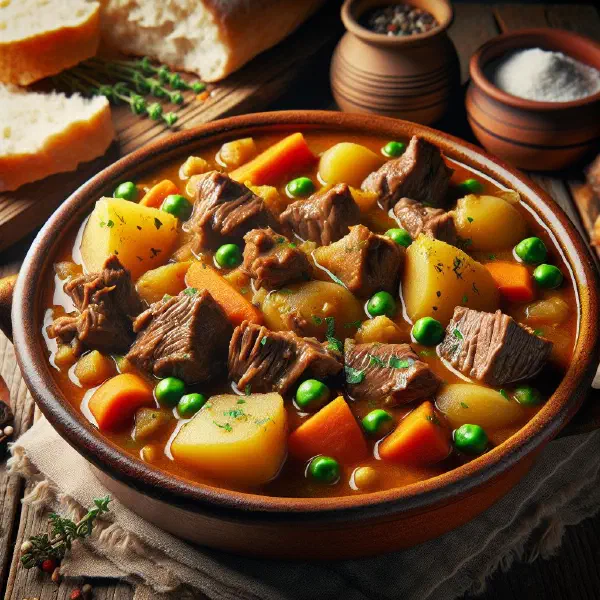
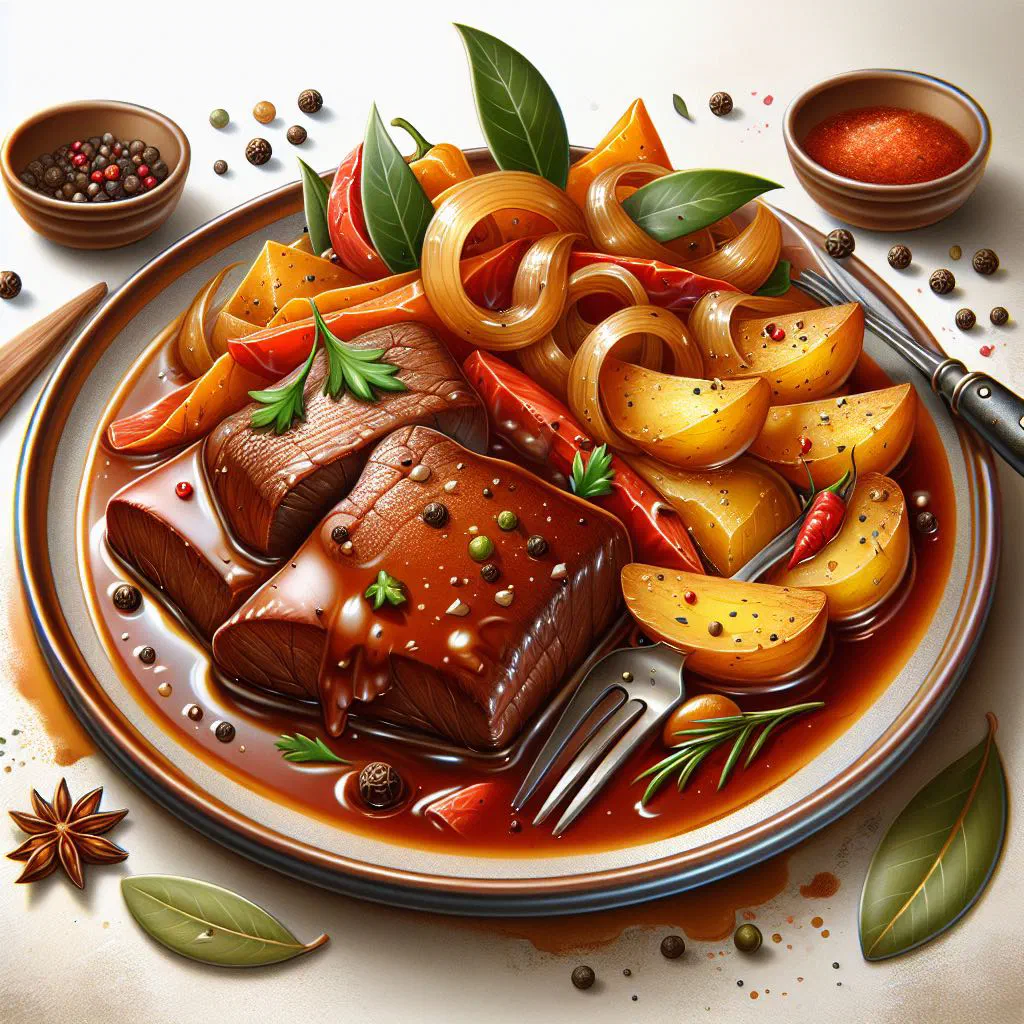
Meet Lengua Estofada, the slow-braised beef tongue that ranks among Uruguay’s most cherished home-cooked classics. Simmered low and slow in a richly seasoned tomato sauce flecked with peppers, carrots and bay, it rewards a little patience with meltingly tender meat and a deep, savoury flavour. It is the kind of hearty main course that feels made for a long Sunday lunch, served alongside rice or potatoes to soak up every last drop of sauce.
About Lengua Estofada
Uruguay is celebrated for its rich, traditional cooking, and Lengua Estofada is a fine example of it. The dish is built around beef tongue, which is gently braised in a hearty sauce enlivened with fresh vegetables and a generous mix of seasonings. The preparation does take some time, but the reward is a wonderfully succulent texture and an intensely savoury flavour. Perfect as a main course, Lengua Estofada pairs beautifully with sides such as rice or potatoes.
Ingredients (serves 1–2)
- 1 beef tongue (approx. 800 g)
- 2 onions, roughly chopped
- 2 carrots, sliced
- 2 cloves garlic, chopped
- 1 pepper, diced
- 1 tin chopped tomatoes
- 2 bay leaves
- 1 teaspoon paprika
- Salt and pepper to taste
- Oil for frying
Shopping for the ingredients
Choosing the right ingredients is key to the success of this dish. It is best to buy the beef tongue from a specialist butcher who offers fresh, high-quality meat. Vegetables such as carrots, onions and peppers should also be fresh, to guarantee the very best flavour. Make the most of local markets or organic shops to ensure the quality of your ingredients.
Preparing the dish
Before you start cooking, give the tongue a thorough clean and bring it to the boil in a large pan of water. This helps improve the texture and makes the meat more tender. It is also wise to prepare the vegetables ahead of time, slicing and arranging them so they are ready to go. Good preparation keeps the cooking process running smoothly and means you have everything to hand.
Step-by-step instructions
- Boil the beef tongue in a pan of water for about 1–2 hours, until tender.
- Lift out the tongue, leave it to cool, then peel away the skin.
- Heat a little oil in a large pan and sauté the onions, carrots and pepper.
- Add the garlic and fry briefly.
- Stir in the chopped tomatoes along with the bay leaves and the paprika.
- Cut the prepared beef tongue into pieces and add it to the sauce.
- Mix everything well, season, and let it simmer over low heat for 30–40 minutes.
Gluten-free / lactose-free version
Lengua Estofada is naturally gluten-free and lactose-free, which makes it suitable for many people. Do take care, however, that any seasonings and added ingredients are also gluten-free, especially if you are using pre-packaged products. The fresh ingredients are both wholesome and full of flavour, and they keep the dish nicely balanced. Enjoy a delicious meal that works for every kind of dietary need.
Tips for vegans and vegetarians
Although Lengua Estofada is traditionally made with beef tongue, vegans and vegetarians can capture similar flavours and textures using plant-based ingredients. Jackfruit makes an excellent stand-in for the tongue, taking on a comparable consistency once cooked. Marinated mushrooms or seitan also offer a tasty variation. Experimenting with seasonings and plant-based ingredients can lead to wonderfully unique dishes.
More tips and tricks
To get the very best result from Lengua Estofada, a few handy tricks help. Marinating the meat overnight with various spices, for instance, adds extra depth of flavour. You might also use a pressure cooker to make the tongue tender more quickly. What is more, the dish often tastes even better the next day, once the flavours have had time to develop and mingle.
Adapting the recipe to your taste
Every meal can be tailored to personal preference. Feel free to swap the vegetables in Lengua Estofada for your favourites, or to add extra seasonings. Consider whether you would like the dish hotter, milder or more aromatic. The joy of cooking is that a little creativity and willingness to experiment can make each version your own.
Ingredient substitutions
If you do not have certain ingredients to hand, there are plenty of alternatives to fall back on. Beef stock in place of water, for example, lends a more intense depth of flavour. The choice of seasonings can vary too; use what you have in the cupboard, whether that is cumin or a few dried herbs. This flexibility makes cooking Lengua Estofada a creative pleasure, much like the gentle baking that turns out a comforting Pumpkin in Syrup.
Drink pairing ideas
To round off the experience of Lengua Estofada, choose drinks that match it well. A robust red wine from Uruguay, such as a Tannat, harmonises beautifully with the dish’s rich flavour. Alternatively, you might serve a refreshing non-alcoholic option such as sparkling water or a homemade lemonade. The right drink can perfectly complement the flavours of the food and complete the picture.
Serving and presentation ideas
Presentation can lift the whole experience. Serve Lengua Estofada in an attractive bowl, garnished with fresh herbs or a squeeze of lime for a splash of colour. Use decorative plates to really make the dish stand out. Take care to arrange the sides attractively too, as the overall look does much to set the mood at the table.
A bit of history
The story of Lengua Estofada is closely tied to Uruguay’s culinary traditions. Beef tongue was a dish popularised by immigrants to South America, whose cooking techniques were woven into the local kitchen. The dish also reflects the influence of European cooking, which blended with native ingredients. The result is a delicious Uruguayan speciality that brings both history and culture together on the plate, a hallmark of Uruguay cuisine.
More recipe ideas
- Pumpkin in Syrup
- Zucchini au Gratin
- Mechado: braised beef with vegetables.
- Asado: the traditional Uruguayan barbecue.
- Empanadas: filled pastry parcels with a variety of fillings.
Summary: Lengua Estofada
In summary, Lengua Estofada is a hearty, traditional Uruguayan dish that appeals to with both its history and its distinctive flavours. Careful preparation and good-quality ingredients combine to create a culinary experience that brings pleasure on special occasions and everyday meals alike. This dish is sure to stay in your memory.