National Dish Uruguay: Pionono (Recipe)

In this article
Discover Pionono, one of Uruguay’s best-loved party dishes! This tender rolled sponge wraps a savoury filling of spiced meat and vegetables into elegant pinwheel slices. Equally at home as a starter or a generous main, it strikes a lovely balance between a soft, airy sponge and a hearty, well-seasoned filling. Whether you are hosting a celebration or simply fancy something special, this recipe brings the warm flavours of Uruguay straight to your table.
About Pionono
Pionono is a traditional dish from Uruguay that works equally well as a starter or as a main course. It is essentially a filled rolled sponge, prepared with a variety of fillings such as meat, vegetables or even fruit. The combination of a tender sponge and savoury or sweet fillings makes pionono a real treat, enjoyed both at festive occasions and as part of everyday meals. Thanks to its endlessly adaptable preparation, pionono suits all kinds of tastes and dietary needs.
Ingredients (serves 1–2)
- 3 large eggs
- 100 g plain flour (or a gluten-free alternative)
- 50 ml milk (or plant-based milk)
- 1 pinch of salt
- Oil or butter, for frying
- For the filling: 100 g minced meat or vegetables
- Optional: 50 g grated cheese or a vegan alternative
Shopping for the ingredients
When shopping for pionono, it is worth choosing quality ingredients to get the best results. Pick up fresh eggs and, where possible, regional vegetables or meat. Most supermarkets also stock special gluten-free flours for those with allergies, which work perfectly for the gluten-free version. If you opt for a plant-based filling, organic vegetables and herbs are ideal for a flavoursome finish.
Preparing the dish
Preparing Pionono is straightforward and takes only a few steps. Start by gathering all your ingredients so the whole process runs smoothly. Good groundwork is key here, as the sponge needs to be cooked fairly quickly to reach the right consistency. Make sure your fillings — whether savoury or sweet — are well seasoned and ready to go, so the dish delivers the best possible flavour.
Step-by-step instructions
- Crack the eggs into a bowl and whisk them vigorously.
- Gradually stir in the flour, milk and salt until you have a smooth batter.
- Heat a non-stick pan and grease it with a little oil or butter.
- Pour in a ladle of batter and spread it evenly to form a thin sponge layer.
- Cook for about 2–3 minutes on each side, until lightly golden.
- Lift the finished sponge onto a plate and keep it warm while you cook the rest.
- Spread the filling over the sponge, roll it up and arrange to serve.
Gluten-free / lactose-free version
For a gluten-free version, simply use a gluten-free flour suited to baking, and check that all your other ingredients are gluten-free too. For a lactose-free option, swap the milk for a plant-based alternative such as almond or soya milk. These small adjustments let you tailor the dish to your own dietary needs without sacrificing flavour.
Tips for vegans and vegetarians
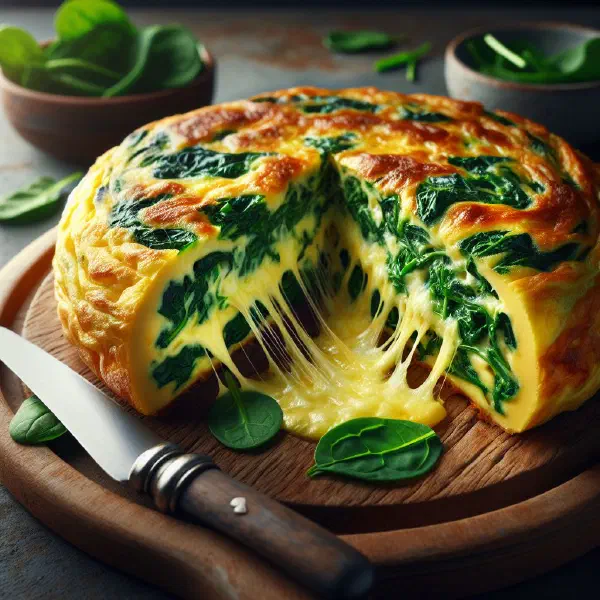
Pionono lends itself beautifully to a vegan or vegetarian version. For the filling, use a range of vegetables such as courgette, spinach or mushrooms. Pulses or tofu also make excellent stand-ins for meat. To keep things creamy without any animal products, reach for a vegan cheese alternative — much like the cheesy comfort of Zucchini au Gratin.
More tips and tricks
There are plenty of little tricks to make your Pionono even better. A pinch of nutmeg in the batter adds a surprising depth of flavour. For an even tastier result, briefly sauté the filling before rolling. Baking the rolls in the oven gives them a crisp crust and a richer filling. Experiment with different herbs and spices to put your own personal stamp on the dish.
Adapting the recipe to your taste
One of the great joys of Pionono is how flexible it is. You can shape the filling entirely around your personal preferences. Like it spicy? Add chilli or a dash of hot sauce. Fancy a sweet version? Fill the pionono with a mix of fruit and nuts. The possibilities are almost endless, so you can keep creating new flavour combinations every time.
Ingredient substitutions
If you find yourself missing a particular ingredient, there are usually plenty of alternatives. In place of eggs, you can use apple purée or mashed banana to bind the batter. If you have no cheese to hand, hummus or puréed vegetables can add a creamy texture to the filling. Many recipes are designed to be easily adapted without losing their essential character.
Drink pairing ideas
The right drink rounds off the Pionono experience perfectly. Try it with a fruity wine or a refreshing spritz. Non-alcoholic options work just as well — a homemade iced tea or a fruity mocktail are lovely choices. Aim for a drink that complements the flavours of the dish and ties the meal together.
Serving and presentation ideas
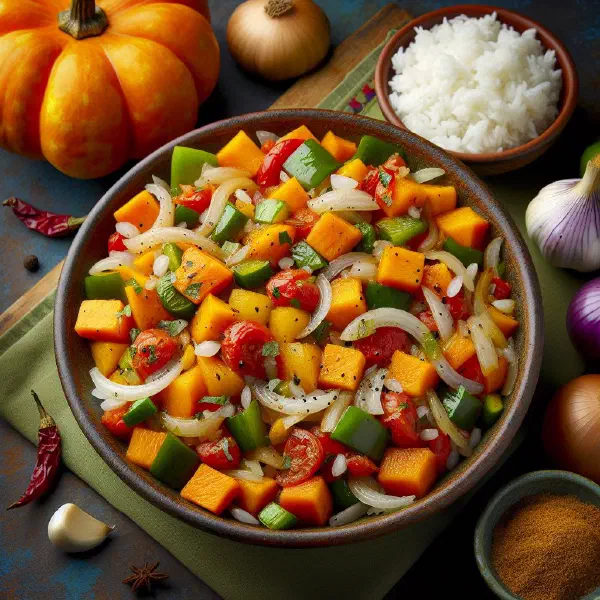
Presentation can make a real difference to your Pionono. Serve the rolled slices on an attractive plate, garnished with fresh parsley or basil. You might add a fruit salad or a light, healthy salad on the side. For a sweet finishing touch, a spoonful of Pumpkin in Syrup makes a colourful accompaniment. A thoughtful presentation sparks curiosity and turns the meal into something memorable.
A bit of history
Pionono has its roots in South American cooking, shaped by both European and indigenous influences. The dish is often linked to celebrations and festive gatherings, and it has taken on many regional variations across different countries. The Uruguayan version is especially known for its savoury fillings and the interplay of sweet and savoury flavours. Over the years, the traditional preparation has been reinterpreted time and again, and today you will find no shortage of creative takes within Uruguayan cuisine.
More recipe ideas
Summary: Pionono
Pionono is far more than a simple snack; it is a culinary discovery with a firm place in Uruguayan cooking. Its versatility and straightforward preparation make it an ideal choice for any occasion. Whether savoury or sweet, the fillings can be balanced and varied to suit every palate. With this recipe you can enjoy a delicious taste of Uruguay that reflects the character of your own cooking style.